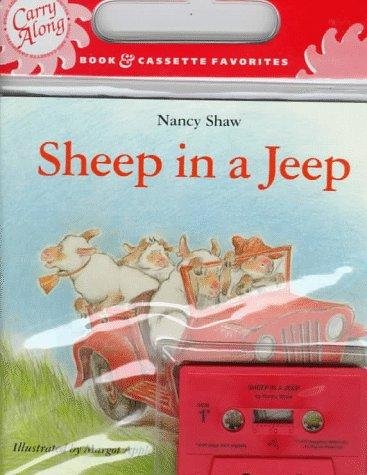
Sheep in a jeep
Picture book · ages 3–7 · grades K–2 · 420L · 1991
Pure slapstick absurdity—sheep in a jeep careen downhill with predictable, hilarious results; the rhyming text and rollicking pacing make it a read-aloud favorite.
For a reader who just finished
after Spring Stinks by Ryan T. Higgins · ages 4–8
Picture book · grades K–3 · 450L
Pure visual comedy that relies on the illustrations to carry the joke; it’s a palate cleanser for kids who need a break from 'serious' picture books.
Same style
Picture book · ages 3–7 · grades K–2 · 420L · 1991
Pure slapstick absurdity—sheep in a jeep careen downhill with predictable, hilarious results; the rhyming text and rollicking pacing make it a read-aloud favorite.
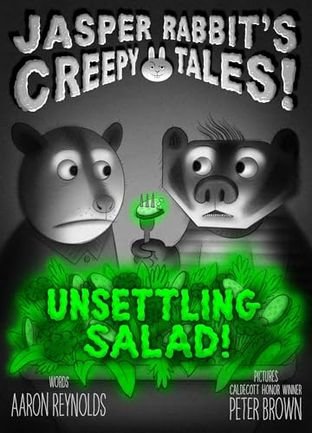
Picture book · ages 3–7 · grades K–2 · 420L
Aaron Reynolds doing what he does best—anthropomorphic vegetables in absurd situations with rhythm-driven silliness that lands better read aloud than on the page.
by Juliet Kepes
Picture book · ages 2–5 · grade K · 1952
A 1952 classic of pure chaos and repetition — toddlers love the predictable mayhem, but the illustrations haven't aged as charmingly as Goodnight Moon.
Stretch them up
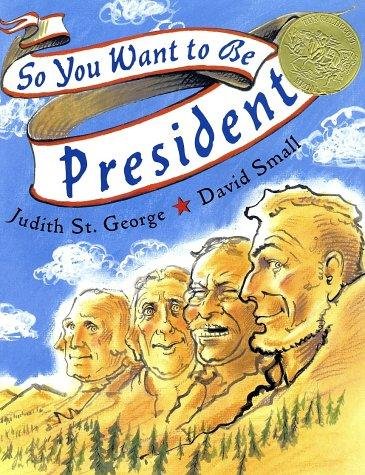
by David Small
Picture book · ages 4–8 · grades K–3 · 620L · 2000
A Caldecott winner that makes U.S. history genuinely funny — kids laugh at the absurdity while absorbing real facts about presidents in a format that's pure delight to reread.
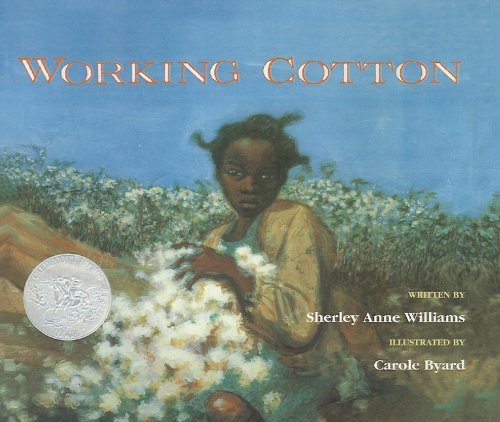
by Carole Byard
Picture book · ages 6–10 · grades 1–5 · 620L · 1997
Unflinching, lyrical, and told in the protagonist's own voice — this is the rare picture book that doesn't sentimentalize poverty but doesn't rob children of it either, and Carole Byard's collage art is extraordinary.
by Leo Politi
Picture book · ages 4–8 · grades K–3 · 620L · 1999
A 1946 Newbery winner that holds up: lyrical, culturally grounded, and teaches patient observation without preaching—the swallows are a genuine draw, not a metaphor.
Complementing on naming feelings
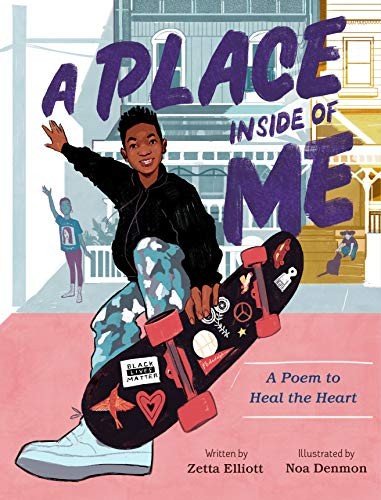
by Noa Denmon
Picture book · ages 4–8 · grades K–3 · 480L
A stunning emotional architecture book — the metaphor of internal rooms for different feelings sticks with kids long after the read, and the illustrations make abstract emotions concrete without sentimentalizing them.
Verse novel · ages 6–10 · grades 1–5 · 520L · 1998
A masterwork of bilingual wordplay that reads aloud with infectious energy—kids feel seen in the code-switching, and the poems actively teach that two languages in one mind is a superpower, not a problem.
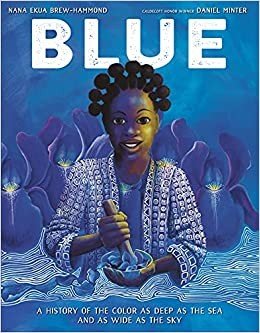
Picture book · ages 4–8 · grades K–3 · 550L · 2022
A lyrical and visually stunning way to teach cultural heritage without it feeling like a lecture; the 'blue' motif is clever enough for older kids but accessible for toddlers.
We'd skip — for now
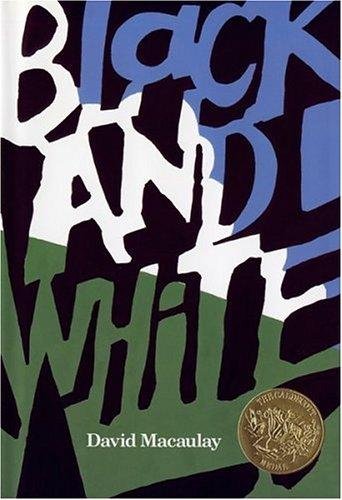
by David Macaulay
A step up — ages 8–12 · grades 3–7
Skip it if your child finds open-ended narratives frustrating or needs explicit narrative closure; the ambiguity is the point.