For a reader who just finished
Books like Sing Mother Goose
after Sing Mother Goose by Marjorie Torrey · ages 2–5
Same style
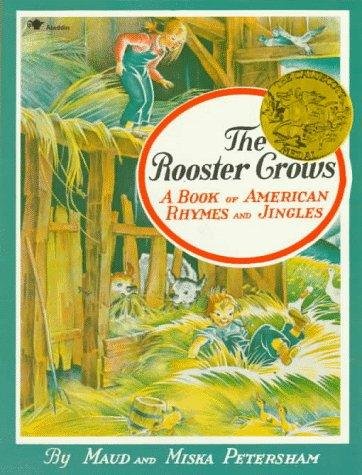
by Maud and Miska Petersham
Picture book · ages 3–7 · grades K–2
A 1945 Caldecott winner that holds up — pure onomatopoeia and regional American animal sounds, illustrated with warmth; kids love the repetition and the Petershams' art rewards close looking.
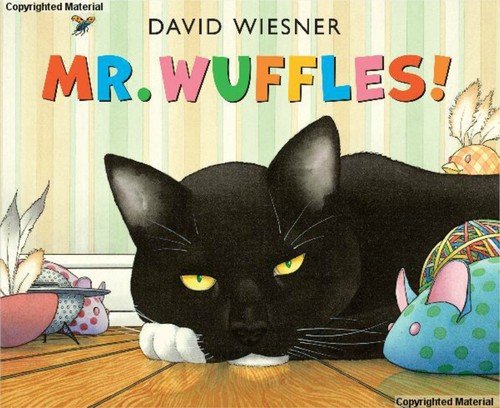
by David Wiesner
Picture book · ages 3–7 · grades K–2
A wordless Caldecott winner where you need to track three simultaneous stories and their collision; kids love the puzzle, and the visual storytelling is genuinely sophisticated without being didactic.
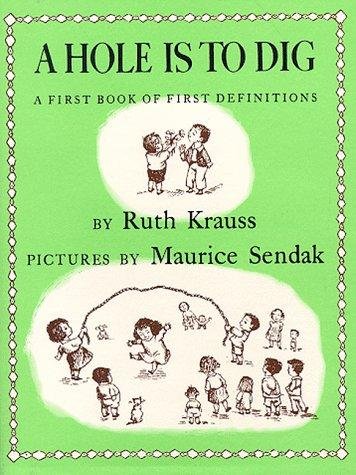
by Ruth Krauss
Picture book · ages 3–7 · grades K–2
A 1950s marvel that still lands—pure linguistic play where each page feels like a small joke the child gets to own, and parents rediscover why metaphor matters.
Stretch them up
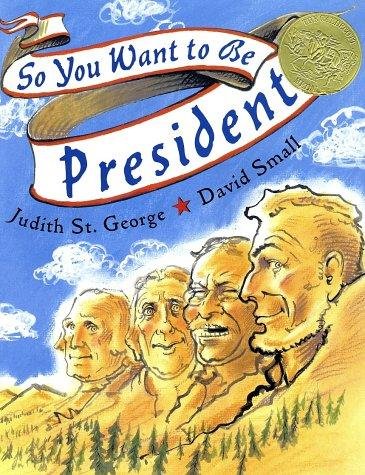
by David Small
Picture book · ages 4–8 · grades K–3 · 620L
A Caldecott winner that makes U.S. history genuinely funny — kids laugh at the absurdity while absorbing real facts about presidents in a format that's pure delight to reread.
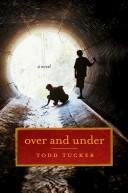
by Todd Tucker
Picture book · ages 4–8 · grades K–3 · 600L
A quiet masterpiece that teaches observation without a word of didacticism—kids naturally want to lift the flaps and peek, building real naturalist instincts.

by William Steig
Picture book · ages 4–8 · grades K–3 · 620L
A quietly haunting picture book that handles loss and separation without melodrama — the magic pebble is just a frame for the real story about wanting to come home.
Complementing on language play
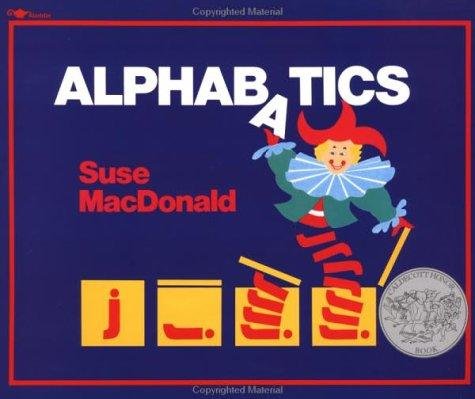
by Suse MacDonald
Picture book · ages 2–5 · grade K
The die-cut concept is genuinely inventive and holds toddlers' and preschoolers' attention across multiple rereadings — alphabet books rarely deserve 5, but this one earns it through craft alone.
by Maud and Miska Petersham
Picture book · ages 3–7 · grades K–2
A 1945 Caldecott winner that holds up — pure onomatopoeia and regional American animal sounds, illustrated with warmth; kids love the repetition and the Petershams' art rewards close looking.
by Francisco X. Alarcón
Picture book · ages 4–8 · grades K–3 · 520L
A bilingual poetry gem that makes Spanish sound joyful and alive — the wordplay lands for kids who don't yet read fluently, and parents who speak Spanish get a beloved author back.
We'd skip — for now
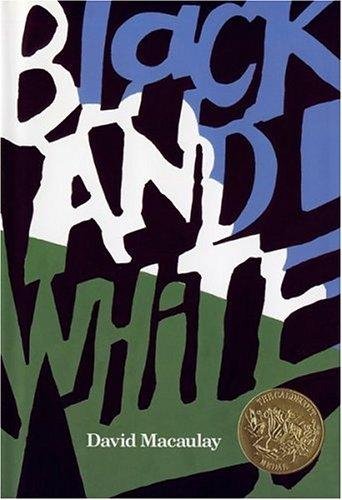
by David Macaulay
A step up — ages 8–12 · grades 3–7
Skip it if your child finds open-ended narratives frustrating or needs explicit narrative closure; the ambiguity is the point.
