For a reader who just finished
Books like Mr. Wuffles!
after Mr. Wuffles! by David Wiesner · ages 3–7
Same style
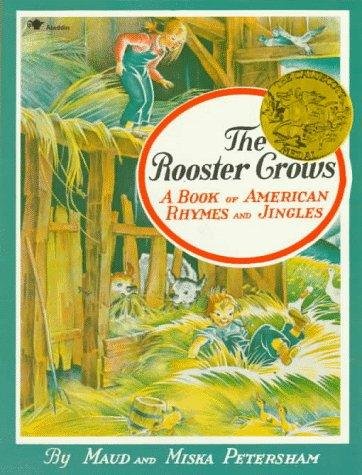
by Maud and Miska Petersham
Picture book · ages 3–7 · grades K–2
A 1945 Caldecott winner that holds up — pure onomatopoeia and regional American animal sounds, illustrated with warmth; kids love the repetition and the Petershams' art rewards close looking.
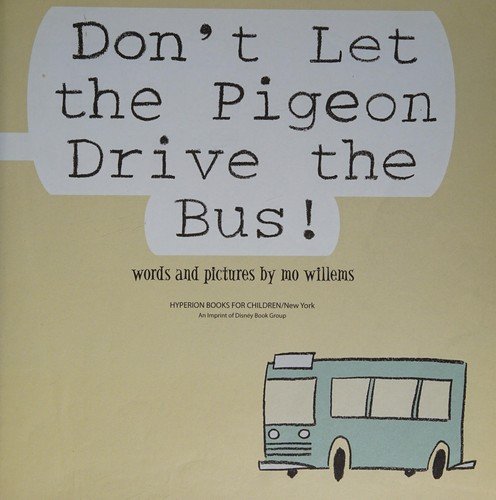
by Mo Willems
Picture book · ages 2–5 · grade K · 250L
Willems' breakthrough: a picture book that treats the reader as protagonist and makes refusal feel like victory—endlessly rereadable because kids *want* to say no.
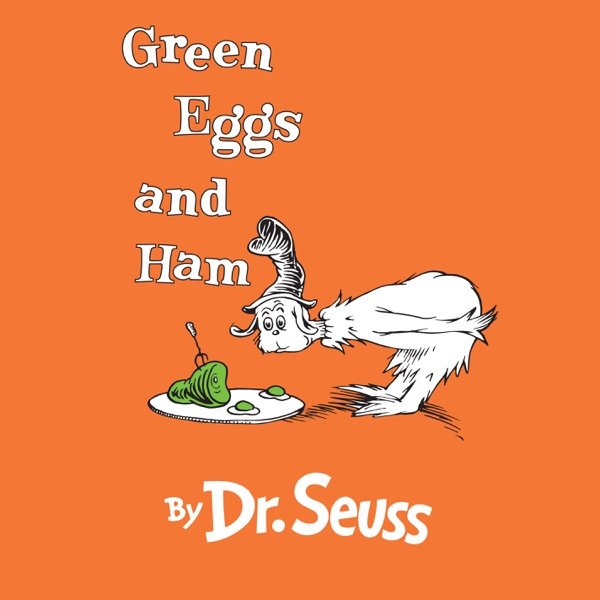
by Dr. Seuss
Picture book · ages 4–8 · grades K–3 · 230L
Pure linguistic play and absurdist humor disguised as a beginner reader—kids love the rhyme and rhythm, parents love the Seussian wordplay and the sly lesson about not judging things before you try them.
Stretch them up
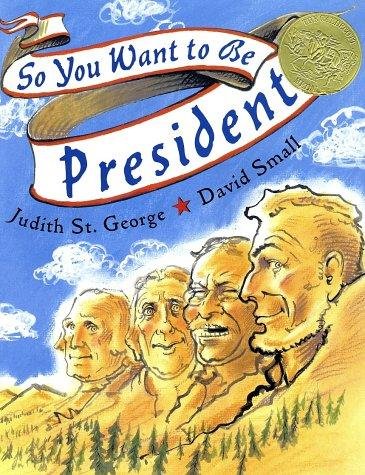
by David Small
Picture book · ages 4–8 · grades K–3 · 620L
A Caldecott winner that makes U.S. history genuinely funny — kids laugh at the absurdity while absorbing real facts about presidents in a format that's pure delight to reread.
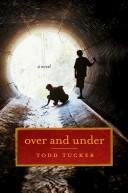
by Todd Tucker
Picture book · ages 4–8 · grades K–3 · 600L
A quiet masterpiece that teaches observation without a word of didacticism—kids naturally want to lift the flaps and peek, building real naturalist instincts.
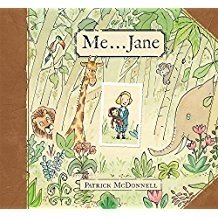
by Patrick McDonnell
Picture book · ages 4–8 · grades K–3 · 620L
McDonnell's watercolor dreaming captures the tender obsession of a girl with animals — this is how most naturalists start, and the book honors that without sentimentality.
Complementing on cause effect
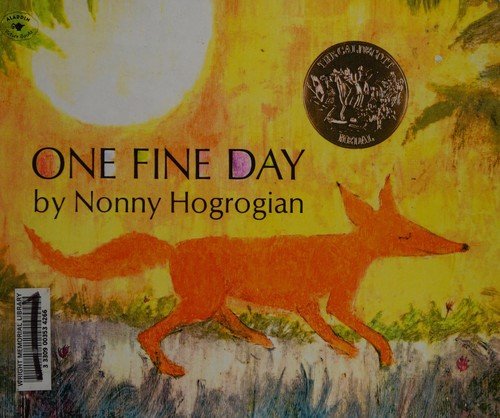
by Nonny Hogrogian
Picture book · ages 4–8 · grades K–3 · 300L
A Caldecott winner that holds up: the circular chain-of-consequence plot is elegant enough to reward rereads, and Hogrogian's folk-art illustrations ground an abstract concept in a lived village.
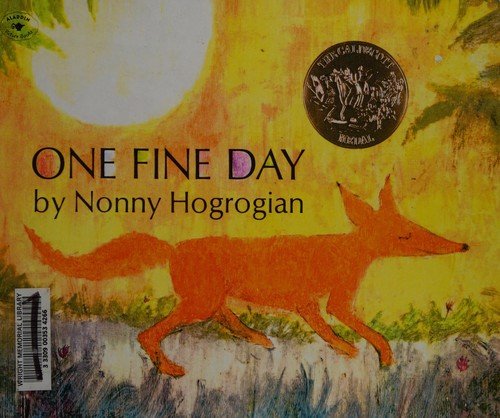
by Nonny Hogrogian
Picture book · ages 4–8 · grades K–3 · 300L
A Caldecott winner that holds up: the circular chain-of-consequence plot is elegant enough to reward rereads, and Hogrogian's folk-art illustrations ground an abstract concept in a lived village.
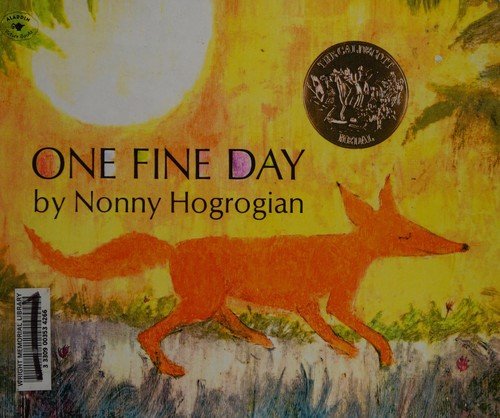
by Nonny Hogrogian
Picture book · ages 4–8 · grades K–3 · 300L
A Caldecott winner that holds up: the circular chain-of-consequence plot is elegant enough to reward rereads, and Hogrogian's folk-art illustrations ground an abstract concept in a lived village.
We'd skip — for now
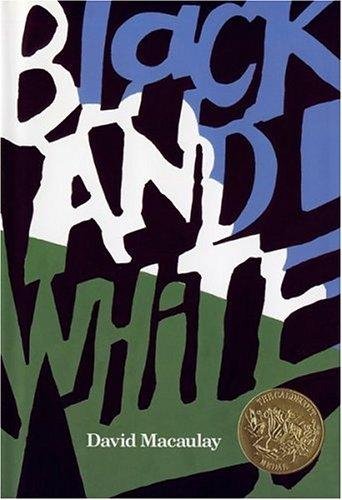
by David Macaulay
A step up — ages 8–12 · grades 3–7
Skip it if your child finds open-ended narratives frustrating or needs explicit narrative closure; the ambiguity is the point.
