For a reader who just finished
Books like RETURN TO SENDER
after RETURN TO SENDER by Vera Brosgol · ages 8–12
Same style
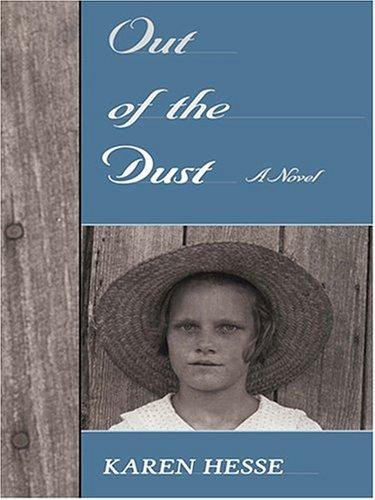
by Karen Hesse
Verse novel · ages 10–14 · grades 5–9 · 750L
A masterpiece of free verse that teaches environmental and economic history through a girl's grief—difficult, achingly human, and the rare middle-grade novel that doesn't soften its subject matter.
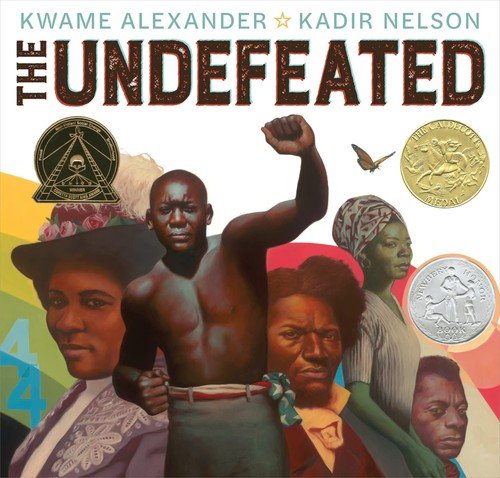
by Kwame Alexander
Verse novel · ages 10–14 · grades 5–9 · 620L
A landmark book that uses verse to make 500 years of Black American history personal and urgent—kids understand their own power within a larger story.
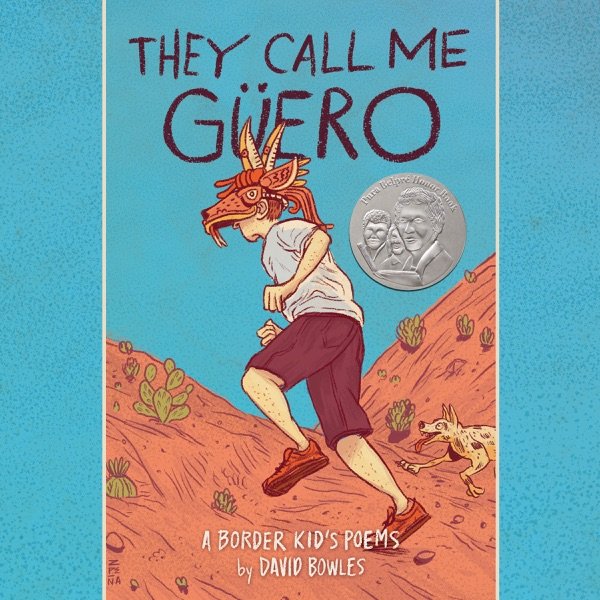
by David Bowles
Verse novel · ages 10–14 · grades 5–9 · 680L
A stunning introduction to colorism and code-switching for kids who are living it and those who aren't — the verse form makes hard truths feel manageable, and Güero's voice is unflinching without being didactic.
Stretch them up
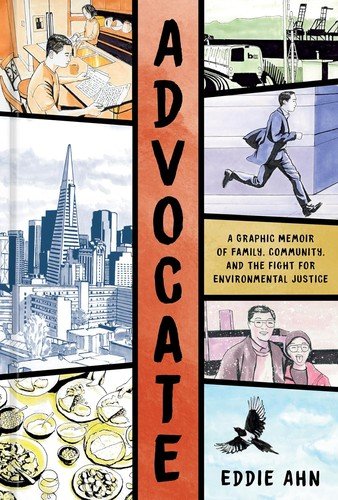
by Eddie Ahn
Graphic novel · ages 10–14 · grades 5–9 · 720L
The first graphic memoir to meaningfully introduce environmental racism and systemic inequality to kids without talking down—Ahn's art and voice make complex justice issues visceral and personal.
Complementing on justice
by Eddie Ahn
Graphic novel · ages 10–14 · grades 5–9 · 720L
The first graphic memoir to meaningfully introduce environmental racism and systemic inequality to kids without talking down—Ahn's art and voice make complex justice issues visceral and personal.
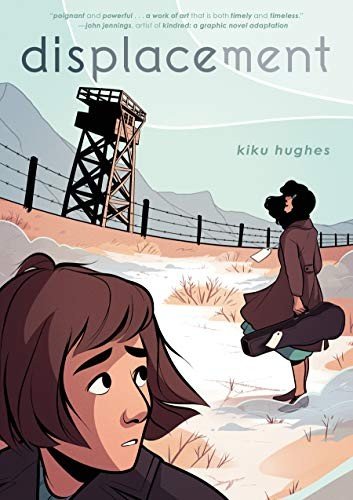
by Kiku Hughes
Graphic novel · ages 10–14 · grades 5–9 · 520L
A stunning graphic novel that makes Japanese American internment visceral and personal—Hughes's art moves fluidly between timelines, and the story refuses easy comfort or distance.
by rowspan="2" |Young Adult Literature
Nonfiction · ages 10–14 · grades 5–9 · 820L
The most accessible entry point to Japanese American internment for kids 10+; Takei's voice is warm and clear, the graphic format makes the history concrete rather than abstract, and it models how to tell hard truths with dignity.
We'd skip — for now
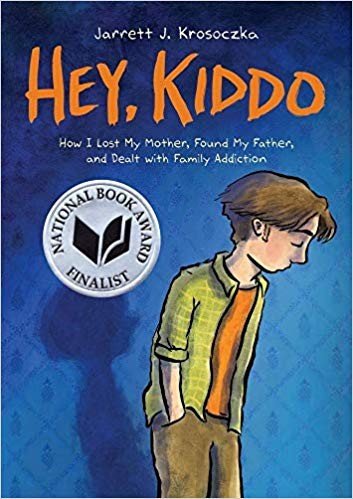
by Jarrett J. Krosoczka
A step up — ages 13–18 · grades 8–12
Skip it if your child has experienced recent trauma involving parental neglect or abuse—the early chapters depict real hardship and may be retraumatizing without support.
