For a reader who just finished
Books like They Call Me Güero
after They Call Me Güero by David Bowles · ages 10–14
Same style
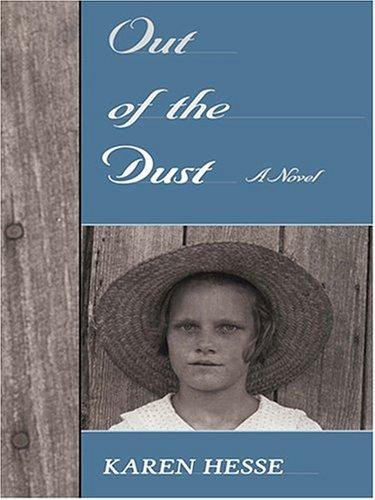
by Karen Hesse
Verse novel · ages 10–14 · grades 5–9 · 750L
A masterpiece of free verse that teaches environmental and economic history through a girl's grief—difficult, achingly human, and the rare middle-grade novel that doesn't soften its subject matter.
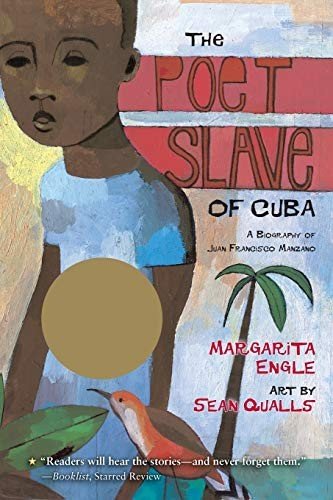
by Margarita Engle
Verse novel · ages 10–14 · grades 5–9 · 780L
A luminous, necessary biography in verse—Engle's form mirrors Manzano's own claim to poetry as an act of resistance, and the reading challenges are worth the emotional and historical weight.
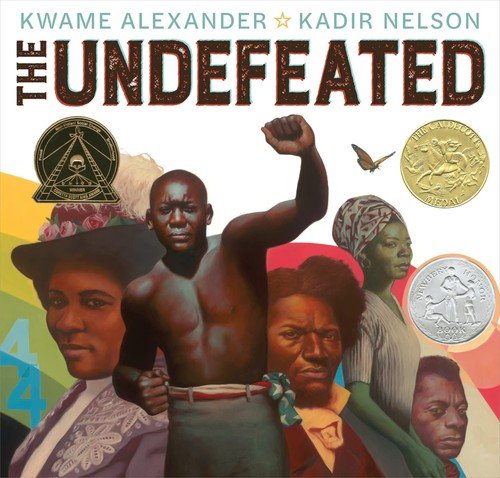
by Kwame Alexander
Verse novel · ages 10–14 · grades 5–9 · 620L
A landmark book that uses verse to make 500 years of Black American history personal and urgent—kids understand their own power within a larger story.
Complementing on identity
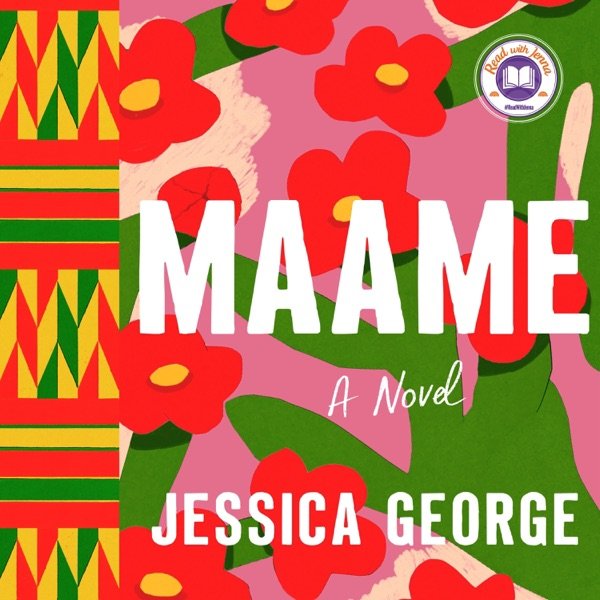
by Jessica George
Middle grade · ages 9–12 · grades 4–7 · 780L
A genuinely joyful book about a girl figuring out who she is without resolving her identity into a neat lesson — Ama's voice is funny, specific, and unmistakably herself.
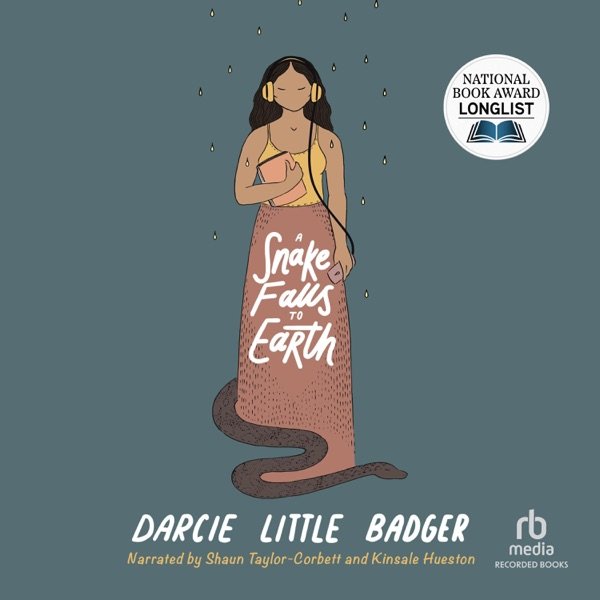
by Darcie Little Badger
Middle grade · ages 10–14 · grades 5–9 · 780L
A luminous, unapologetic celebration of Comanche identity and queerness for kids learning to claim all of who they are — exceptionally well-written and genuinely funny.
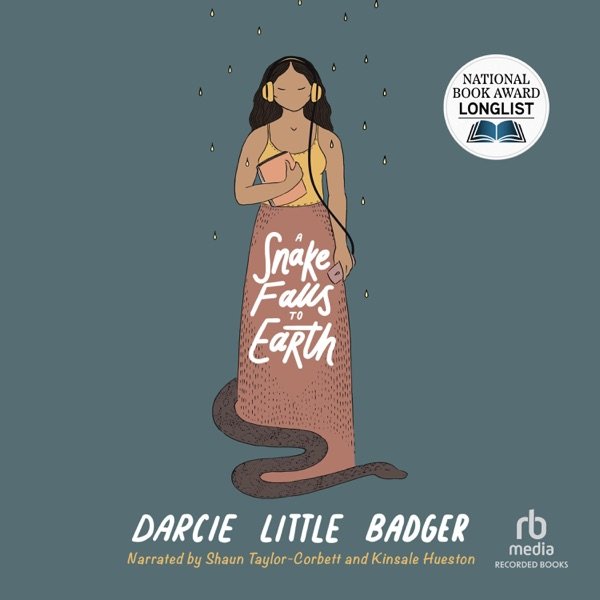
by Darcie Little Badger
Middle grade · ages 10–14 · grades 5–9 · 780L
A luminous, unapologetic celebration of Comanche identity and queerness for kids learning to claim all of who they are — exceptionally well-written and genuinely funny.
We'd skip — for now
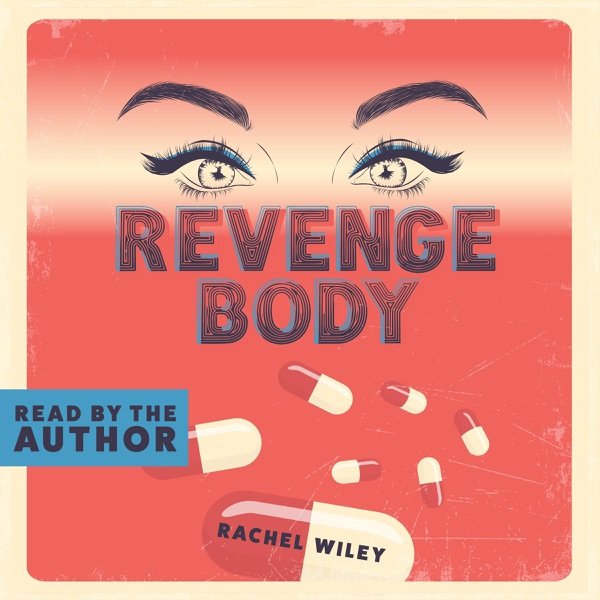
by Rachel Wiley
A step up — ages 14–18 · grades 9–12
Skip it if your teen has active body-image distortion or eating-disorder thoughts; the focus on body-centered shame, even when rejected, may be triggering.
