For a reader who just finished
Books like Advocate: A Graphic Memoir of Family, Community, and the Fight for Environmental Justice
after Advocate: A Graphic Memoir of Family, Community, and the Fight for Environmental Justice by Eddie Ahn · ages 10–14
Same style
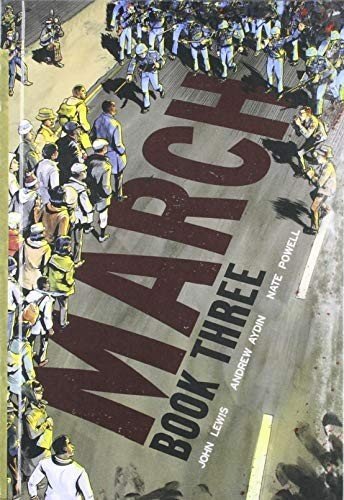
by John Lewis
Graphic novel · age 10+ · grade 5+ · 680L
The most rigorous and visually powerful civil-rights graphic narrative for middle grade — Lewis's firsthand account of nonviolent resistance paired with Nate Powell's unflinching art makes this essential, not decorative.
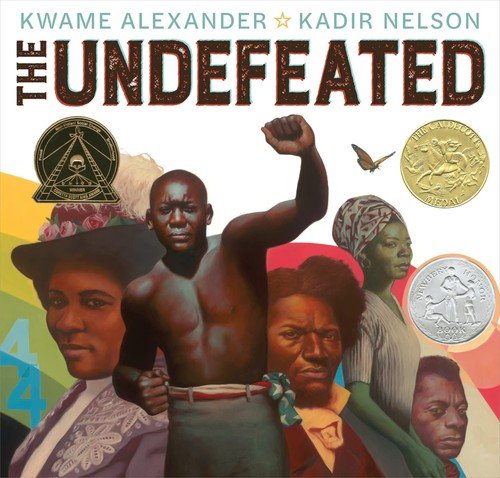
by Kwame Alexander
Verse novel · ages 10–14 · grades 5–9 · 620L
A landmark book that uses verse to make 500 years of Black American history personal and urgent—kids understand their own power within a larger story.
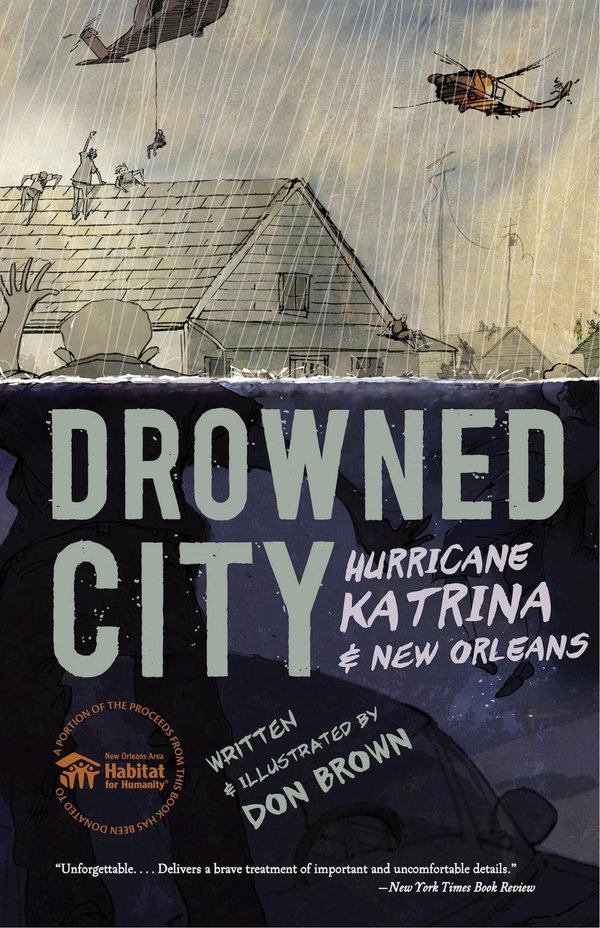
by Don Brown
Nonfiction · ages 8–12 · grades 3–7 · 720L
The gold standard for teaching kids how to read a real disaster honestly — Brown's illustrations and restrained prose let the scale speak without sensationalizing, and the focus on recovery grounds the story in agency, not helplessness.
Complementing on justice
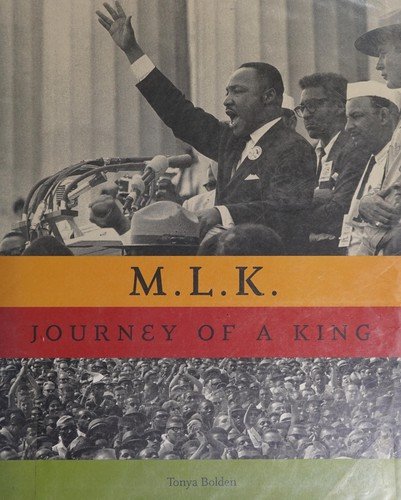
by Tonya Bolden
Nonfiction · ages 8–12 · grades 3–7 · 820L
The most readable MLK biography for this age — Bolden's accessible prose and archival illustrations make his humanity and moral reasoning vivid without sanitizing the violence or grief he faced.
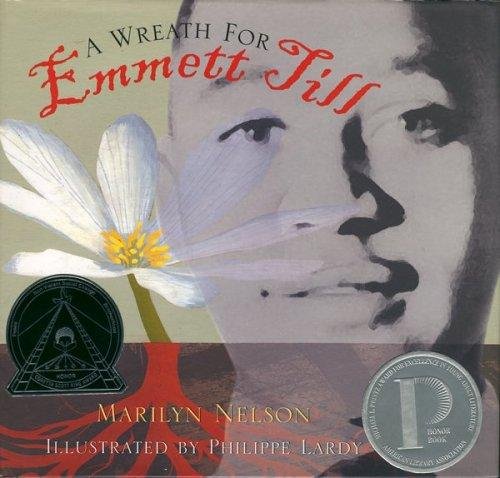
by Marilyn Nelson
Verse novel · ages 10–14 · grades 5–9 · 780L
Marilyn Nelson's verse transforms a brutal murder into unforgettable testimony—difficult and necessary for middle-graders old enough to grapple with Jim Crow and the cost of silence.
by Julius Lester
Nonfiction · age 10+ · grade 5+ · 780L
A harrowing, unflinching introduction to slavery through the voices of the enslaved themselves—essential reading for understanding American history, but only with a mature child and ideally a parent nearby to process.
We'd skip — for now
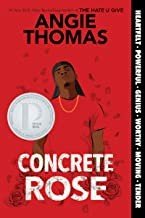
by Angie Thomas
A step up — ages 14–18 · grades 9–12
Skip it if your teen has been shaken by gang violence or drug dealing narratives; the stakes feel immediate and the consequences are shown, not implied.
