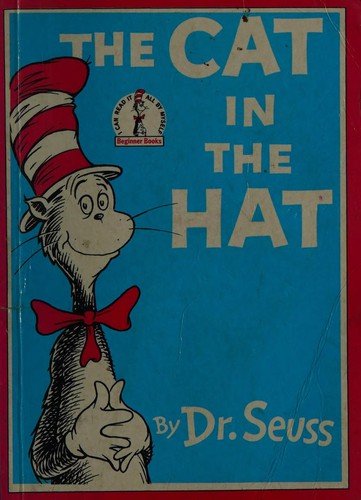
The Cat in the Hat
by Dr. Seuss
Picture book · ages 4–8 · grades K–3 · 260L · 1992
The foundational read-aloud—rhyme, rhythm, and illustrated chaos that makes kids beg for rereads and builds phonetic intuition without feeling like work.
For a reader who just finished
after Pete the Cat's Groovy Imagination by James Dean · ages 4–7
Picture book · grades K–2 · 300L
Pure, low-stakes fun that validates a child's inner world without any moralizing or peril.
Same style
by Dr. Seuss
Picture book · ages 4–8 · grades K–3 · 260L · 1992
The foundational read-aloud—rhyme, rhythm, and illustrated chaos that makes kids beg for rereads and builds phonetic intuition without feeling like work.
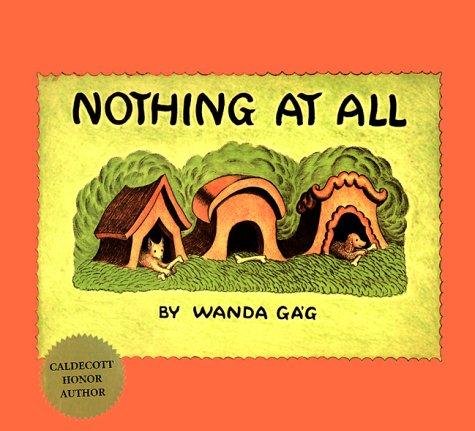
by Wanda Gág
Picture book · ages 3–7 · grades K–2 · 1941
Gág's anarchic 1941 picture book is pure imaginative chaos—a kid with nothing makes increasingly ridiculous things happen, no moral, no lesson, just delightful absurdist momentum.
by Gracey Zhang
Picture book · ages 3–7 · grades K–2 · 350L · 2024
A gleefully absurd picture book that rewards the illogic—noodles, a bicycle, and escalating chaos—with no moral, just visual silliness and repetition that makes toddlers giggle.
Stretch them up
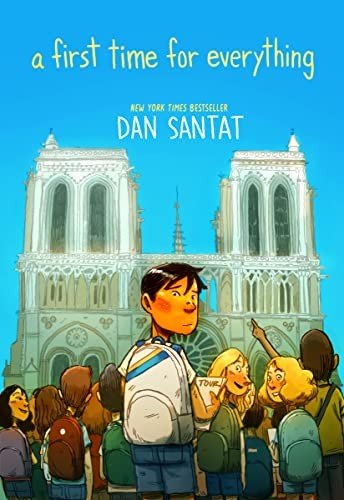
by Dan Santat
Picture book · ages 4–8 · grades K–3 · 500L · 2023
Santat's warmest work — a validation for shy kids that doing things scared is normal, and that friendship makes it easier; read-aloud gold for ages 5–7.
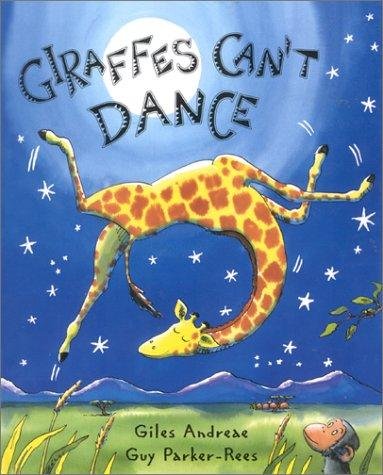
Picture book · ages 3–7 · grades K–2 · 480L · 2009
A near-perfect picture book about difference and courage — the rhyme carries kids through, the illustrations are joyful, and the ending doesn't feel preachy because Gerald's fear is treated as real.
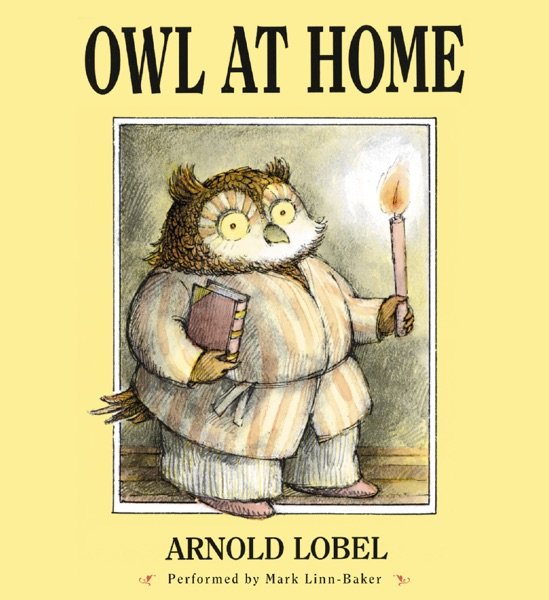
by Arnold Lobel
Early reader · ages 4–8 · grades K–3 · 420L · 1993
Arnold Lobel's masterpiece for early readers—deceptively gentle stories about solitude, friendship, and small domestic joys that grow richer on rereads; the illustrations are essential to the book's heart.
Complementing on imagination
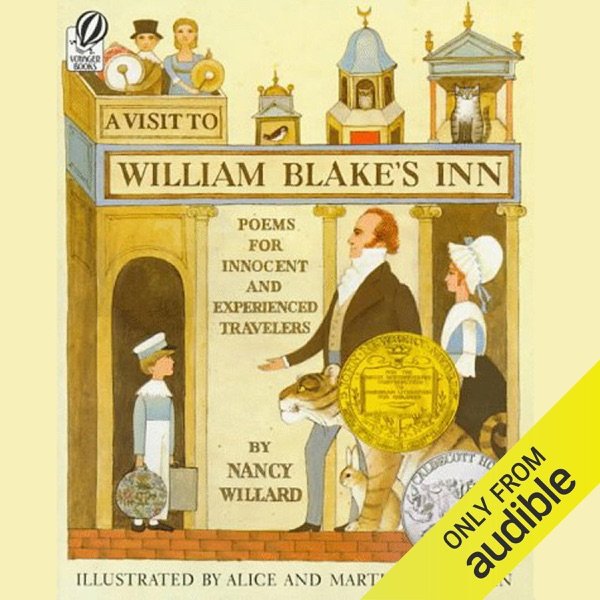
Picture book · ages 4–9 · grades K–4 · 620L · 1985
A Newbery Medal winner that reads like illustrated poetry — Willard's language is playful and precise, Blake's influence is felt throughout, and children return to it because it feels like a secret.
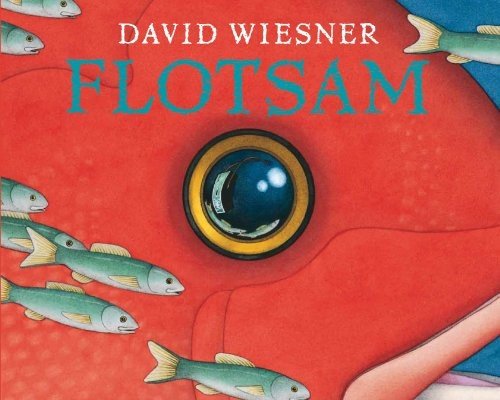
Picture book · ages 4–8 · grades K–3 · 2001
A wordless masterpiece that teaches observation and sparks imagination without a single sentence—kids stare at the panels, construct their own theories, and beg to flip through it again.
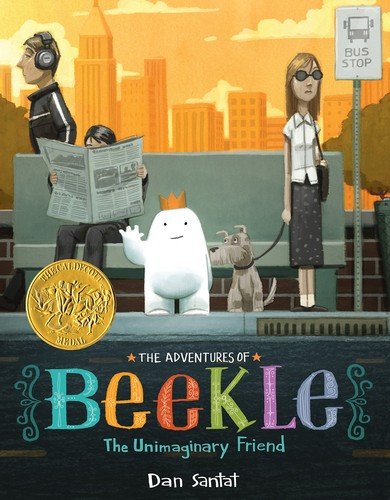
by Dan Santat
Picture book · ages 4–8 · grades K–3 · 620L · 2014
A Caldecott winner that genuinely earns it — the wordless passages and Santat's watercolor spreads do more work than the text, and the longing-to-connection arc lands with real emotional weight for kindergarteners and up.
We'd skip — for now
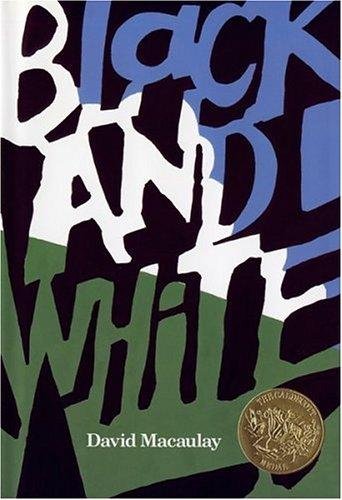
by David Macaulay
A step up — ages 8–12 · grades 3–7
Skip it if your child finds open-ended narratives frustrating or needs explicit narrative closure; the ambiguity is the point.