
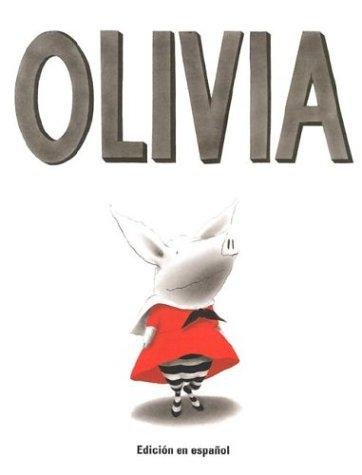
Olivia
by Ian Falconer
Picture book · ages 3–7 · grades K–2 · 300L
A character study disguised as a picture book: Olivia's theatrical self-absorption is unapologetic, hilarious, and oddly affirming for kids who aren't the quiet type.
For a reader who just finished
after Noodles on a Bicycle by Gracey Zhang · ages 3–7
Same style
by Ian Falconer
Picture book · ages 3–7 · grades K–2 · 300L
A character study disguised as a picture book: Olivia's theatrical self-absorption is unapologetic, hilarious, and oddly affirming for kids who aren't the quiet type.
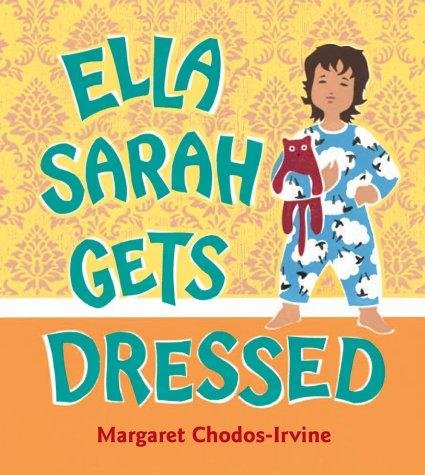
by Margaret Chodos-Irvine
Picture book · ages 3–7 · grades K–2 · 420L
A short, laugh-out-loud celebration of a young kid's right to look ridiculous—Chodos-Irvine's spot-on illustrations make the clashing prints funnier each reread.
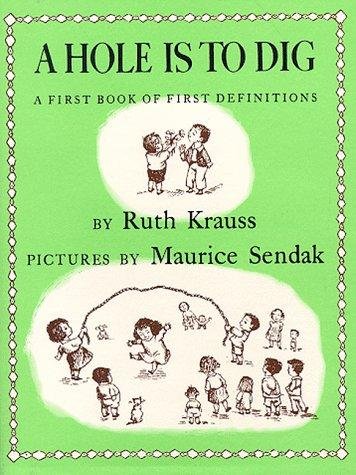
by Ruth Krauss
Picture book · ages 3–7 · grades K–2
A 1950s marvel that still lands—pure linguistic play where each page feels like a small joke the child gets to own, and parents rediscover why metaphor matters.
Stretch them up
by Todd Tucker
Picture book · ages 4–8 · grades K–3 · 600L
A quiet masterpiece that teaches observation without a word of didacticism—kids naturally want to lift the flaps and peek, building real naturalist instincts.
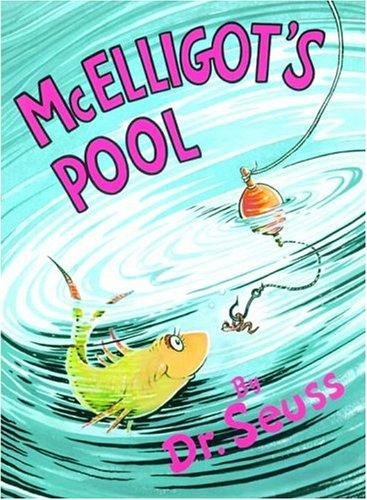
by Dr. Seuss
Picture book · ages 4–8 · grades K–3 · 600L
A sly defense of imaginative thinking wrapped in Seussian verse — the climax vindicates Marco's faith without ever becoming preachy.
by Gordon C. James
Picture book · ages 4–8 · grades K–3 · 500L
A radiant celebration of Black barbershop culture that gives kids language for pride, ritual, and identity without a hint of didacticism—the illustrations do the heavy lifting.
Complementing on cause effect
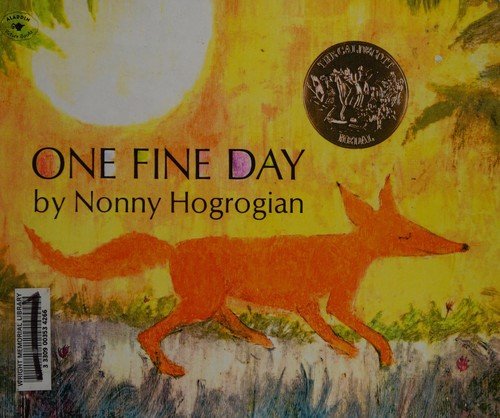
by Nonny Hogrogian
Picture book · ages 4–8 · grades K–3 · 300L
A Caldecott winner that holds up: the circular chain-of-consequence plot is elegant enough to reward rereads, and Hogrogian's folk-art illustrations ground an abstract concept in a lived village.
by Nonny Hogrogian
Picture book · ages 4–8 · grades K–3 · 300L
A Caldecott winner that holds up: the circular chain-of-consequence plot is elegant enough to reward rereads, and Hogrogian's folk-art illustrations ground an abstract concept in a lived village.
by Nonny Hogrogian
Picture book · ages 4–8 · grades K–3 · 300L
A Caldecott winner that holds up: the circular chain-of-consequence plot is elegant enough to reward rereads, and Hogrogian's folk-art illustrations ground an abstract concept in a lived village.
We'd skip — for now
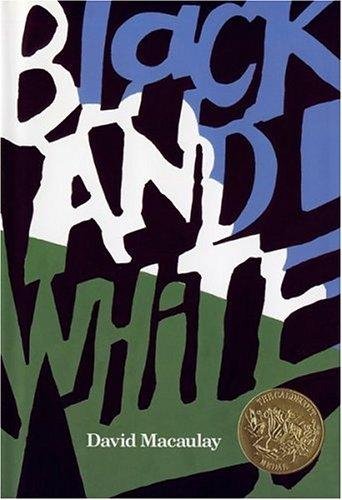
by David Macaulay
A step up — ages 8–12 · grades 3–7
Skip it if your child finds open-ended narratives frustrating or needs explicit narrative closure; the ambiguity is the point.