
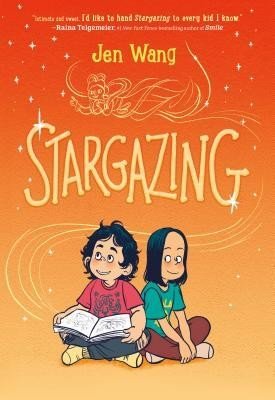
Stargazing
by Jen Wang
Graphic novel · ages 8–12 · grades 3–7 · 520L
Jen Wang's most emotionally intelligent book—a friendship story about two girls who don't look or live alike, told in full color with genuine tenderness and no sermonizing.
For a reader who just finished
after Nuclear Family by Joseph Han · ages 8–12
Same style
by Jen Wang
Graphic novel · ages 8–12 · grades 3–7 · 520L
Jen Wang's most emotionally intelligent book—a friendship story about two girls who don't look or live alike, told in full color with genuine tenderness and no sermonizing.
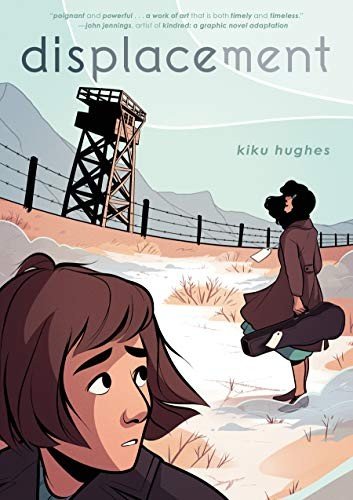
by Kiku Hughes
Graphic novel · ages 10–14 · grades 5–9 · 520L
A stunning graphic novel that makes Japanese American internment visceral and personal—Hughes's art moves fluidly between timelines, and the story refuses easy comfort or distance.
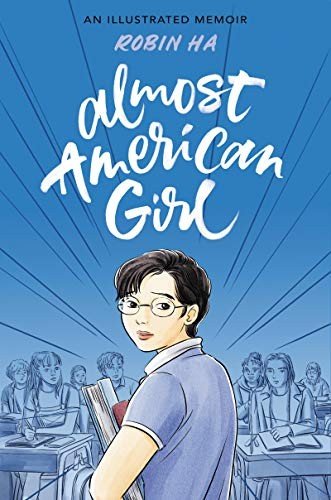
by Robin Ha
Graphic novel · ages 10–14 · grades 5–9 · 520L
A genuinely moving, funny, and honest graphic memoir about feeling caught between worlds—Ha's voice is warm without being saccharine, and the art makes the interior experience of immigration legible to kids who've never lived it.
Stretch them up
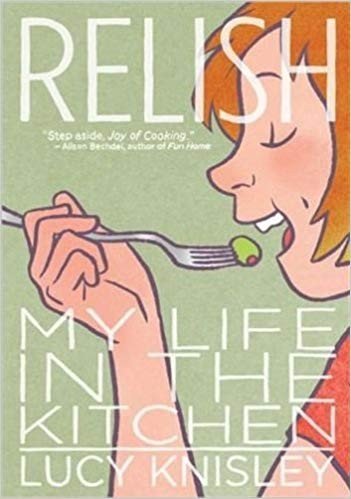
by Lucy Knisley
Graphic novel · ages 8–12 · grades 3–7 · 620L
A graphic memoir that proves picture books aren't just for young kids — Lucy's illustrations are gorgeous and the arc from finicky child to confident creator is quietly moving, with food as the thread.
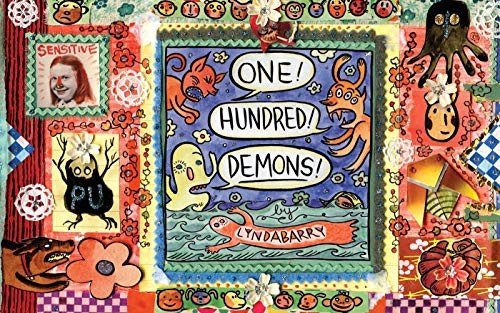
by Lynda Barry
Graphic novel · age 10+ · grade 5+ · 520L
A quiet masterpiece that teaches kids to pay attention to ordinary life and find meaning in it—the opposite of the climax-hungry narratives they're usually fed.
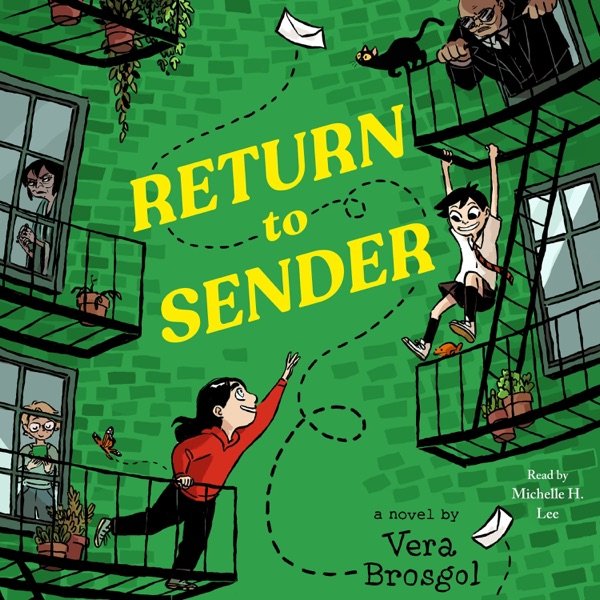
by Vera Brosgol
Graphic novel · ages 8–12 · grades 3–7 · 620L
A luminous, historically vital graphic novel that makes the Japanese American incarceration personally real through a child's eyes—Brosgol's art transforms archival pain into quiet dignity, and kids emerge understanding both a grave historical wrong and human resilience in the face of it.
Complementing on a good life
by Lynda Barry
Graphic novel · age 10+ · grade 5+ · 520L
A quiet masterpiece that teaches kids to pay attention to ordinary life and find meaning in it—the opposite of the climax-hungry narratives they're usually fed.
by Cornelia Meigs
Nonfiction · ages 8–12 · grades 3–7 · 820L
A Newbery Medal winner that reads like a novel but grounds kids in how writers actually live and work—Alcott's poverty and grit are unsentimental, her ambition is real, and 19th-century Concord becomes vividly present.
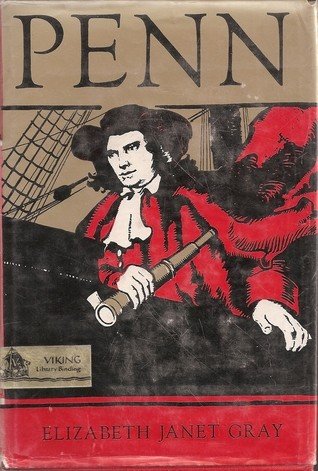
by Elizabeth Gray Vining
Nonfiction · ages 9–14 · grades 4–9 · 900L
A scholarly but readable biography that introduces colonial history and Quaker principles through the life of a genuinely complicated founder; best for kids with some history interest and tolerance for dense prose.
We'd skip — for now
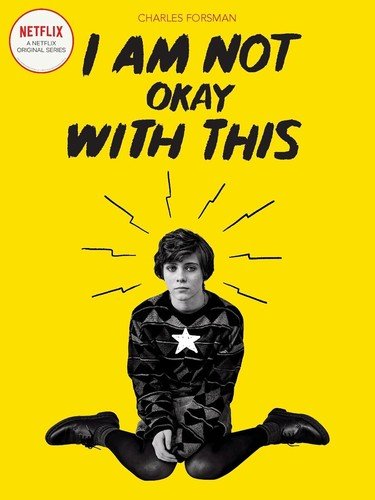
by Charles Forsman
A step up — ages 13–18 · grades 8–12
Skip it if your teen is actively struggling with suicidal ideation—this book does not glorify or dramatize self-harm, but it examines it unflinchingly and may not be grounding right now.