For a reader who just finished
Books like Penn
after Penn by Elizabeth Gray Vining · ages 9–14
Same style
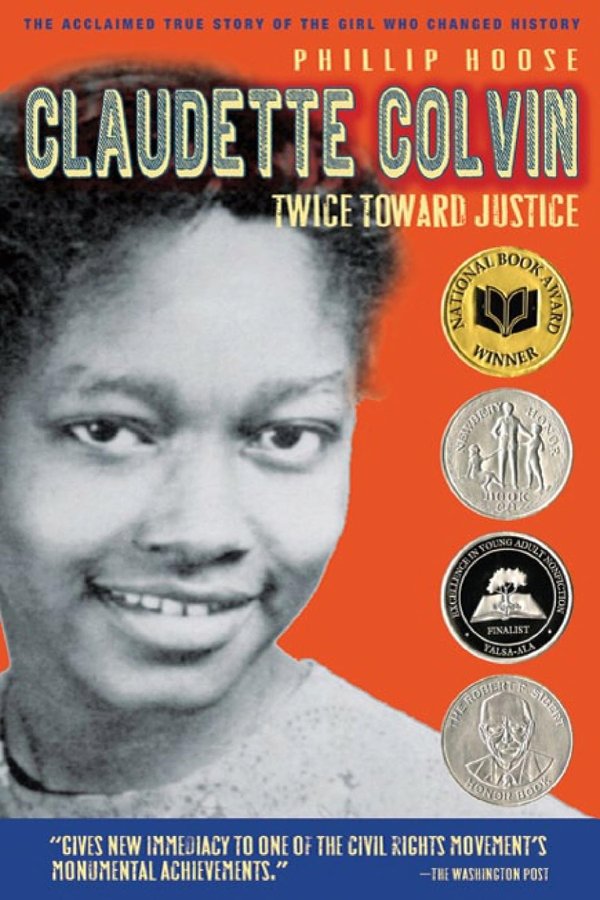
by Phillip Hoose
Nonfiction · ages 10–14 · grades 5–9 · 820L
The book that should be taught instead of (or alongside) Rosa Parks—immediate, deeply researched, and co-authored with Claudette herself, making it both historically authoritative and emotionally resonant for kids discovering real people with real moral agency.
by Hand in Hand: Ten Black Men Who Changed America
Nonfiction · ages 8–12 · grades 3–7 · 750L
Beautifully illustrated profiles that center Black achievement and resistance without sanitizing the racism these men faced—the kind of history book that kids actually want to read and revisit.
by Hand in Hand: Ten Black Men Who Changed America
Nonfiction · ages 8–12 · grades 3–7 · 750L
Beautifully illustrated profiles that center Black achievement and resistance without sanitizing the racism these men faced—the kind of history book that kids actually want to read and revisit.
Complementing on a good life
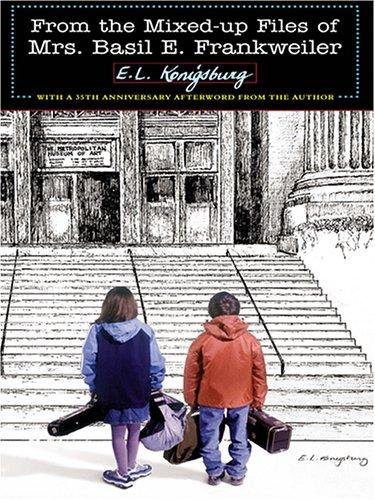
by E. L. Konigsburg
Middle grade · ages 8–12 · grades 3–7 · 790L
A book that trusts kids to be intellectually bored and emotionally complex—Claudia's runaway isn't melodrama, it's a quiet reckoning with identity that lands harder on rereads.
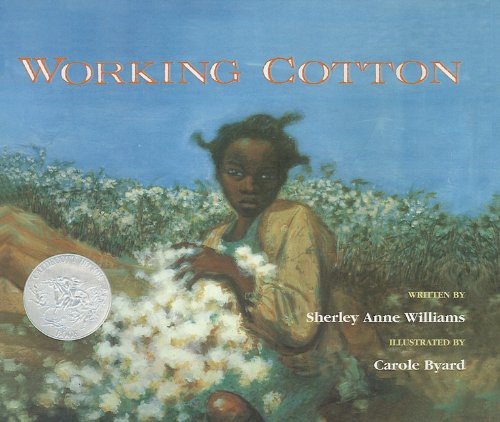
by Carole Byard
Picture book · ages 6–10 · grades 1–5 · 620L
Unflinching, lyrical, and told in the protagonist's own voice — this is the rare picture book that doesn't sentimentalize poverty but doesn't rob children of it either, and Carole Byard's collage art is extraordinary.
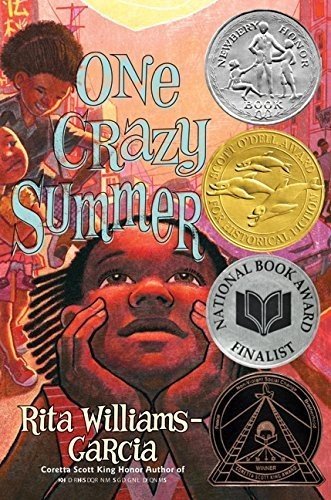
by Rita Williams-Garcia
Middle grade · ages 8–12 · grades 3–7 · 750L
A richly layered book about sisterhood, identity, and reckoning with parental complexity that treats kids' emotional intelligence seriously—the ending doesn't tidy up, which is exactly why it stays with them.
We'd skip — for now
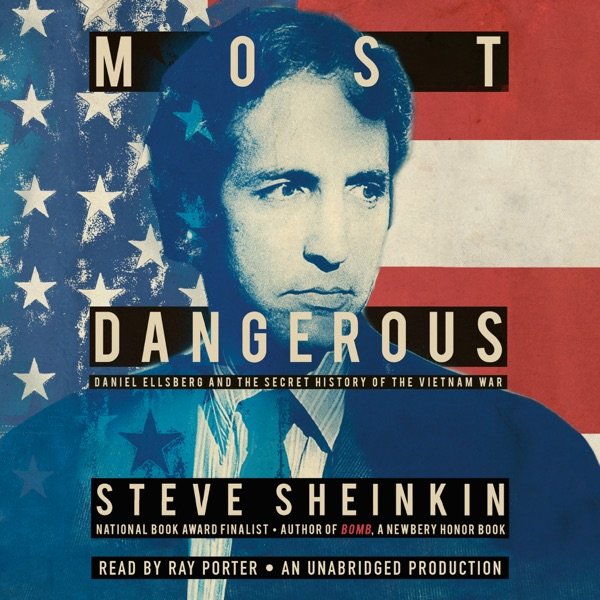
by Steve Sheinkin
A step up — ages 14–18 · grades 9–12
Skip it if your teen hasn't yet engaged with Vietnam War history or struggles with sustained geopolitical narrative — the book assumes some baseline context about US Cold War mentality.
