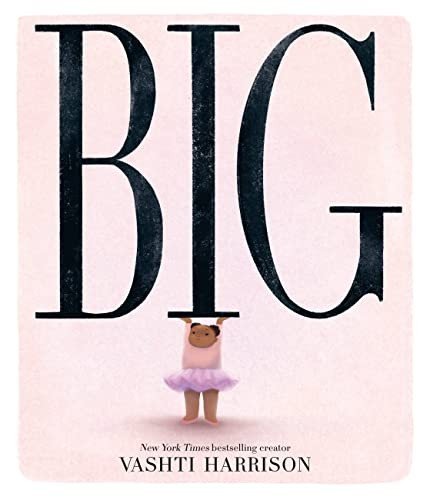
Big
Picture book · ages 4–8 · grades K–3 · 2024
Vashti Harrison's best work—a picture book that takes a physical difference seriously without being preachy, and lets the protagonist's self-acceptance feel earned rather than handed down.
For a reader who just finished
after Loving My Locs by Yo-Yo Johnson · ages 4–8
Picture book · grades K–3 · 350L
A gentle, essential mirror for Black children and a window for everyone else; it normalizes natural hair without making it a 'lesson,' just a fact of life.
Same style
Picture book · ages 4–8 · grades K–3 · 2024
Vashti Harrison's best work—a picture book that takes a physical difference seriously without being preachy, and lets the protagonist's self-acceptance feel earned rather than handed down.
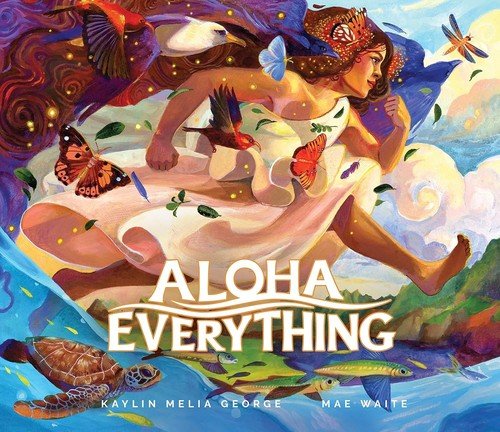
Picture book · ages 4–8 · grades K–3 · 350L · 2024
A joyful, accessible introduction to Hawaiian culture and the concept of aloha that normalizes kindness as a daily practice rather than a lesson—the illustrations carry real warmth.
by Gracey Zhang
Picture book · ages 4–8 · grades K–3 · 350L · 2021
A gentle, essential entry point for discussing cultural identity and the specific pain of name-mispronunciation without being heavy-handed.
Stretch them up
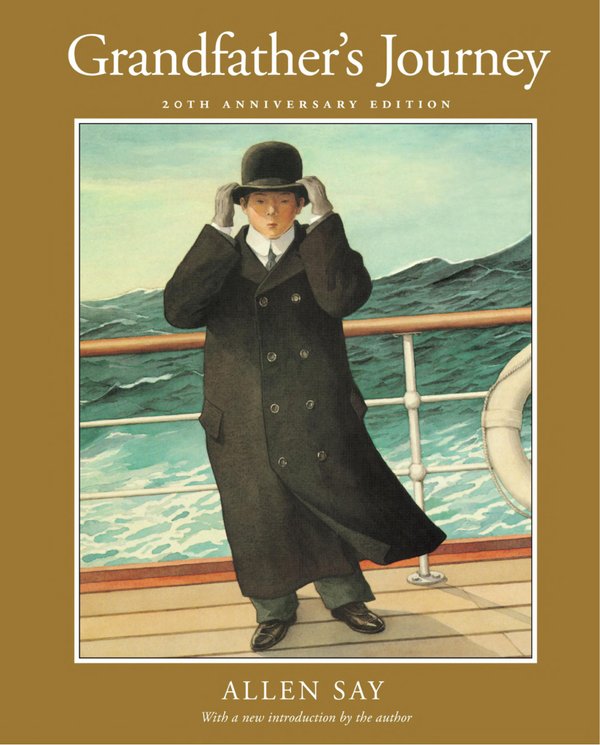
by Allen Say
Picture book · ages 4–8 · grades K–3 · 550L · 2013
A Caldecott winner that earns it—Say's watercolors and mirrored structure teach perspective-taking without sermon, and kids grasp the paradox of home better than most adults.
Picture book · ages 4–8 · grades K–3 · 550L · 2021
A genuine masterpiece that reads as allegory to adults and pure story-magic to kids; the watercolor and poetic language linger long after the last page.
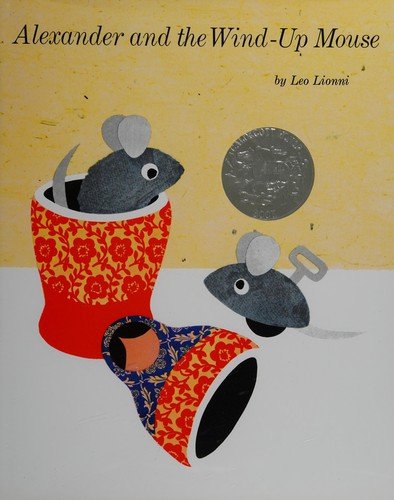
by Leo Lionni
Picture book · ages 4–8 · grades K–3 · 550L · 1987
A masterpiece of picture-book economy—Lionni uses collage to make a simple story about accepting difference feel profound, and kids absorb the moral without ever noticing they're learning.
Complementing on naming feelings
Verse novel · ages 6–10 · grades 1–5 · 520L · 1998
A masterwork of bilingual wordplay that reads aloud with infectious energy—kids feel seen in the code-switching, and the poems actively teach that two languages in one mind is a superpower, not a problem.
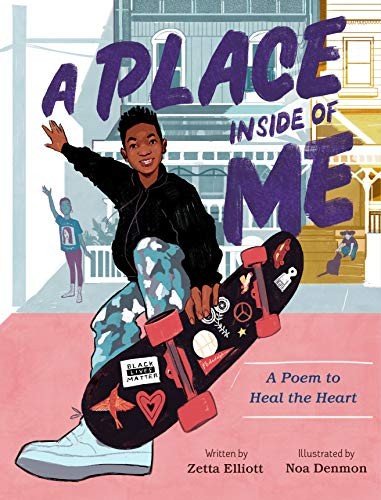
by Noa Denmon
Picture book · ages 4–8 · grades K–3 · 480L
A stunning emotional architecture book — the metaphor of internal rooms for different feelings sticks with kids long after the read, and the illustrations make abstract emotions concrete without sentimentalizing them.
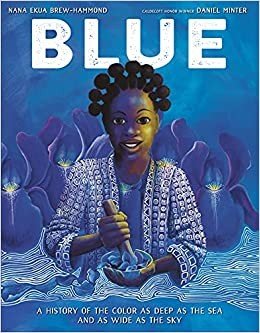
Picture book · ages 4–8 · grades K–3 · 550L · 2022
A lyrical and visually stunning way to teach cultural heritage without it feeling like a lecture; the 'blue' motif is clever enough for older kids but accessible for toddlers.
We'd skip — for now
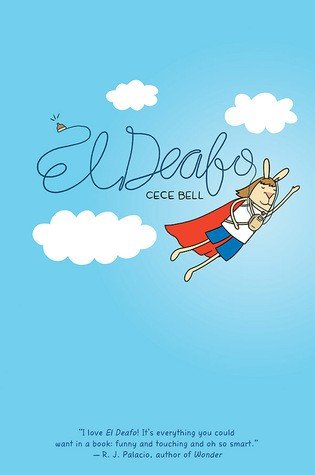
by Cece Bell
A step up — ages 8–12 · grades 3–7
Skip it if your child is sensitive to being the only one different in a room — the social friction is realistic and might amplify their own fears.