For a reader who just finished
Books like Lincoln: A Photobiography
after Lincoln: A Photobiography by Russell Freedman · ages 9–12
Same style
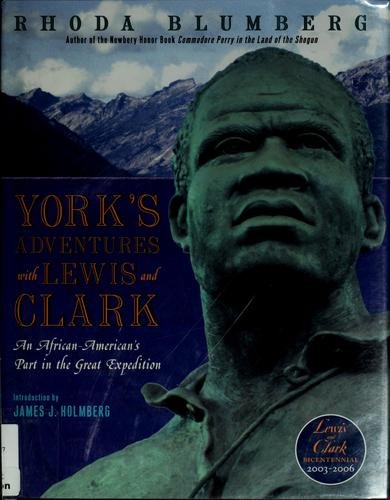
by Rhoda Blumberg
Nonfiction · ages 8–12 · grades 3–7 · 790L
The only children's biography that treats York as a thinking subject rather than a sidecar to Lewis and Clark; Blumberg's honesty about historical gaps models what real scholarship looks like.
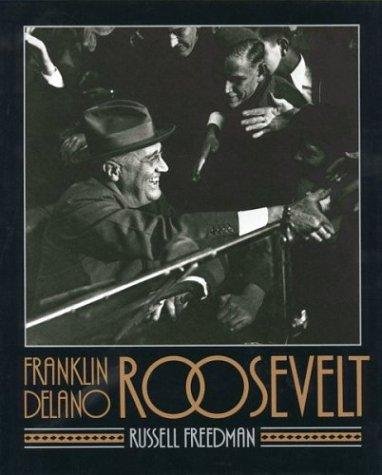
by Russell Freedman
Nonfiction · ages 9–12 · grades 4–7 · 820L
Freedman's accessible, photo-rich biography makes FDR's disability and determination feel immediate without sentimentality; kids grasp both the man and the era.
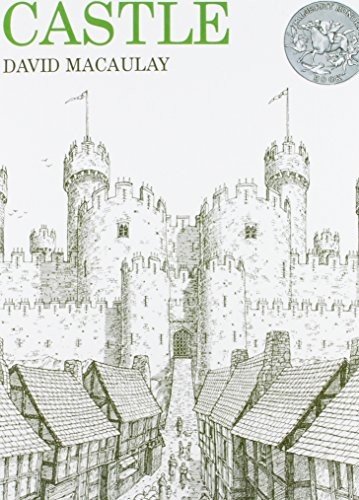
by David Macaulay
Nonfiction · ages 8–12 · grades 3–7 · 720L
Macaulay's masterpiece — architectural history made visceral through illustration and narrative; kids who engage deeply will ask real questions about how things are built.
Complementing on biography civics
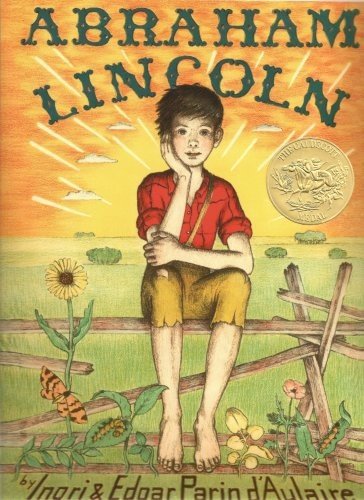
by Ingri and Edgar Parin d'Aulaire
Picture book · ages 6–10 · grades 1–5 · 800L
The d'Aulaires' Lincoln is a masterpiece—sumptuous illustrations and narrative prose that makes a difficult life feel epic and human; kids absorb both the story and a sense of why Lincoln matters.
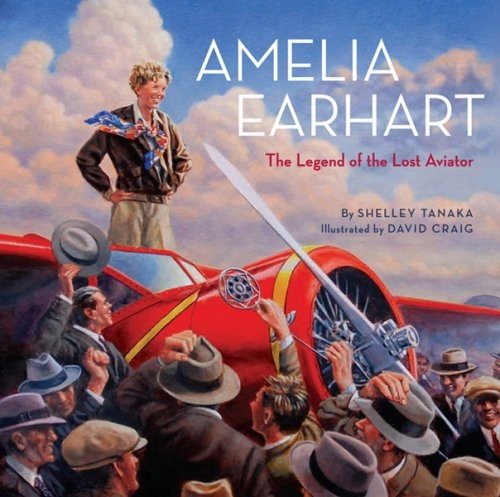
by Shelley Tanaka
Nonfiction · ages 8–12 · grades 3–7 · 820L
A beautifully illustrated biography that makes Earhart's daring and determination feel personally present—not a distant icon, but a woman who chose her own path and paid a price for it.

by Jeanette Eaton
Nonfiction · ages 8–12 · grades 3–7 · 720L
A 1938 Newbery Honor book that reads as earnest and slightly dated, but offers vivid scenes of Washington's actual decisions and doubts—not hagiography, and genuinely narrative enough for strong 8-year-old readers to sustain attention.
We'd skip — for now
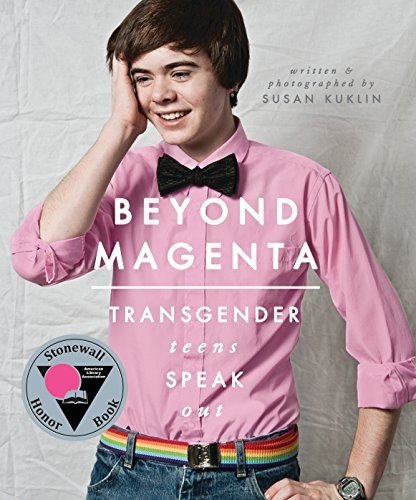
by Susan Kuklin
A step up — ages 14–18 · grades 9–12
Skip it if your family is not ready to discuss gender identity, sexuality, and the lived experience of discrimination; this book does not shy from those conversations.
