For a reader who just finished
Books like Abraham Lincoln
after Abraham Lincoln by Ingri and Edgar Parin d'Aulaire · ages 6–10
Same style
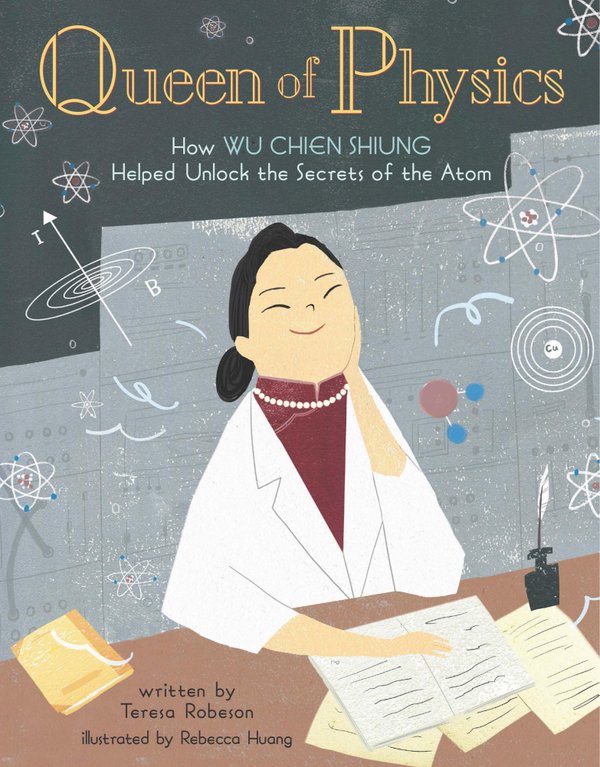
by Teresa Robeson
Picture book · ages 8–12 · grades 3–7 · 820L
A rigorous, visually compelling introduction to a physicist whose breakthrough experiment changed nuclear physics—told without condescension or sentimentality.
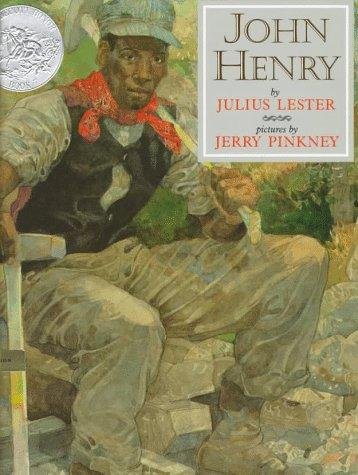
by Jerry Pinkney
Picture book · ages 4–8 · grades K–3
Pinkney's watercolors transform the folk ballad into a visually luminous, emotionally serious meditation on dignity and human worth—the kind of picture book that deepens with rereading and holds up for adult readers.
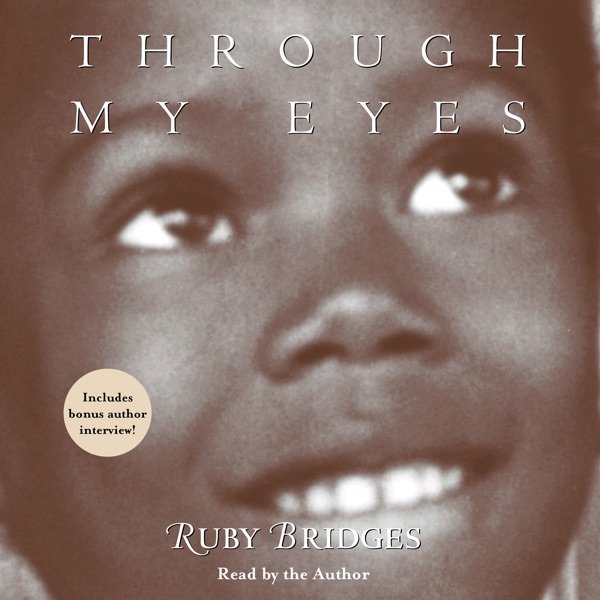
by Ruby Bridges
Picture book · ages 6–10 · grades 1–5 · 620L
The gold standard for introducing desegregation to early readers—Ruby's voice is calm and observant, the pictures are unflinching without being sensationalized, and the book trusts kids to understand why this matters.
Complementing on courage
by Teresa Robeson
Picture book · ages 8–12 · grades 3–7 · 820L
A rigorous, visually compelling introduction to a physicist whose breakthrough experiment changed nuclear physics—told without condescension or sentimentality.
by Jerry Pinkney
Picture book · ages 4–8 · grades K–3
Pinkney's watercolors transform the folk ballad into a visually luminous, emotionally serious meditation on dignity and human worth—the kind of picture book that deepens with rereading and holds up for adult readers.
by Patrick McDonnell
Picture book · ages 4–8 · grades K–3 · 620L
McDonnell's watercolor dreaming captures the tender obsession of a girl with animals — this is how most naturalists start, and the book honors that without sentimentality.
We'd skip — for now
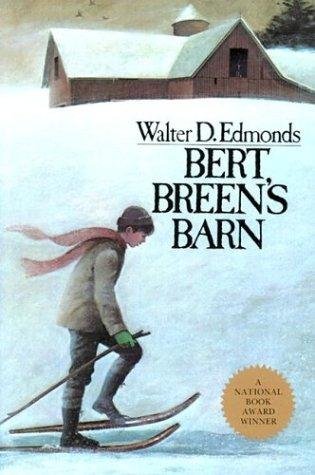
by Walter D. Edmonds
A step up — ages 10–14 · grades 5–9
Skip it if your child expects fast plot momentum or character-driven drama; this is a slow-burn, labor-focused narrative with limited dialogue and introspection.
