For a reader who just finished
Books like Ichiro
after Ichiro by Ryan Inzana · ages 9–12
Same style
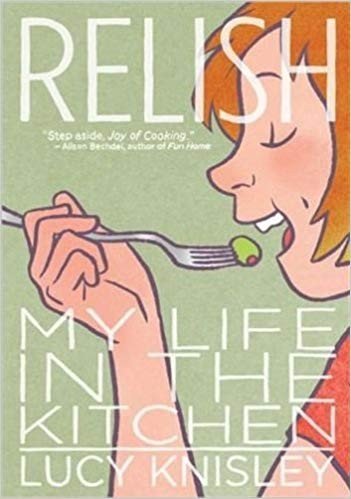
by Lucy Knisley
Graphic novel · ages 8–12 · grades 3–7 · 620L
A graphic memoir that proves picture books aren't just for young kids — Lucy's illustrations are gorgeous and the arc from finicky child to confident creator is quietly moving, with food as the thread.
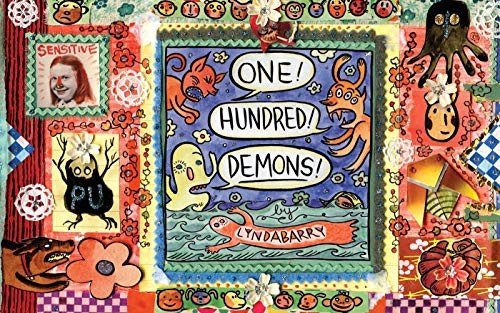
by Lynda Barry
Graphic novel · age 10+ · grade 5+ · 520L
A quiet masterpiece that teaches kids to pay attention to ordinary life and find meaning in it—the opposite of the climax-hungry narratives they're usually fed.
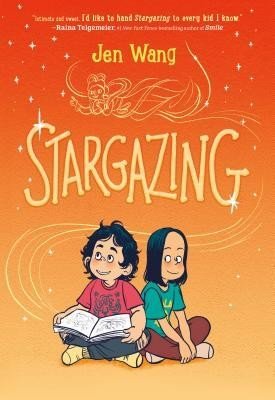
by Jen Wang
Graphic novel · ages 8–12 · grades 3–7 · 520L
Jen Wang's most emotionally intelligent book—a friendship story about two girls who don't look or live alike, told in full color with genuine tenderness and no sermonizing.
Stretch them up
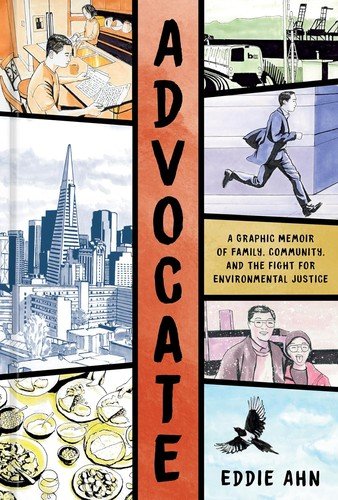
by Eddie Ahn
Graphic novel · ages 10–14 · grades 5–9 · 720L
The first graphic memoir to meaningfully introduce environmental racism and systemic inequality to kids without talking down—Ahn's art and voice make complex justice issues visceral and personal.
by Lucy Knisley
Graphic novel · ages 8–12 · grades 3–7 · 620L
A graphic memoir that proves picture books aren't just for young kids — Lucy's illustrations are gorgeous and the arc from finicky child to confident creator is quietly moving, with food as the thread.
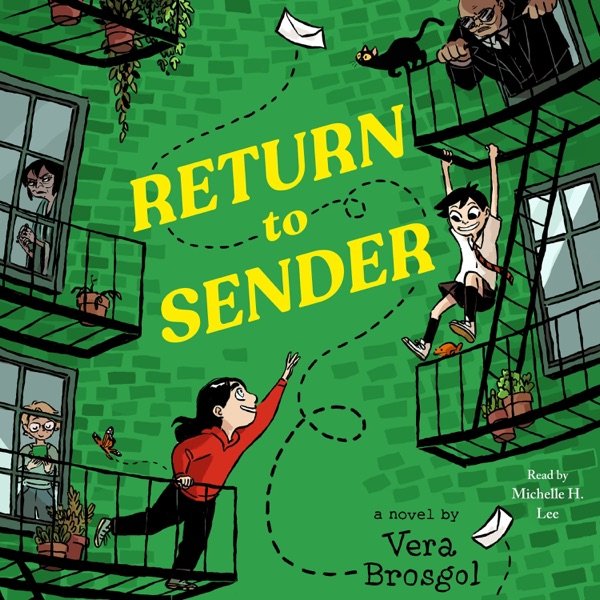
by Vera Brosgol
Graphic novel · ages 8–12 · grades 3–7 · 620L
A luminous, historically vital graphic novel that makes the Japanese American incarceration personally real through a child's eyes—Brosgol's art transforms archival pain into quiet dignity, and kids emerge understanding both a grave historical wrong and human resilience in the face of it.
Complementing on navigating difference
by Lynda Barry
Graphic novel · age 10+ · grade 5+ · 520L
A quiet masterpiece that teaches kids to pay attention to ordinary life and find meaning in it—the opposite of the climax-hungry narratives they're usually fed.
by Eddie Ahn
Graphic novel · ages 10–14 · grades 5–9 · 720L
The first graphic memoir to meaningfully introduce environmental racism and systemic inequality to kids without talking down—Ahn's art and voice make complex justice issues visceral and personal.
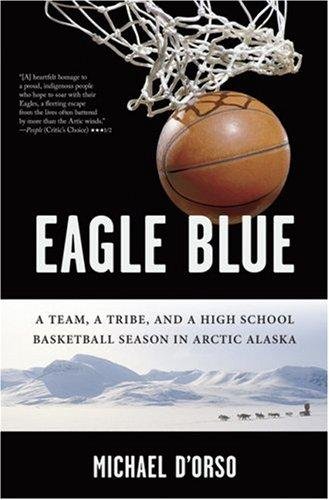
by Michael D'Orso
Nonfiction · age 10+ · grade 5+ · 1010L
A rare, unsentimental portrait of Indigenous teens navigating identity and community pressure through sport—more reportage than inspiration, which makes it real and durable.
We'd skip — for now
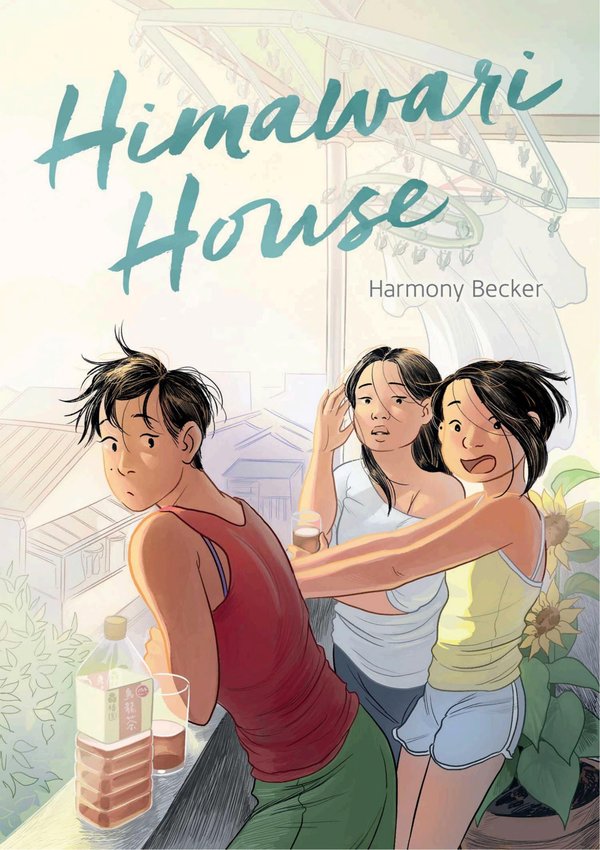
by Harmony Becker
A step up — ages 13–18 · grades 8–12
Skip it if your teen is uncomfortable with LGBTQ+ content or recent breakup grief—both are central, not peripheral.
