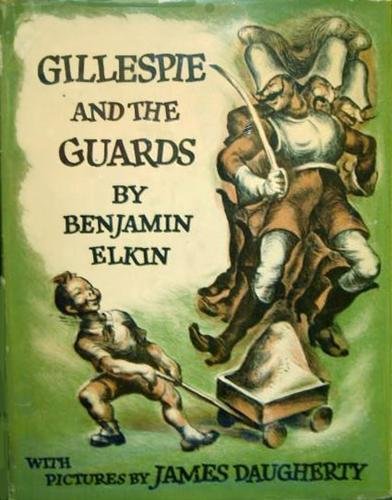
Gillespie and the Guards
Picture book · ages 5–8 · grades K–3 · 600L
A period-charming romp that leans hard on absurdist humor and illustrated chaos; fun for kids who like slapstick but thin on lasting story.
For a reader who just finished
after How to Catch a Dinosaur by Adam Wallace · ages 3–7
Picture book · grades K–2 · 500L
Pure silly fun with bright illustrations—exactly what early readers want, though it doesn't linger in memory after reread three.
Same style
Picture book · ages 5–8 · grades K–3 · 600L
A period-charming romp that leans hard on absurdist humor and illustrated chaos; fun for kids who like slapstick but thin on lasting story.
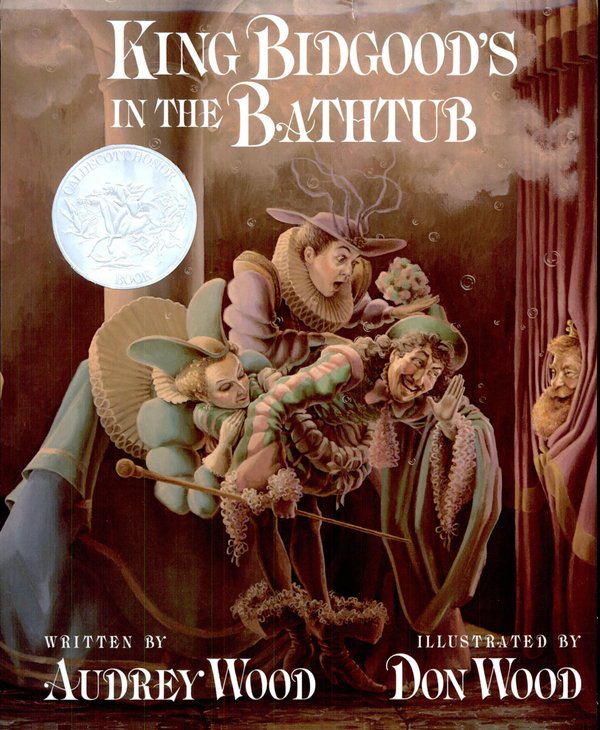
by Don Wood
Picture book · ages 4–8 · grades K–3 · 480L · 1985
Peak silly-for-silly's-sake: a king who won't leave his bathtub and the increasingly absurd attempts to coax him out — illustrated with dense, laugh-out-loud detail on every page.
Picture book · ages 4–8 · grades K–3 · 480L · 1987
Prelutsky's Halloween verse is rhythmic, silly, and genuinely fun to read aloud — the monsters and witches are cartoonish enough that even squeamish 5-year-olds giggle instead of hide.
Stretch them up
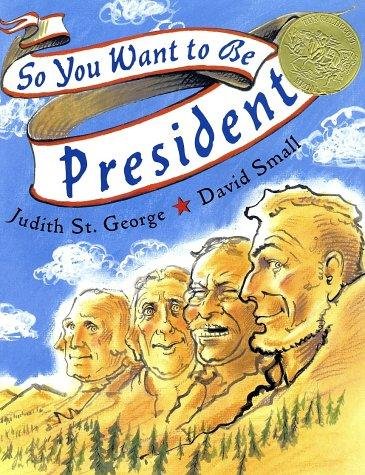
by David Small
Picture book · ages 4–8 · grades K–3 · 620L · 2000
A Caldecott winner that makes U.S. history genuinely funny — kids laugh at the absurdity while absorbing real facts about presidents in a format that's pure delight to reread.
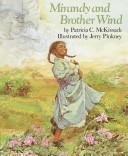
Picture book · ages 4–8 · grades K–3 · 620L
A stunning picture book that weaves African American folklore, Southern rural life, and genuine emotional stakes—Pinkney's illustrations alone are worth revisiting, and Mirandy's problem-solving arc models courage without sentimentality.
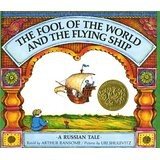
Picture book · ages 4–8 · grades K–3 · 620L
A Russian folktale retelling where the fool's kindness is genius—Shulevitz's watercolors are luminous and the logic of magic feels earned, not arbitrary.
Complementing on problem solving
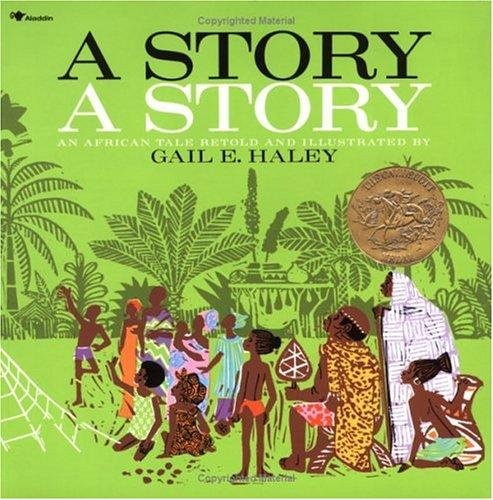
Picture book · ages 4–8 · grades K–3 · 620L · 1990
A Caldecott winner that works as folklore entry point, visual feast, and celebration of cleverness over brute strength—the illustrations anchor the oral tradition on the page without deadening it.
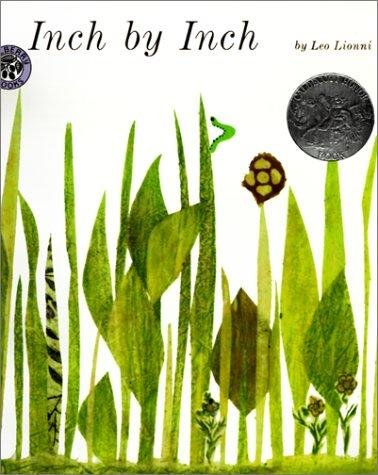
by Leo Lionni
Picture book · ages 4–8 · grades K–3 · 320L · 1960
Lionni's masterpiece: a deceptively simple story about measuring that plants the seeds of mathematical thinking and lateral problem-solving while the collage art stays mesmerizing on every reread.
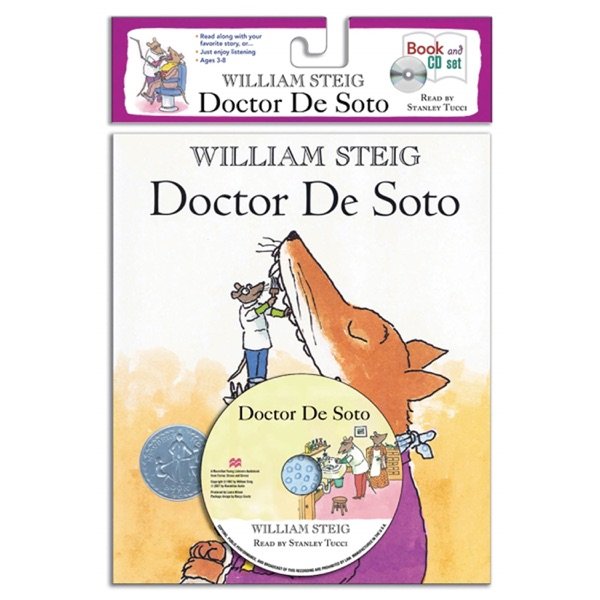
Picture book · ages 4–8 · grades K–3 · 620L · 1982
Steig's most elegant picture book — a genuinely suspenseful setup that resolves not through violence but wisdom, and the illustrations are so precise they teach as much as the story.
We'd skip — for now
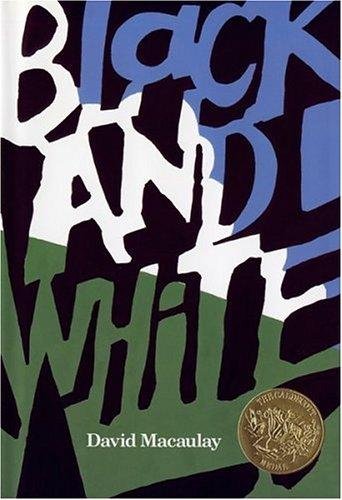
by David Macaulay
A step up — ages 8–12 · grades 3–7
Skip it if your child finds open-ended narratives frustrating or needs explicit narrative closure; the ambiguity is the point.