
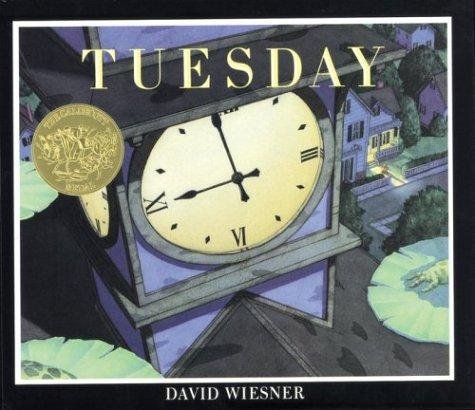
Tuesday
by David Wiesner
Picture book · ages 4–8 · grades K–3
A wordless masterpiece that proves illustration can carry entire narrative — every re-read, kids notice new details and construct different stories from the same pictures.
For a reader who just finished
after It's Halloween by Jack Prelutsky · ages 4–8
Same style
by David Wiesner
Picture book · ages 4–8 · grades K–3
A wordless masterpiece that proves illustration can carry entire narrative — every re-read, kids notice new details and construct different stories from the same pictures.
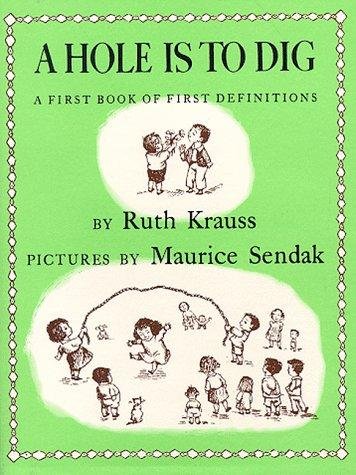
by Ruth Krauss
Picture book · ages 3–7 · grades K–2
A 1950s marvel that still lands—pure linguistic play where each page feels like a small joke the child gets to own, and parents rediscover why metaphor matters.
by Maurice Sendak
Picture book · ages 4–8 · grades K–3 · 450L
Sendak's celebration of joyful chaos and rule-breaking play — the illustrations are the real story, and kids return to this one asking 'read it again?' because the strangeness feels like permission.
Stretch them up
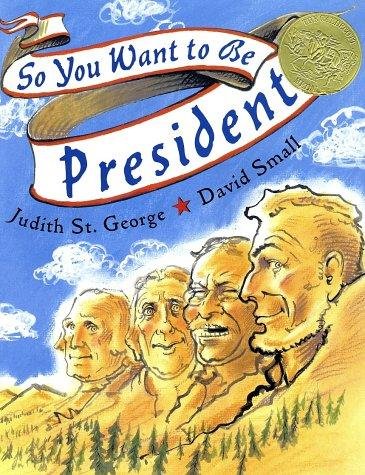
by David Small
Picture book · ages 4–8 · grades K–3 · 620L
A Caldecott winner that makes U.S. history genuinely funny — kids laugh at the absurdity while absorbing real facts about presidents in a format that's pure delight to reread.
by Jerry Pinkney
Picture book · ages 6–10 · grades 1–5 · 650L
Pinkney's watercolors elevate this African American folktale into something transcendent—a story where kindness feels earned, not preachy, and the magic feels like a natural extension of the girl's character.
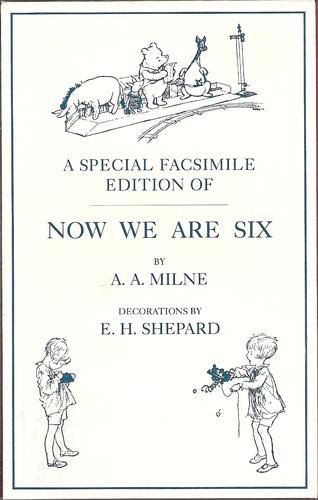
by A. A. Milne
Picture book · ages 4–8 · grades K–3 · 600L
Timeless verse collection with E.H. Shepard's illustrations — the language is playful and linguistically rich without condescension, and children discover they can read 'real poetry' and love it.
Complementing on imagination

by Nancy Willard
Picture book · ages 4–9 · grades K–4 · 620L
A Newbery Medal winner that reads like illustrated poetry — Willard's language is playful and precise, Blake's influence is felt throughout, and children return to it because it feels like a secret.
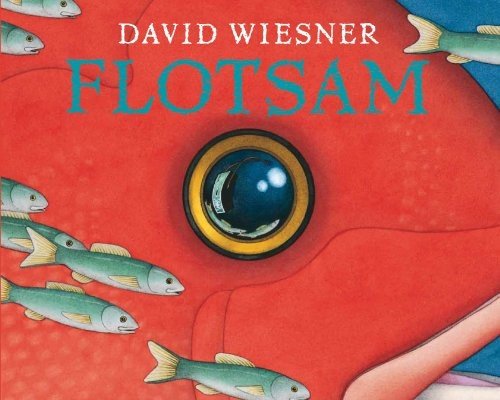
by David Wiesner
Picture book · ages 4–8 · grades K–3
A wordless masterpiece that teaches observation and sparks imagination without a single sentence—kids stare at the panels, construct their own theories, and beg to flip through it again.
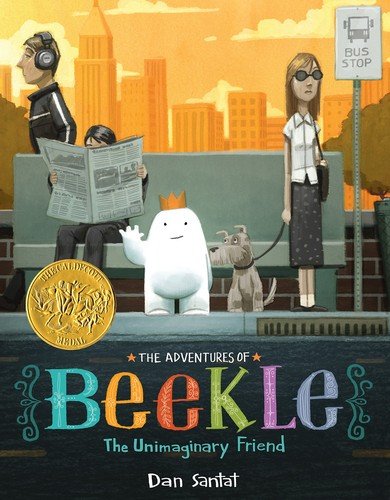
by Dan Santat
Picture book · ages 4–8 · grades K–3 · 620L
A Caldecott winner that genuinely earns it — the wordless passages and Santat's watercolor spreads do more work than the text, and the longing-to-connection arc lands with real emotional weight for kindergarteners and up.
We'd skip — for now
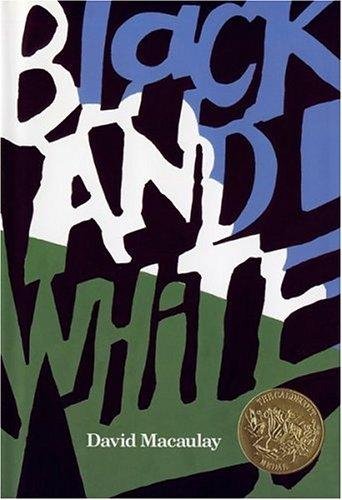
by David Macaulay
A step up — ages 8–12 · grades 3–7
Skip it if your child finds open-ended narratives frustrating or needs explicit narrative closure; the ambiguity is the point.