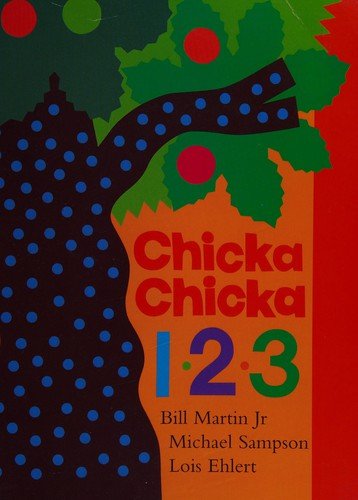
Chicka Chicka 1 2 3
Picture book · ages 2–5 · grade K
A pure-joy readaloud where numbers tumble and bounce; Bill Martin Jr.'s rhythm is infectious, and kids want it again immediately.
For a reader who just finished
after Ghee Happy Gods by Sanjay Patel · ages 4–8
Picture book · grades K–3 · 350L
A charming and visually rich introduction to Hindu mythology that treats the gods as relatable, bumbling characters rather than distant icons.
Same style
Picture book · ages 2–5 · grade K
A pure-joy readaloud where numbers tumble and bounce; Bill Martin Jr.'s rhythm is infectious, and kids want it again immediately.
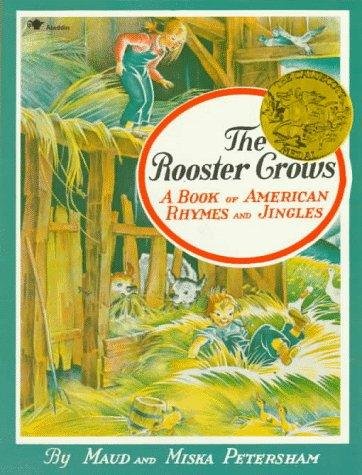
Picture book · ages 3–7 · grades K–2 · 1998
A 1945 Caldecott winner that holds up — pure onomatopoeia and regional American animal sounds, illustrated with warmth; kids love the repetition and the Petershams' art rewards close looking.
by Sherri Duskey Rinker
Picture book · ages 4–8 · grades K–3 · 350L · 2021
A high-energy read-aloud that turns heavy machinery into a slapstick comedy routine; the illustrations do most of the storytelling work.
Stretch them up
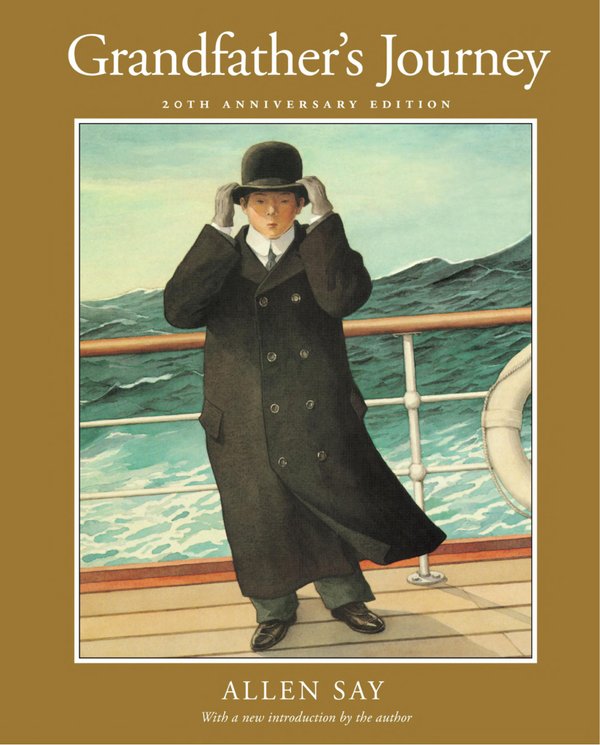
by Allen Say
Picture book · ages 4–8 · grades K–3 · 550L · 2013
A Caldecott winner that earns it—Say's watercolors and mirrored structure teach perspective-taking without sermon, and kids grasp the paradox of home better than most adults.
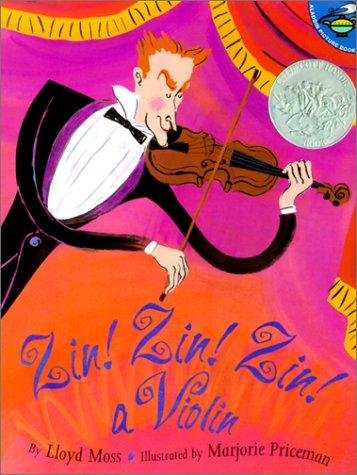
Picture book · ages 4–8 · grades K–3 · 560L
A perfect marriage of onomatopoeia, rhyme, and instrument pedagogy—kids giggle at the sounds while actually learning orchestration, and Priceman's watercolors make each instrument a visual personality.
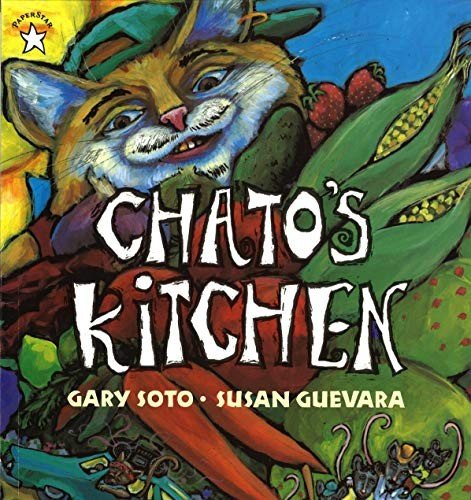
Picture book · ages 4–8 · grades K–3 · 520L · 1997
A genuinely charming meditation on unexpected friendship and cultural warmth—Guevara's art captures East LA texture, and the predator-prey friendship subversion delights without preaching.
Complementing on naming feelings
Verse novel · ages 6–10 · grades 1–5 · 520L · 1998
A masterwork of bilingual wordplay that reads aloud with infectious energy—kids feel seen in the code-switching, and the poems actively teach that two languages in one mind is a superpower, not a problem.
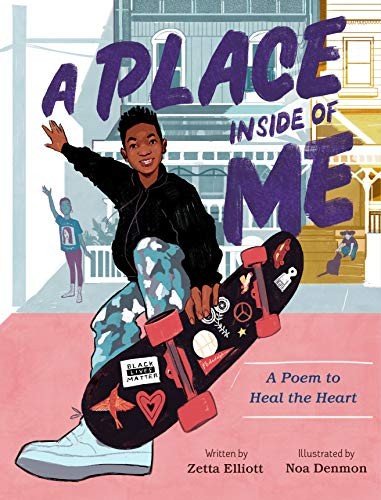
by Noa Denmon
Picture book · ages 4–8 · grades K–3 · 480L
A stunning emotional architecture book — the metaphor of internal rooms for different feelings sticks with kids long after the read, and the illustrations make abstract emotions concrete without sentimentalizing them.
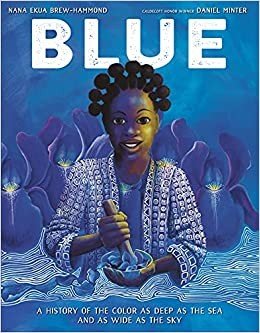
Picture book · ages 4–8 · grades K–3 · 550L · 2022
A lyrical and visually stunning way to teach cultural heritage without it feeling like a lecture; the 'blue' motif is clever enough for older kids but accessible for toddlers.
We'd skip — for now
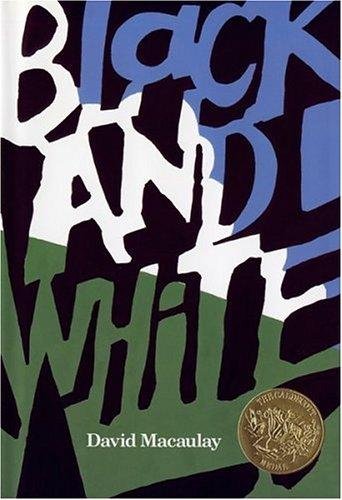
by David Macaulay
A step up — ages 8–12 · grades 3–7
Skip it if your child finds open-ended narratives frustrating or needs explicit narrative closure; the ambiguity is the point.