For a reader who just finished
Books like Gaijin: American Prisoner of War
after Gaijin: American Prisoner of War by Matt Faulkner · ages 8–12
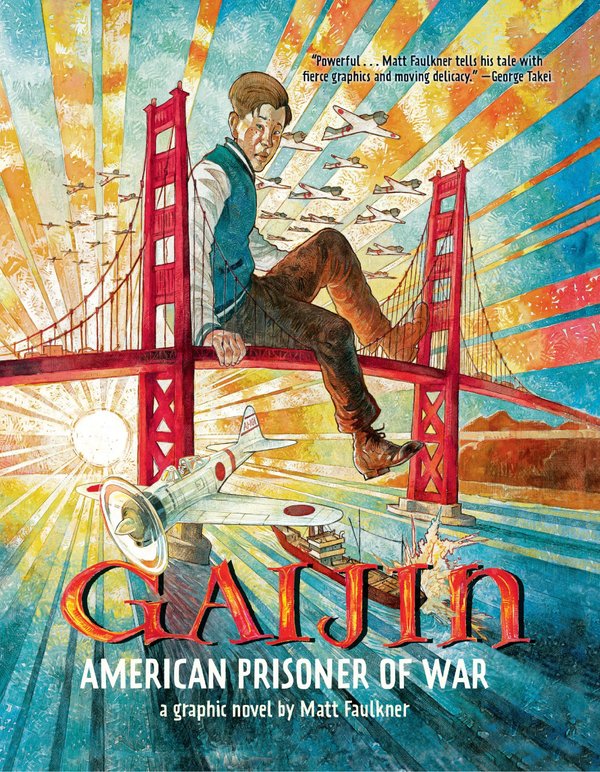
Picture book · grades 3–7 · 750L
A respectful, illustrated account of a real POW's childhood resilience; Faulkner's watercolors humanize without sanitizing, making it an honest entry point to WWII Pacific history for kids ready for real stakes.
Full details →
Same style
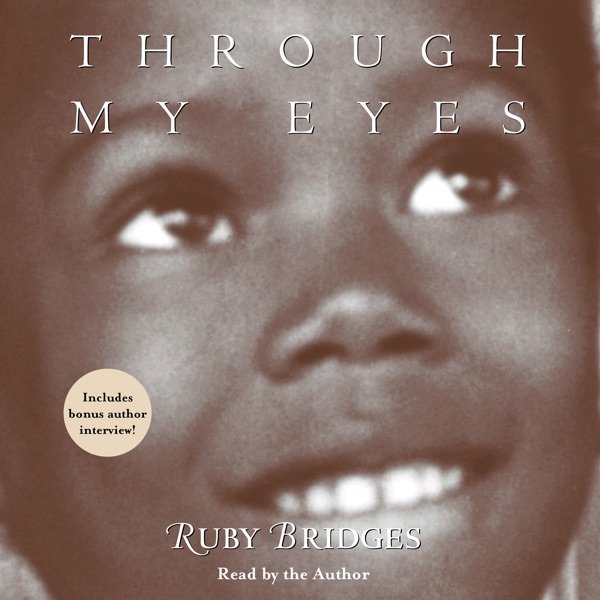
by Ruby Bridges
Picture book · ages 6–10 · grades 1–5 · 620L
The gold standard for introducing desegregation to early readers—Ruby's voice is calm and observant, the pictures are unflinching without being sensationalized, and the book trusts kids to understand why this matters.
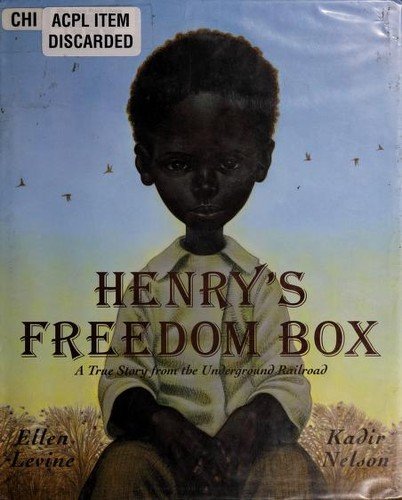
by Kadir Nelson
Picture book · ages 6–9 · grades 1–4 · 620L
A historically grounded, emotionally powerful introduction to slavery and resistance—Nelson's art makes Henry's humanity and terror equally visible, and the true-story frame anchors conversations without preaching.
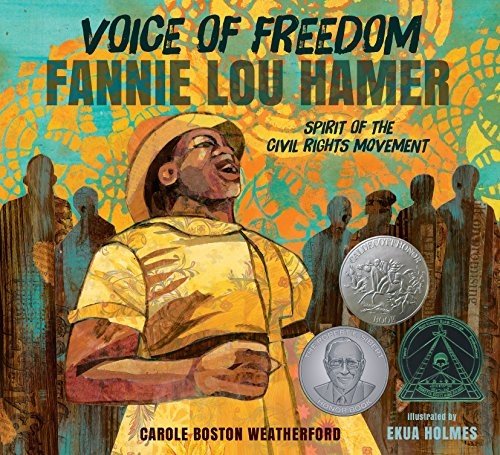
by Ekua Holmes
Picture book · ages 6–9 · grades 1–4 · 620L
A picture book that does not talk down to kids about racism or courage—Holmes's collage art and Hamer's own voice (via quotations) make her resilience vivid and real, not sanitized.
Stretch them up
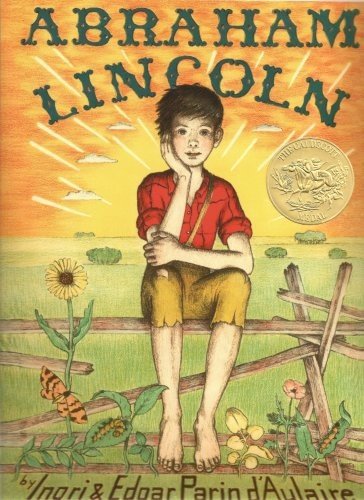
by Ingri and Edgar Parin d'Aulaire
Picture book · ages 6–10 · grades 1–5 · 800L
The d'Aulaires' Lincoln is a masterpiece—sumptuous illustrations and narrative prose that makes a difficult life feel epic and human; kids absorb both the story and a sense of why Lincoln matters.
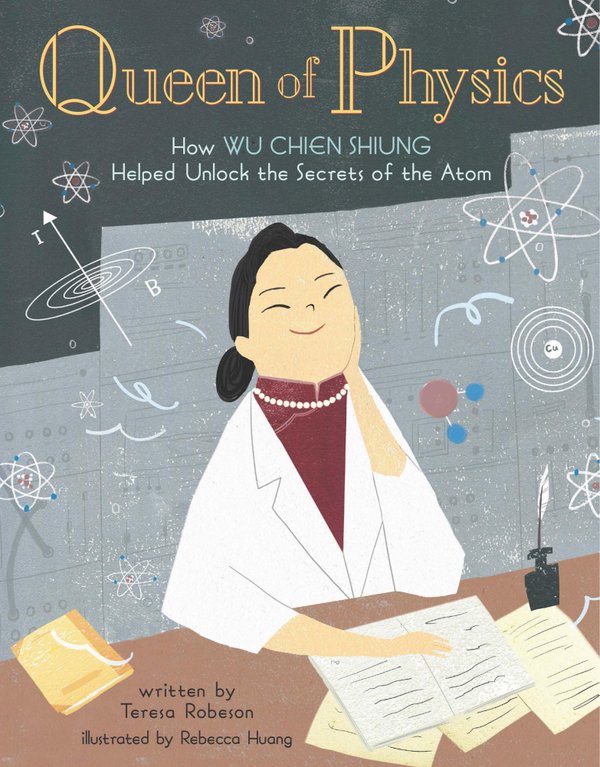
by Teresa Robeson
Picture book · ages 8–12 · grades 3–7 · 820L
A rigorous, visually compelling introduction to a physicist whose breakthrough experiment changed nuclear physics—told without condescension or sentimentality.
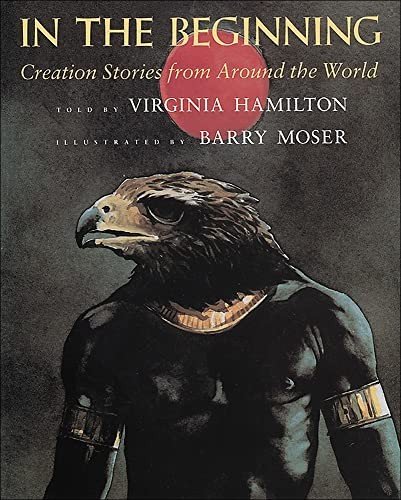
by Virginia Hamilton
Picture book · ages 5–9 · grades K–4 · 820L
Gorgeous, sophisticated, and genuinely restful — Hamilton's prose elevates world mythology without condescension, and Barry Moser's illustrations deepen the dreamlike authority of each story.
Complementing on courage
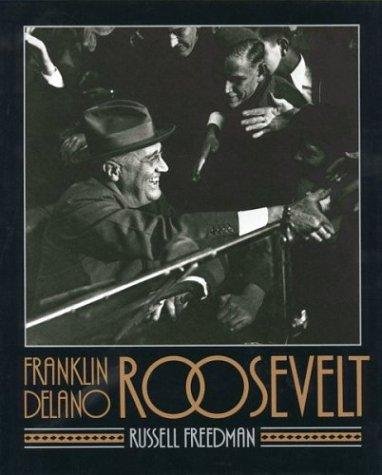
by Russell Freedman
Nonfiction · ages 9–12 · grades 4–7 · 820L
Freedman's accessible, photo-rich biography makes FDR's disability and determination feel immediate without sentimentality; kids grasp both the man and the era.
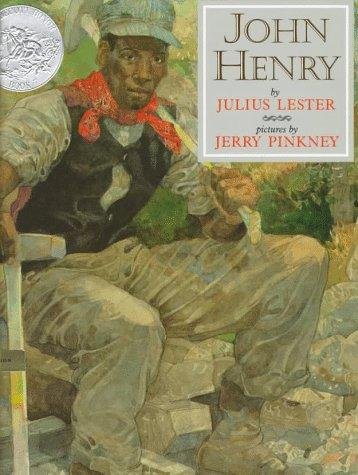
by Jerry Pinkney
Picture book · ages 4–8 · grades K–3
Pinkney's watercolors transform the folk ballad into a visually luminous, emotionally serious meditation on dignity and human worth—the kind of picture book that deepens with rereading and holds up for adult readers.
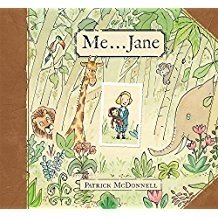
by Patrick McDonnell
Picture book · ages 4–8 · grades K–3 · 620L
McDonnell's watercolor dreaming captures the tender obsession of a girl with animals — this is how most naturalists start, and the book honors that without sentimentality.
We'd skip — for now
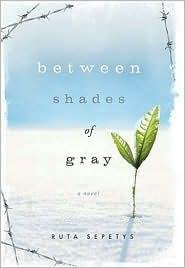
by Ruta Sepetys
A step up — ages 14–18 · grades 9–12
Skip it if your teen has experienced trauma involving detention, starvation, or loss of family—the emotional resonance may retraumatize rather than educate.
