For a reader who just finished
Books like Fast Sam, Cool Clyde, and Stuff
after Fast Sam, Cool Clyde, and Stuff by Walter Dean Myers · ages 10–14
Same style
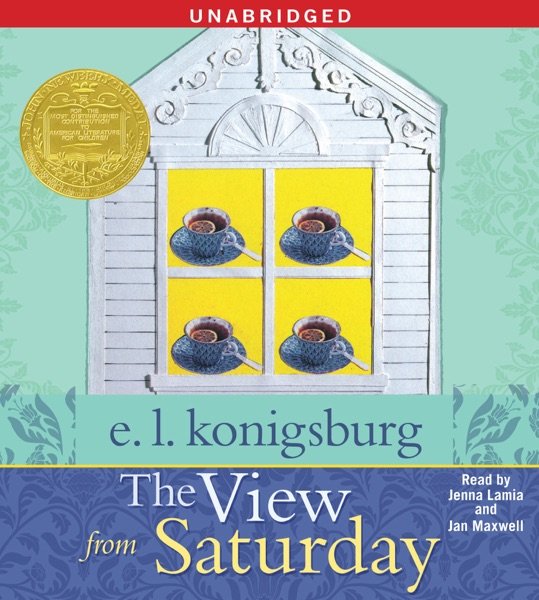
by E. L. Konigsburg
Middle grade · ages 9–12 · grades 4–7 · 760L
A Newbery winner that actually earns it—the fractured, interlocking narratives teach perspective-taking while celebrating intellectual friendship across difference; rereads even better once you catch all the structural puzzles.
by Gary Soto
Middle grade · ages 8–12 · grades 3–7 · 720L
The quietest, most honest middle-grade story collection about being Mexican-American and working-class — no drama, no lesson-learning; just kids noticing their own lives.
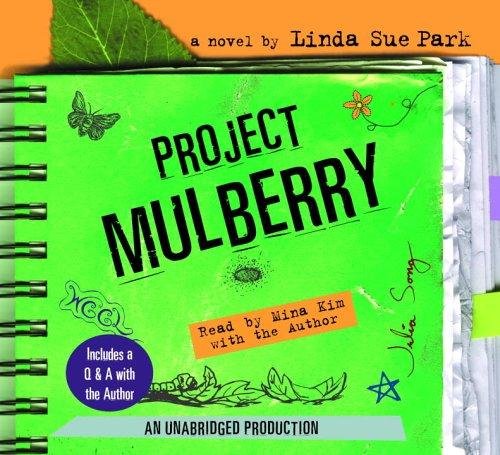
by Linda Sue Park
Middle grade · ages 8–12 · grades 3–7 · 720L
A genuinely honest book about the brittleness of childhood friendship and the quiet work of rebuilding it across cultural distance — Park's dual narrative (Julia and Judy talking back to the author) gives kids language for conflict and repair they rarely hear.
Stretch them up
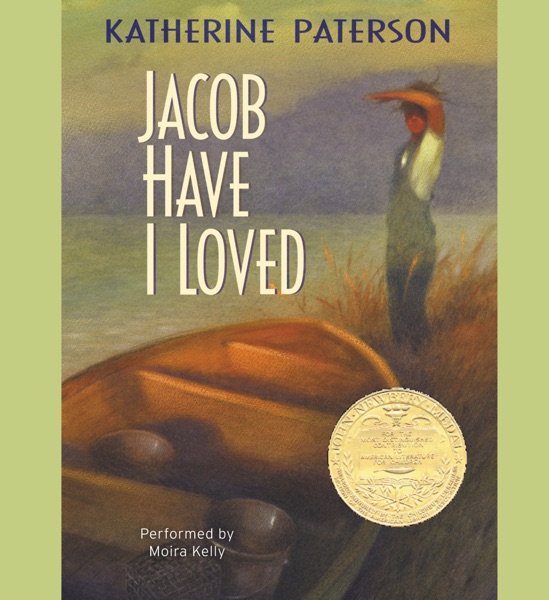
by Katherine Paterson
Middle grade · ages 10–14 · grades 5–9 · 820L
A Newbery winner that actually deserves it—Paterson writes sibling resentment and reconciliation with such honesty that kids recognize their own families, and the 1941 Chesapeake setting carries real historical weight without preaching.
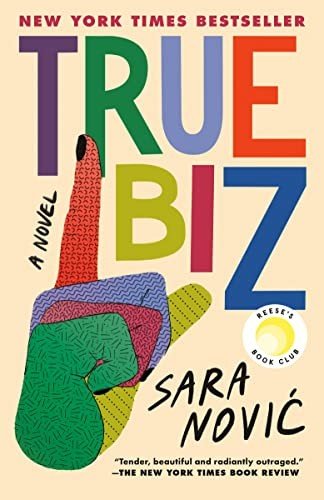
by Sara Nović
Middle grade · ages 10–14 · grades 5–9 · 820L
A genuinely original YA-crossover novel that treats Deaf culture as protagonist, not obstacle—kids learn to think in sign while wrestling with identity questions that feel urgent, not didactic.
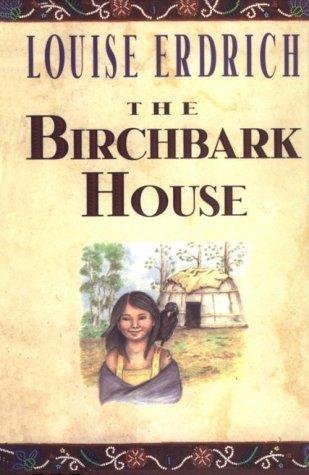
by Louise Erdrich
Middle grade · ages 8–12 · grades 3–7 · 820L
Erdrich's portrait of Omakayas and her family is unsentimental and alive—the smallpox arc is genuinely tragic, the cultural detail is precise, and a child reader walks away understanding Ojibwe life as rich and coherent, not distant or exotic.
Complementing on friendship
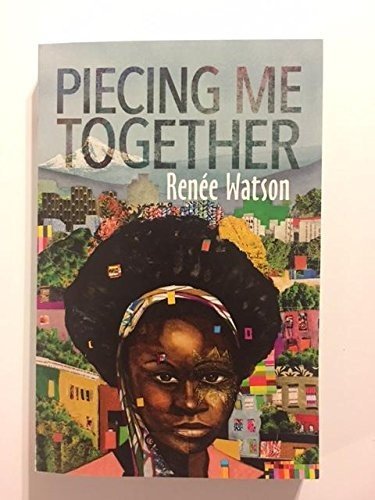
by Renée Watson
Middle grade · ages 10–14 · grades 5–9 · 780L
Quiet, unflinching portrait of a girl learning to trust her own vision—both literal (through collage) and metaphorical—when adults and peers constantly frame her through their own biases; the collage illustrations are structural, not decorative.
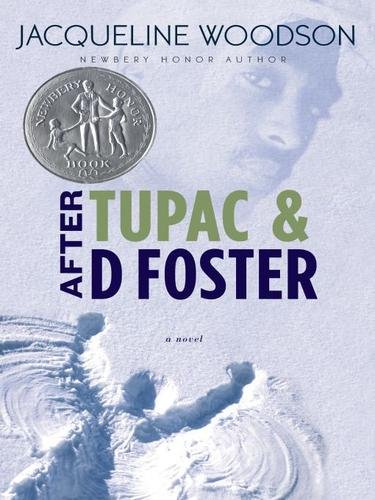
by Jacqueline Woodson
Middle grade · ages 10–14 · grades 5–9 · 720L
Woodson's lyrical prose and unflinching portrayal of 1990s Black girlhood make this a quiet masterpiece—the kind of book that stays with kids long after they finish, reshaping how they think about friendship and loss.
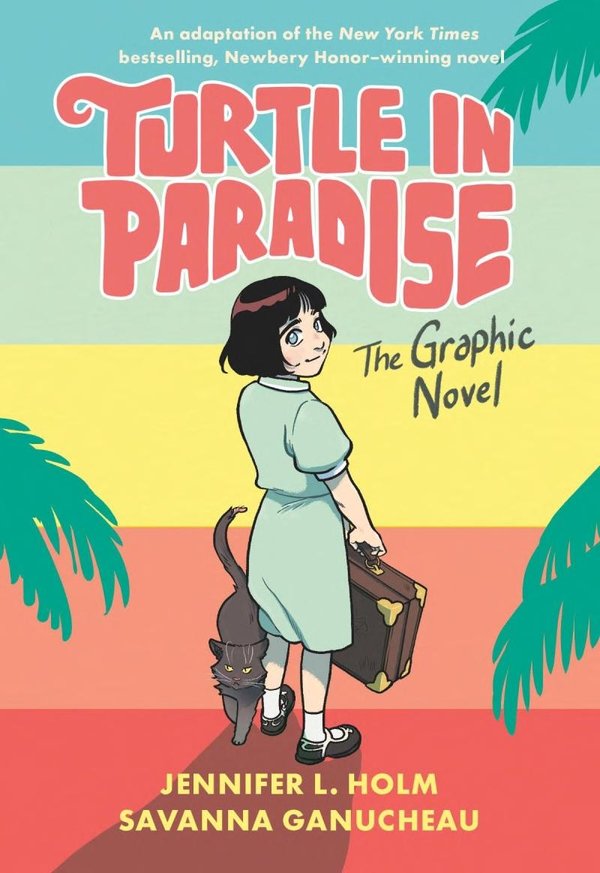
by Jennifer L. Holm
Middle grade · ages 8–12 · grades 3–7 · 760L
A Depression-era jewel that doesn't lecture—Turtle's scrappiness and the vividness of Key West make history immediate, and the message (belonging is something you find, not something you inherit) lands quietly and hard.
We'd skip — for now
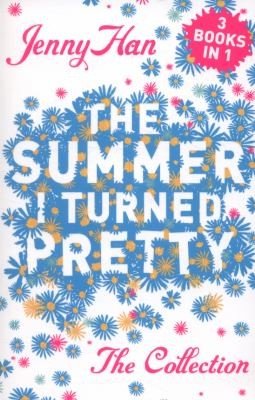
by Jenny Han
A step up — ages 14–18 · grades 9–12
Skip it if your teen is uncomfortable with on-page kissing, mild alcohol use at parties, or unresolved romantic tension spanning three books.
