For a reader who just finished
Books like Baseball in April, and Other Stories
after Baseball in April, and Other Stories by Gary Soto · ages 8–12
Same style
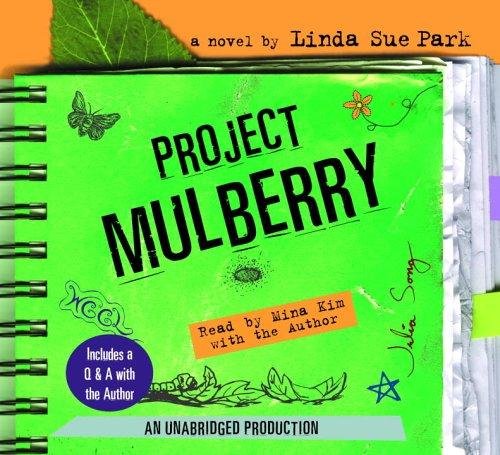
by Linda Sue Park
Middle grade · ages 8–12 · grades 3–7 · 720L
A genuinely honest book about the brittleness of childhood friendship and the quiet work of rebuilding it across cultural distance — Park's dual narrative (Julia and Judy talking back to the author) gives kids language for conflict and repair they rarely hear.
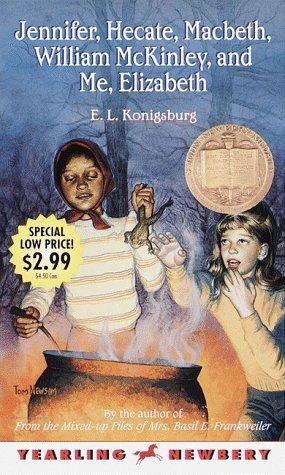
by E. L. Konigsburg
Middle grade · ages 8–12 · grades 3–7 · 720L
A deceptively quiet book about how friendship survives betrayal—Konigsburg trusts kids to notice what Elizabeth misses, and the resolution actually earns its emotional weight.
by Kevin Henkes
Middle grade · ages 8–12 · grades 3–7 · 750L
A quiet, deeply observant novel about a good kid noticing the vulnerability in the adults and peers around him—Henkes' gift for finding real emotion in ordinary moments without sentimentality.
Stretch them up
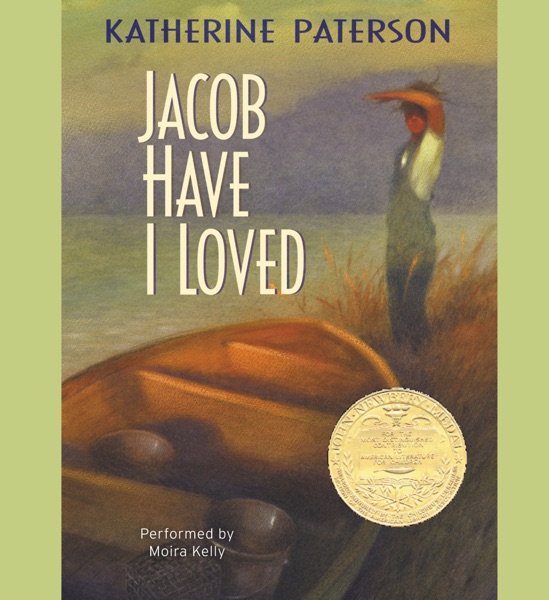
by Katherine Paterson
Middle grade · ages 10–14 · grades 5–9 · 820L
A Newbery winner that actually deserves it—Paterson writes sibling resentment and reconciliation with such honesty that kids recognize their own families, and the 1941 Chesapeake setting carries real historical weight without preaching.
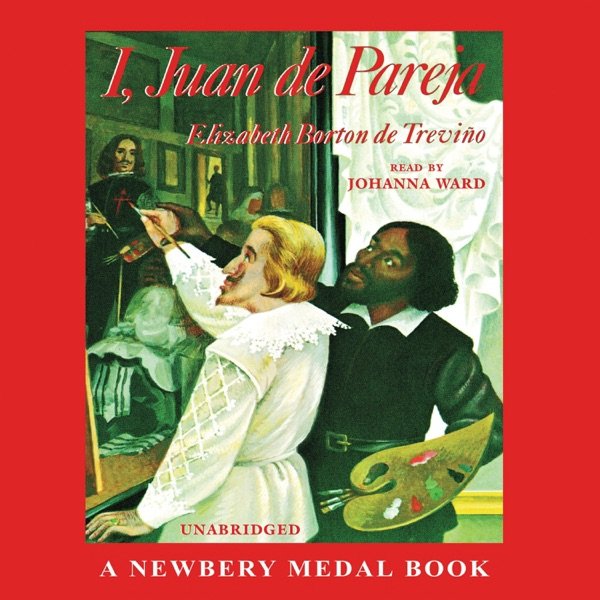
by Elizabeth Borton de Treviño
Middle grade · ages 10–14 · grades 5–9 · 820L
A Newbery winner that doesn't condescend—serious, historically grounded, and genuinely about how one person's refusal to accept powerlessness can remake a life; the prose is elegant and the emotional core is real.
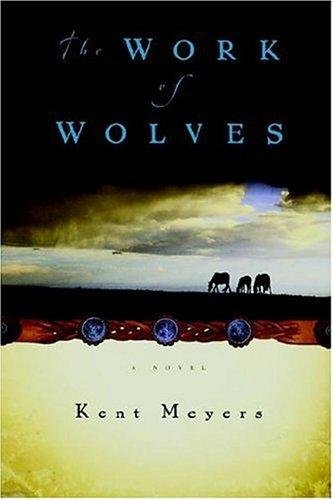
by Kent Meyers
Middle grade · ages 10–14 · grades 5–9 · 780L
Quiet, grounded coming-of-age where a Nebraska kid learns to trust observation over inherited fear—Meyers' prose is deliberate and the wolf ecology is genuinely taught, not romanticized.
Complementing on a good life
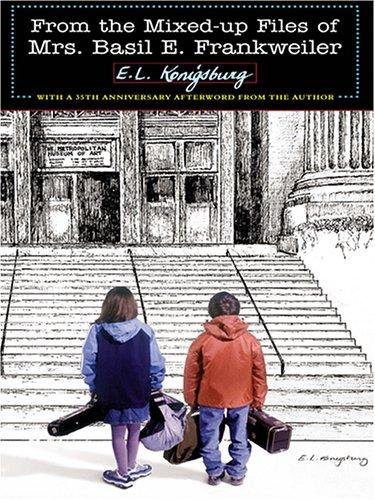
by E. L. Konigsburg
Middle grade · ages 8–12 · grades 3–7 · 790L
A book that trusts kids to be intellectually bored and emotionally complex—Claudia's runaway isn't melodrama, it's a quiet reckoning with identity that lands harder on rereads.
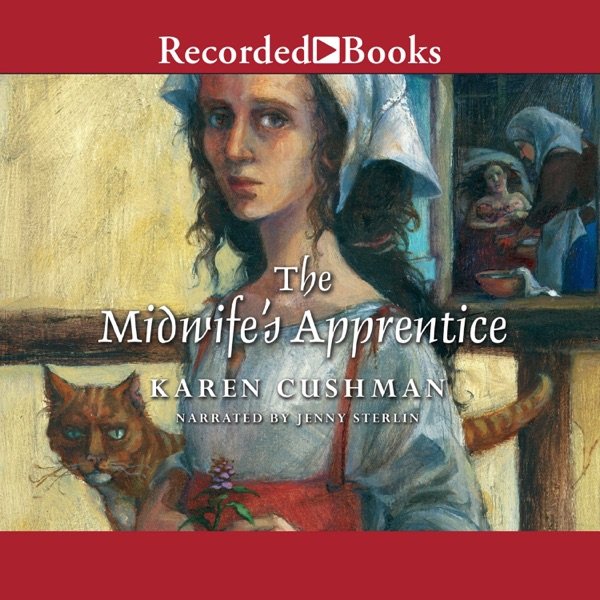
by Karen Cushman
Middle grade · ages 10–14 · grades 5–9 · 780L
A Newbery winner that earns it: a girl with no name becomes herself through honest work and adult recognition; the medieval setting and childbirth apprenticeship feel urgent and real, not decorative.
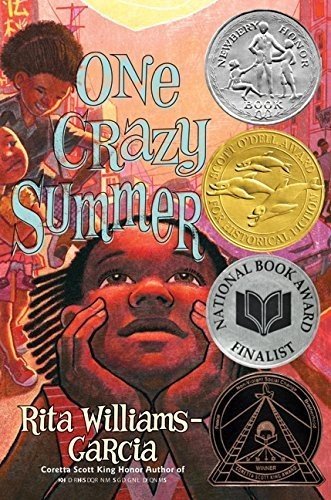
by Rita Williams-Garcia
Middle grade · ages 8–12 · grades 3–7 · 750L
A richly layered book about sisterhood, identity, and reckoning with parental complexity that treats kids' emotional intelligence seriously—the ending doesn't tidy up, which is exactly why it stays with them.
We'd skip — for now
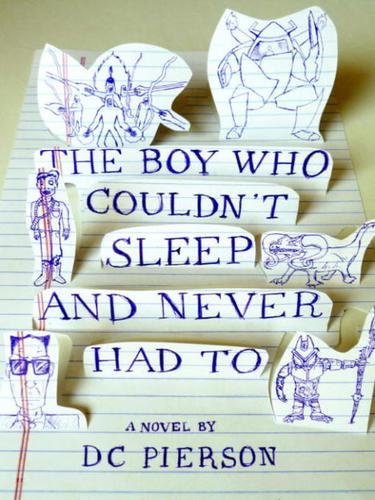
by DC Pierson
A step up — ages 12–15 · grades 7–10
Skip it if your child has unmedicated ADHD and finds books about hyperactive protagonists overstimulating — Darren's racing mind might feel too familiar in a difficult way.
