For a reader who just finished
Books like After Tupac and D Foster
after After Tupac and D Foster by Jacqueline Woodson · ages 10–14
Same style
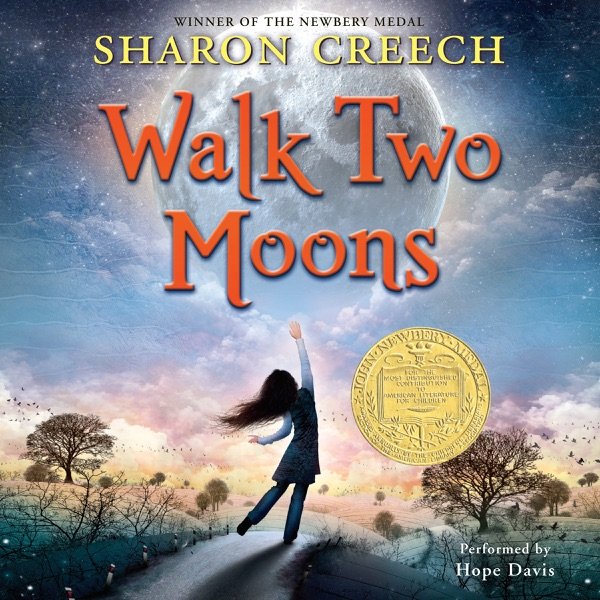
by Sharon Creech
Middle grade · ages 10–14 · grades 5–9 · 730L
A quiet masterpiece about grief and belonging—lyrical without being precious, and the nested story structure rewards active reading in ways that change how kids think about empathy.
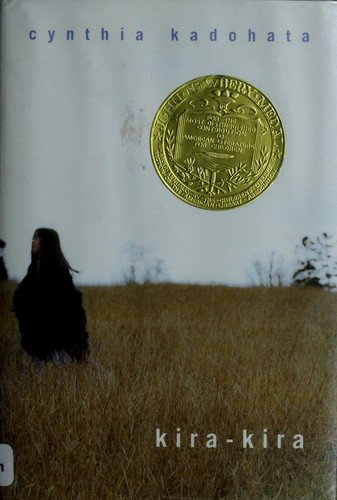
by Cynthia Kadohata
Middle grade · ages 10–14 · grades 5–9 · 730L
A Newbery winner that earns it—poignant without sentimentality, and the only book in this age range that teaches a child what it means to grieve a sibling while honoring their legacy.
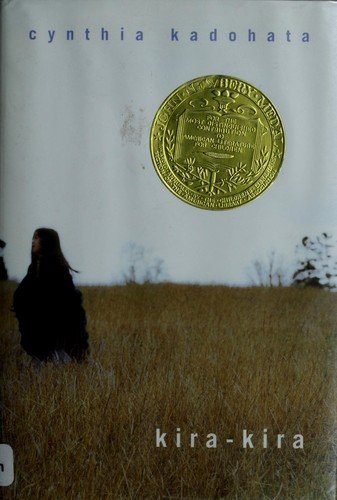
by Cynthia Kadohata
Middle grade · ages 10–14 · grades 5–9 · 730L
A Newbery winner that earns it—poignant without sentimentality, and the only book in this age range that teaches a child what it means to grieve a sibling while honoring their legacy.
Stretch them up
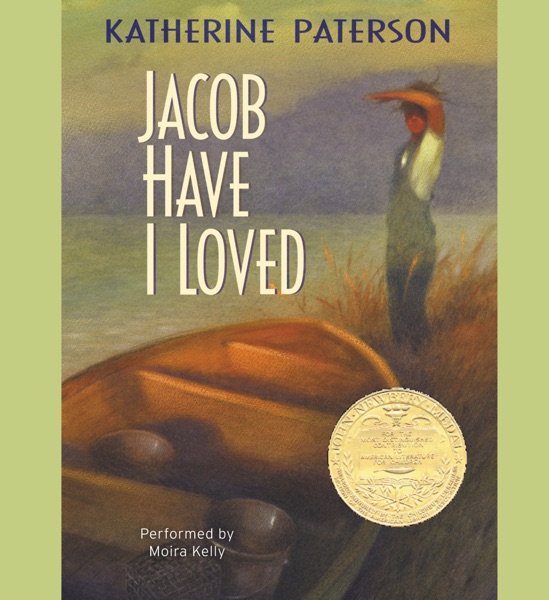
by Katherine Paterson
Middle grade · ages 10–14 · grades 5–9 · 820L
A Newbery winner that actually deserves it—Paterson writes sibling resentment and reconciliation with such honesty that kids recognize their own families, and the 1941 Chesapeake setting carries real historical weight without preaching.
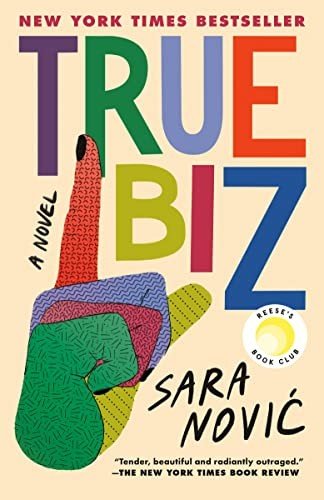
by Sara Nović
Middle grade · ages 10–14 · grades 5–9 · 820L
A genuinely original YA-crossover novel that treats Deaf culture as protagonist, not obstacle—kids learn to think in sign while wrestling with identity questions that feel urgent, not didactic.
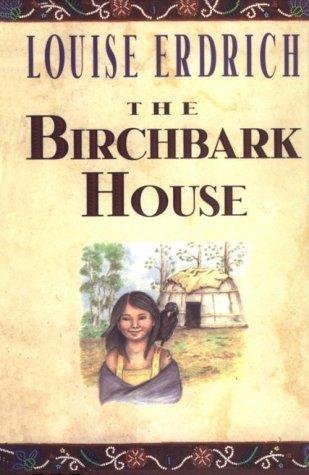
by Louise Erdrich
Middle grade · ages 8–12 · grades 3–7 · 820L
Erdrich's portrait of Omakayas and her family is unsentimental and alive—the smallpox arc is genuinely tragic, the cultural detail is precise, and a child reader walks away understanding Ojibwe life as rich and coherent, not distant or exotic.
Complementing on friendship
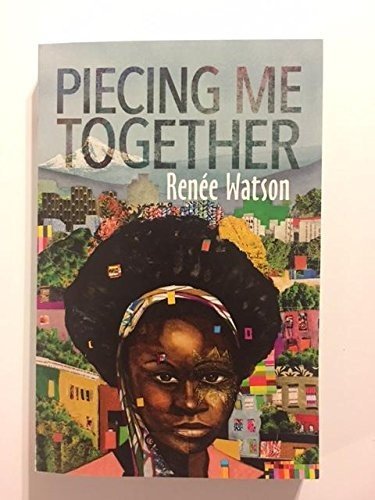
by Renée Watson
Middle grade · ages 10–14 · grades 5–9 · 780L
Quiet, unflinching portrait of a girl learning to trust her own vision—both literal (through collage) and metaphorical—when adults and peers constantly frame her through their own biases; the collage illustrations are structural, not decorative.
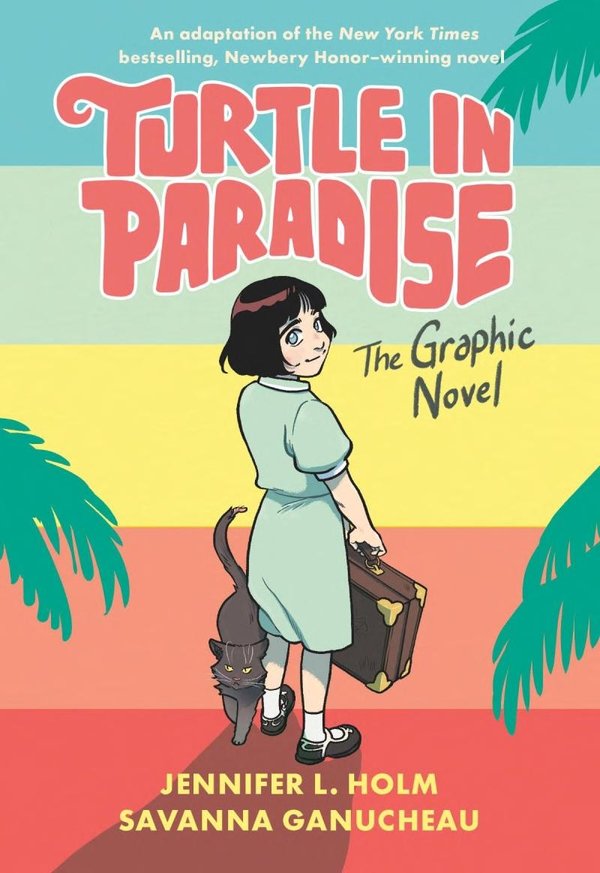
by Jennifer L. Holm
Middle grade · ages 8–12 · grades 3–7 · 760L
A Depression-era jewel that doesn't lecture—Turtle's scrappiness and the vividness of Key West make history immediate, and the message (belonging is something you find, not something you inherit) lands quietly and hard.
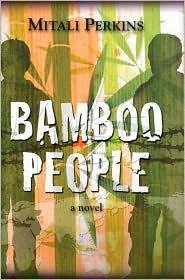
by Mitali Perkins
Middle grade · ages 10–14 · grades 5–9 · 760L
A genuinely serious middle-grade book about the Myanmar–Thailand border crisis that trusts kids to hold complexity without patronizing them; the dual narrative is a structural masterstroke.
We'd skip — for now

by Dustin Thao
A step up — ages 14–18 · grades 9–12
Skip it if your teen is actively suicidal or in acute grief crisis (this is processing, not crisis support); skip if detailed exploration of suicide ideation/death is too soon for them.
