For a reader who just finished
Books like DORK DIARIES
after DORK DIARIES by Rachel Renée Russell · ages 9–12
Same style
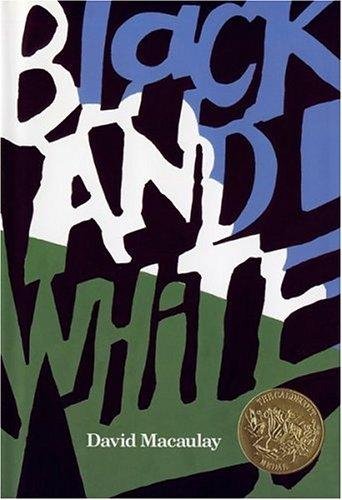
by David Macaulay
Picture book · ages 8–12 · grades 3–7 · 620L
A masterpiece of visual storytelling and structural trickery — kids who crack the puzzle of how the four stories interconnect feel like geniuses, and Macaulay's deadpan illustrations deliver the punchline.
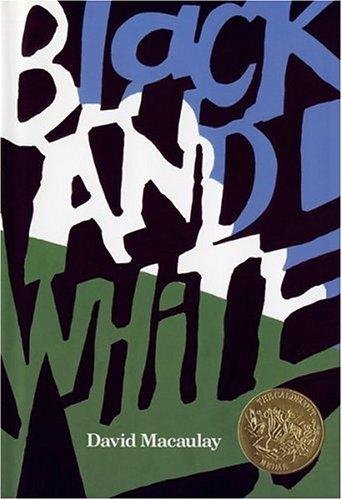
by David Macaulay
Picture book · ages 8–12 · grades 3–7 · 620L
A masterpiece of visual storytelling and structural trickery — kids who crack the puzzle of how the four stories interconnect feel like geniuses, and Macaulay's deadpan illustrations deliver the punchline.
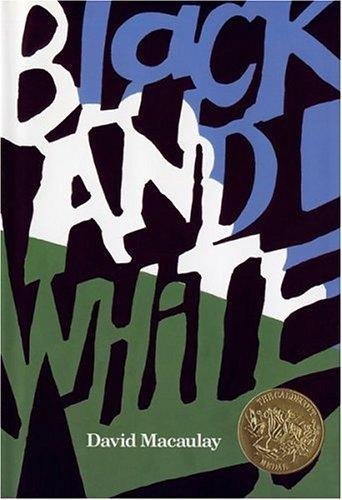
by David Macaulay
Picture book · ages 8–12 · grades 3–7 · 620L
A masterpiece of visual storytelling and structural trickery — kids who crack the puzzle of how the four stories interconnect feel like geniuses, and Macaulay's deadpan illustrations deliver the punchline.
Complementing on navigating difference
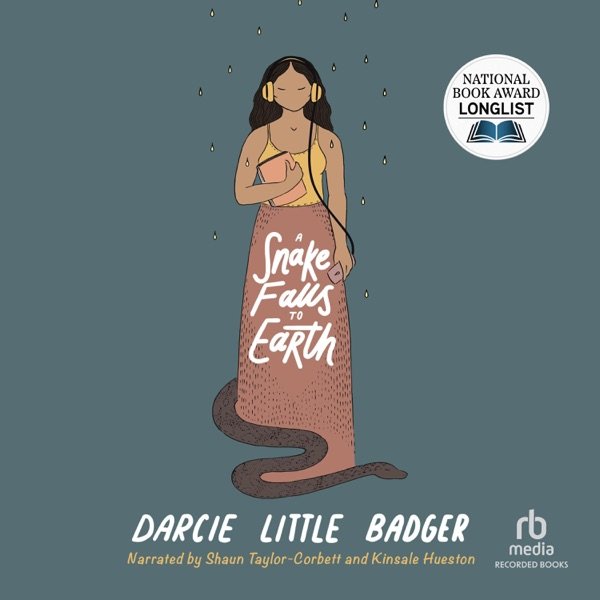
by Darcie Little Badger
Middle grade · ages 10–14 · grades 5–9 · 720L
A genuinely original middle-grade fantasy that centers Indigenous worldview and disability without sentimentality—the magic feels earned, the protagonist is unflinching, and the prose is gorgeous without being flowery.
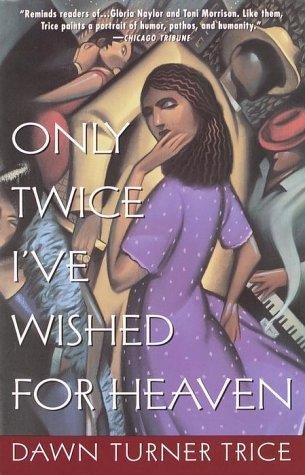
by Dawn Turner Trice
Middle grade · ages 10–14 · grades 5–9 · 780L
A rare middle-grade novel that trusts readers to hold competing truths about integration, class, and loyalty—emotionally intelligent without being preachy, and genuinely unsettling in the best way.
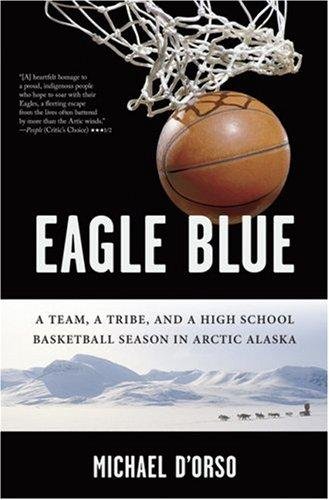
by Michael D'Orso
Nonfiction · age 10+ · grade 5+ · 1010L
A rare, unsentimental portrait of Indigenous teens navigating identity and community pressure through sport—more reportage than inspiration, which makes it real and durable.
We'd skip — for now
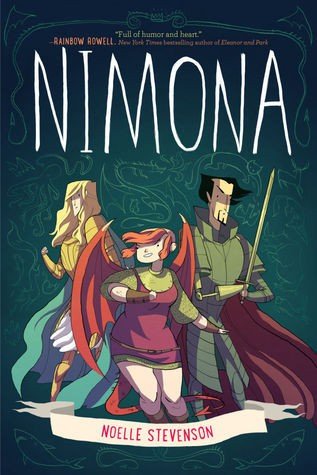
by ND Stevenson
A step up — ages 14–18 · grades 9–12
Skip it if your teen is uncomfortable with ambiguous gender expression, on-page violence (fight scenes, blood), or stories that linger on grief and betrayal before resolution.
