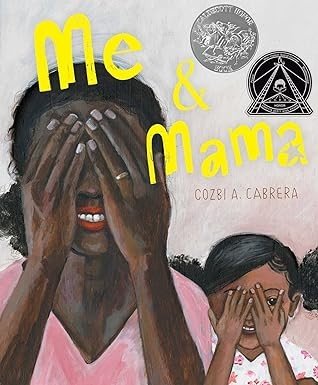
Me & Mama
Picture book · ages 3–7 · grades K–2 · 2020
A quiet, deeply affirming portrait of a Black mother and son that celebrates ordinary joy without sentimentality—the illustrations are luminous and kids absorb the love on every page.
For a reader who just finished
after Clementine the Chameleon by Viola Maranzu · ages 4–8
Picture book · grades K–3 · 350L
A gentle, low-stakes entry point for discussing self-acceptance and emotional regulation with preschoolers.
Same style
Picture book · ages 3–7 · grades K–2 · 2020
A quiet, deeply affirming portrait of a Black mother and son that celebrates ordinary joy without sentimentality—the illustrations are luminous and kids absorb the love on every page.
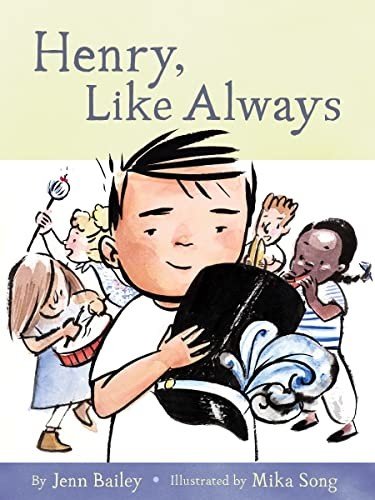
by Jenn Bailey
Picture book · ages 3–7 · grades K–2 · 350L
A genuinely tender picture book about the unremarkable, steadfast affection of a pet—no plot twists, just a cat being kind by showing up the same way every day.
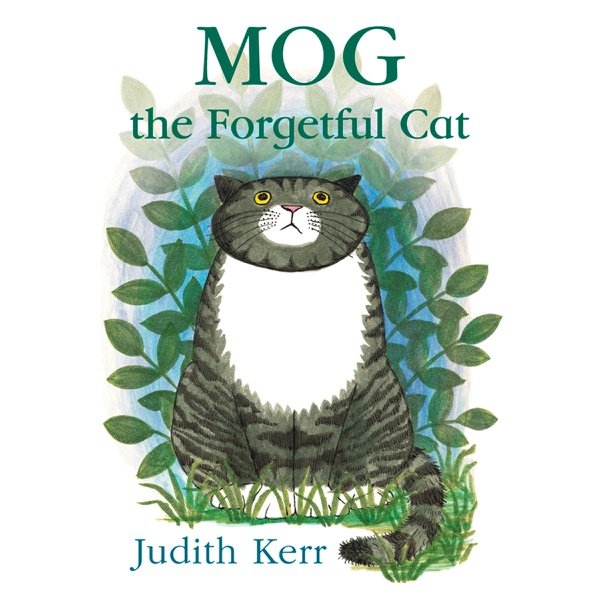
by Judith Kerr
Picture book · ages 3–7 · grades K–2 · 380L · 2008
Warm, gently funny, and endlessly rereadable—Kerr's illustrations make Mog's confusion and the family's exasperation unmistakably clear, and kids recognize themselves in loving something imperfect.
Stretch them up
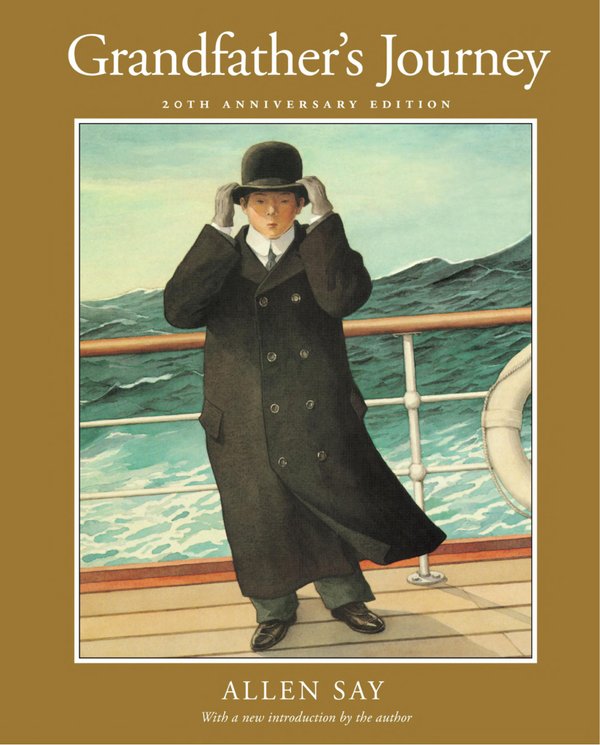
by Allen Say
Picture book · ages 4–8 · grades K–3 · 550L · 2013
A Caldecott winner that earns it—Say's watercolors and mirrored structure teach perspective-taking without sermon, and kids grasp the paradox of home better than most adults.
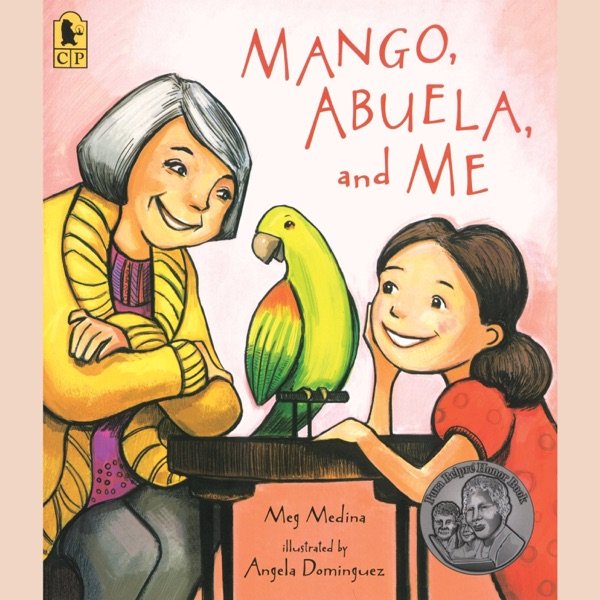
by Meg Medina
Picture book · ages 4–8 · grades K–3 · 550L · 2019
A quiet, luminous picture book about what gets carried across generations—language, memory, resilience—told through a mango tree; the illustrations by Angela Dominguez are essential to the emotional weight.
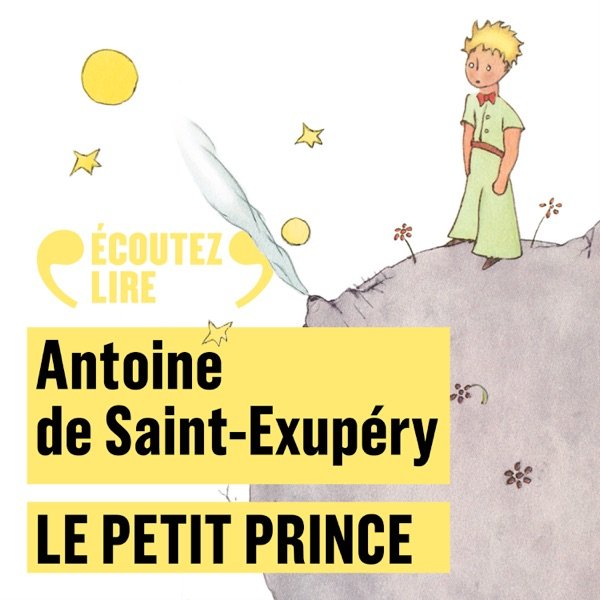
Picture book · ages 4–8 · grades K–3 · 550L · 2021
A genuine masterpiece that reads as allegory to adults and pure story-magic to kids; the watercolor and poetic language linger long after the last page.
Complementing on naming feelings
Verse novel · ages 6–10 · grades 1–5 · 520L · 1998
A masterwork of bilingual wordplay that reads aloud with infectious energy—kids feel seen in the code-switching, and the poems actively teach that two languages in one mind is a superpower, not a problem.
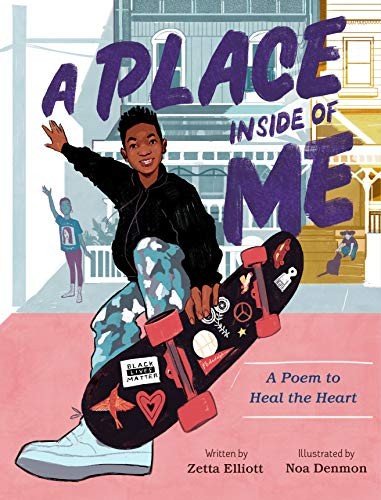
by Noa Denmon
Picture book · ages 4–8 · grades K–3 · 480L
A stunning emotional architecture book — the metaphor of internal rooms for different feelings sticks with kids long after the read, and the illustrations make abstract emotions concrete without sentimentalizing them.
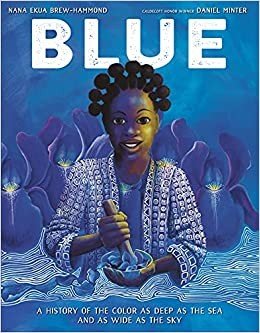
Picture book · ages 4–8 · grades K–3 · 550L · 2022
A lyrical and visually stunning way to teach cultural heritage without it feeling like a lecture; the 'blue' motif is clever enough for older kids but accessible for toddlers.
We'd skip — for now
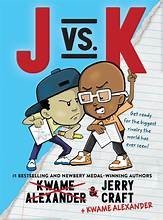
by Kwame Alexander and Jerry Craft
A step up — ages 8–12 · grades 3–7
Skip it if your child has been hurt by a close friendship breakup recently and isn't ready for that arc yet.