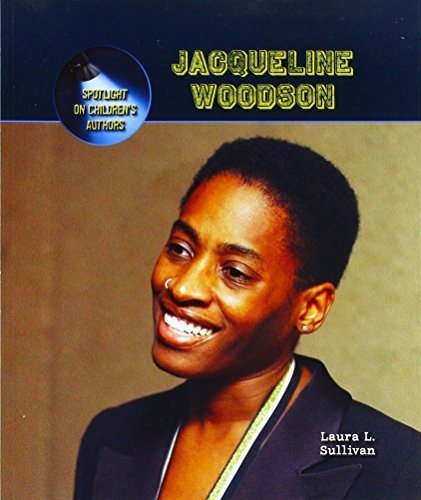
Jacqueline Woodson
Verse novel · ages 8–12 · grades 3–7 · 680L
Woodson's verse breaks open a boy's inner life during family upheaval with such grace that even reluctant readers lean in; this is how you teach kids to feel their feelings.
For a reader who just finished
after Chlorine Sky by Mahogany L. Browne · ages 13–16
Verse novel · grades 8–11 · 850L
A lyrical and essential guide for any teen navigating the turbulent waters of identity and anxiety; the verse form makes heavy emotional territory accessible without being preachy.
Same style
Verse novel · ages 8–12 · grades 3–7 · 680L
Woodson's verse breaks open a boy's inner life during family upheaval with such grace that even reluctant readers lean in; this is how you teach kids to feel their feelings.
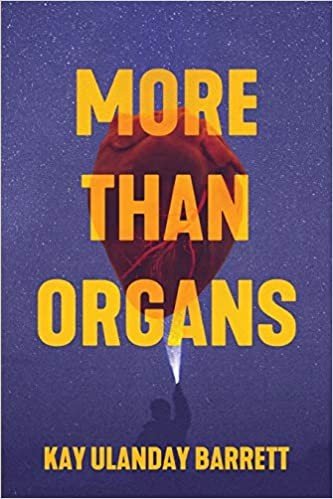
Verse novel · ages 14–18 · grades 9–12 · 800L
Verse memoir that teaches disabled and trans teens their own bodies and identities matter—spare, fierce, and deeply validating in a way few YA books achieve.
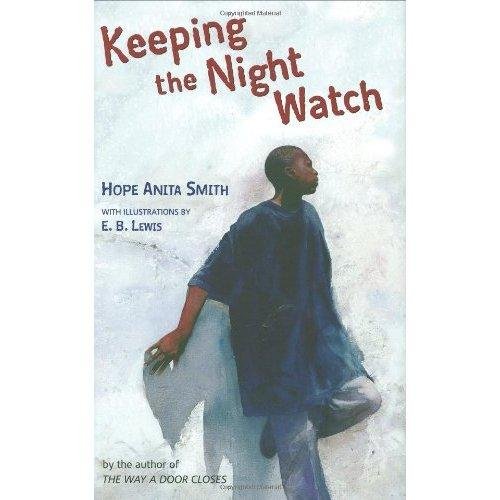
Verse novel · ages 8–12 · grades 3–7 · 620L · 2014
A quiet, heartbreaking verse novel that reaches kids at exactly the moment they can hold adult grief — the narrator's love for his father becomes the real story beneath the war.
Complementing on naming feelings
Verse novel · ages 6–10 · grades 1–5 · 520L · 1998
A masterwork of bilingual wordplay that reads aloud with infectious energy—kids feel seen in the code-switching, and the poems actively teach that two languages in one mind is a superpower, not a problem.
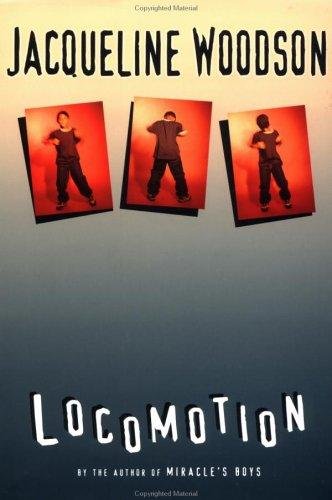
Verse novel · ages 9–12 · grades 4–7 · 680L · 2003
A masterwork of grief told in verse — Woodson's spare, exact language lets kids name loss they may not have words for, and the ending models hope without erasure.
Middle grade · ages 8–12 · grades 3–7 · 740L · 1999
A watershed book for most kids who read it—not because it's cheerful, but because it takes grief seriously and shows that imagination can be both escape and source of real connection.
We'd skip — for now
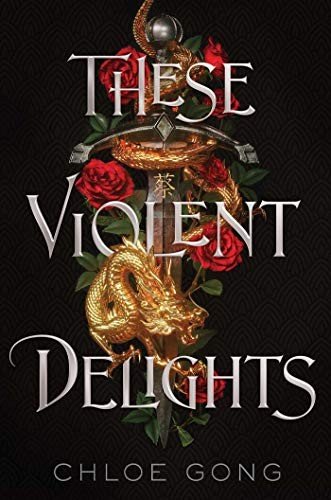
by Chloe Gong
A step up — ages 16–18 · grades 11–12
Skip it if your teen is unsettled by sustained gang violence, family trauma, or morally gray protagonists who do harm; also skip if 1920s history doesn't engage them—the setting is integral, not decorative.