For a reader who just finished
Books like Keeping the Night Watch
after Keeping the Night Watch by Hope Anita Smith · ages 8–12
Same style
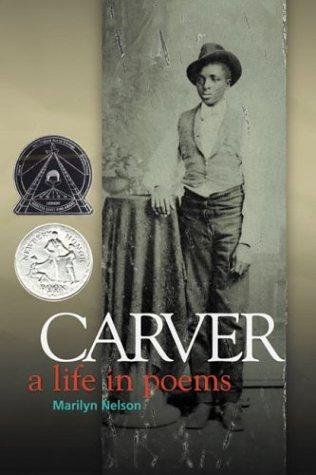
by Marilyn Nelson
Verse novel · ages 10–14 · grades 5–9 · 680L
A Newbery honor masterpiece—Nelson's verse about Carver is luminous and accessible, quietly showing how a Black scientist built a life of consequence through teaching and care; kids encounter real historical racism without trauma, and genuine intellectual courage.
by Patricia Reilly Giff
Middle grade · ages 8–12 · grades 3–7 · 750L
A quiet, unflinching portrait of foster-care experience that doesn't sentimentalize; Hollis's voice and her drawings carry the emotional weight of a child learning to trust again.
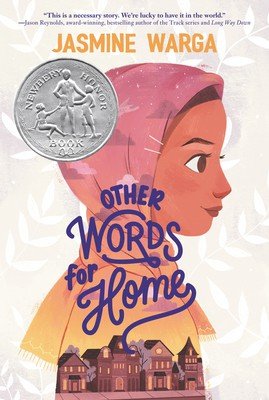
by Jasmine Warga
Verse novel · ages 8–12 · grades 3–7 · 680L
A visceral, unsentimental portrait of displacement told in verse that lets the prose breathe—kid readers feel Jude's dislocation without the book ever lecturing them about it.
Complementing on courage
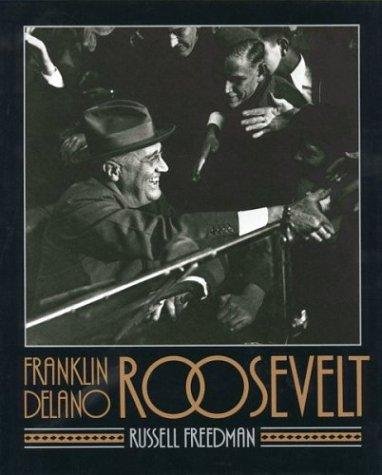
by Russell Freedman
Nonfiction · ages 9–12 · grades 4–7 · 820L
Freedman's accessible, photo-rich biography makes FDR's disability and determination feel immediate without sentimentality; kids grasp both the man and the era.

by Eloise Greenfield
Picture book · ages 6–9 · grades 1–4 · 620L
Eloise Greenfield's only children's book about the Great Migration—lyrical, historically grounded, and emotionally honest without being heavy; the illustrations anchor abstract history in real bodies and faces.
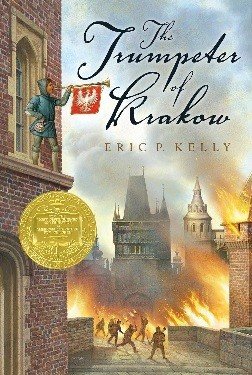
by Eric P. Kelly
Middle grade · ages 8–12 · grades 3–7 · 800L
A Newbery winner that feels genuinely historical without being a slog — the mystery of the trumpet and the boy's quiet bravery make it memorable for kids who can handle older prose.
We'd skip — for now
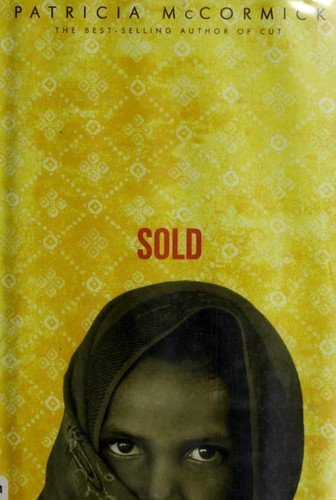
by Patricia McCormick
A step up — ages 12–18 · grades 7–12
Skip it if your teen has experienced sexual trauma and isn't ready for a first-person account of trafficking and exploitation; read it yourself first and discuss.
