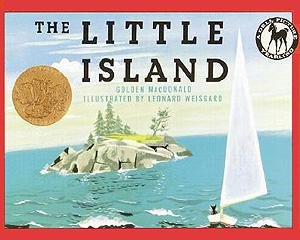
The Little Island
Picture book · ages 4–8 · grades K–3 · 450L
A Caldecott winner that works as pure mood piece—lyrical, visually sumptuous, and genuinely calming on reread, though some kids find the abstraction frustrating.
For a reader who just finished
after Be Wild by Leigh Crandall · ages 3–7
Picture book · grades K–2 · 450L
A gentle, visually rich invitation to see the world as a web of living things rather than just pretty pictures.
Same style
Picture book · ages 4–8 · grades K–3 · 450L
A Caldecott winner that works as pure mood piece—lyrical, visually sumptuous, and genuinely calming on reread, though some kids find the abstraction frustrating.
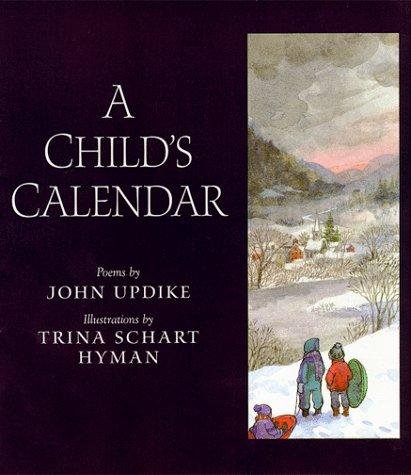
Picture book · ages 4–8 · grades K–3 · 2004
Hyman's illustrations are the real content here—gorgeous, detailed, and patient; perfect for reading aloud across a whole year or dipping into by season.
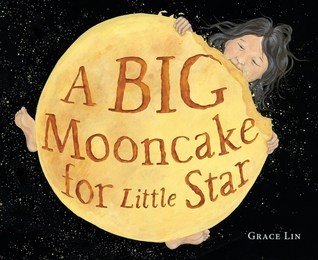
by Grace Lin
Picture book · ages 3–7 · grades K–2 · 380L · 2018
Grace Lin's most lyrical picture book — the art and text whisper rather than sing, and a parent reading it aloud will find themselves slowing down, which is the whole point.
Stretch them up
by Leo Politi
Picture book · ages 4–8 · grades K–3 · 620L · 1999
A 1946 Newbery winner that holds up: lyrical, culturally grounded, and teaches patient observation without preaching—the swallows are a genuine draw, not a metaphor.
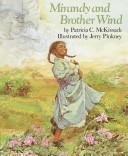
Picture book · ages 4–8 · grades K–3 · 620L
A stunning picture book that weaves African American folklore, Southern rural life, and genuine emotional stakes—Pinkney's illustrations alone are worth revisiting, and Mirandy's problem-solving arc models courage without sentimentality.
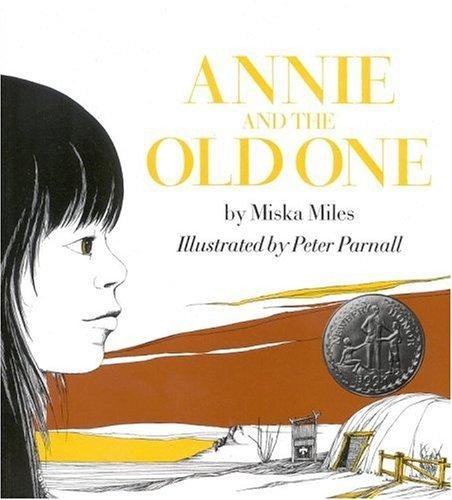
by Miska Miles
Picture book · ages 5–9 · grades K–4 · 620L · 1990
A quietly devastating and honest book about mortality—the Old One's acceptance and the weaving metaphor stick with kids for years, and it doesn't sugarcoat grief or pretend death is anything other than what it is.
Complementing on observation evidence
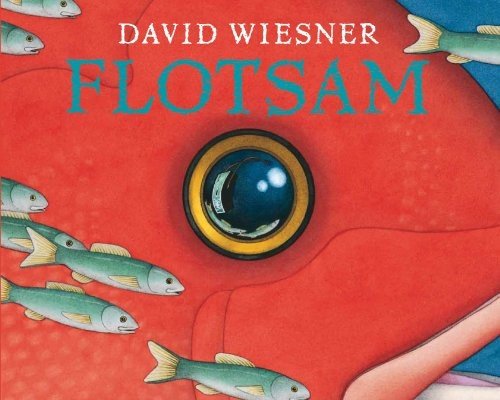
Picture book · ages 4–8 · grades K–3 · 2001
A wordless masterpiece that teaches observation and sparks imagination without a single sentence—kids stare at the panels, construct their own theories, and beg to flip through it again.
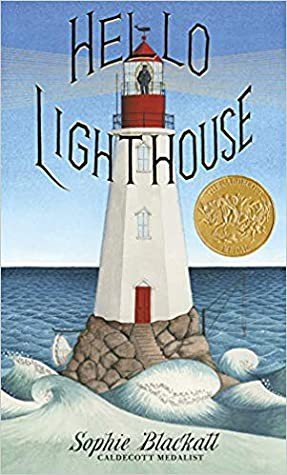
Picture book · ages 4–8 · grades K–3 · 2018
A quiet masterpiece—Sophie Blackall's illustrations carry the entire emotional weight; the text is minimal but the repeated visual rhythm teaches observation and calm better than any preachy picture book could.
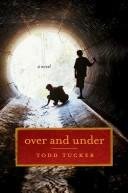
by Todd Tucker
Picture book · ages 4–8 · grades K–3 · 600L · 2009
A quiet masterpiece that teaches observation without a word of didacticism—kids naturally want to lift the flaps and peek, building real naturalist instincts.
We'd skip — for now
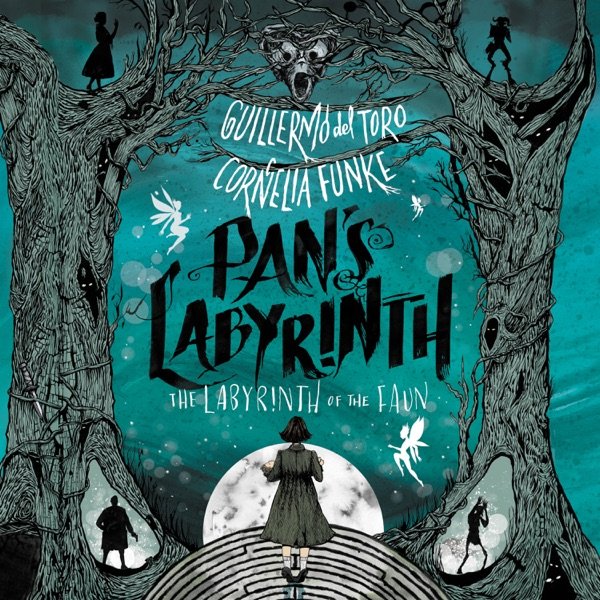
by Guillermo del Toro
A step up — ages 8–12 · grades 3–7
Skip it if your child has been distressed by wartime violence, death, or malevolent adults in authority — the stepfather is menacing and several scenes depict harm without resolution.