For a reader who just finished
Books like APPLE
after APPLE by David Pogue · ages 8–12
Same style
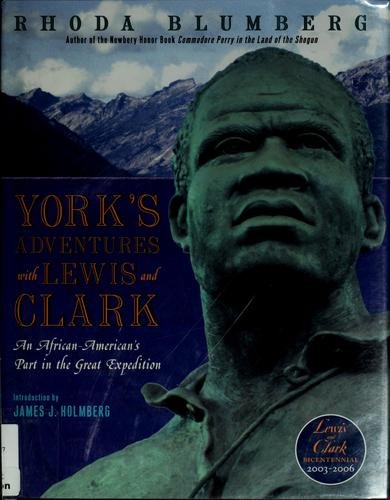
by Rhoda Blumberg
Nonfiction · ages 8–12 · grades 3–7 · 790L
The only children's biography that treats York as a thinking subject rather than a sidecar to Lewis and Clark; Blumberg's honesty about historical gaps models what real scholarship looks like.
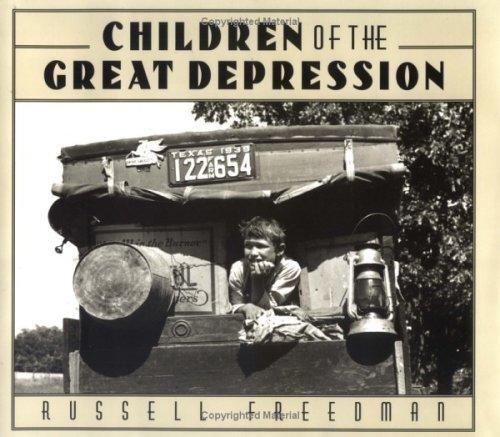
by Russell Freedman
Nonfiction · ages 10–14 · grades 5–9 · 800L
Freedman's photographs and firsthand accounts make economic hardship visceral without trauma—kids understand scarcity and resilience through real children's voices, not sentiment.
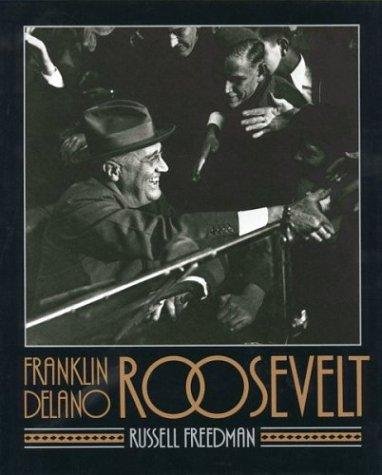
by Russell Freedman
Nonfiction · ages 9–12 · grades 4–7 · 820L
Freedman's accessible, photo-rich biography makes FDR's disability and determination feel immediate without sentimentality; kids grasp both the man and the era.
Complementing on iteration failure
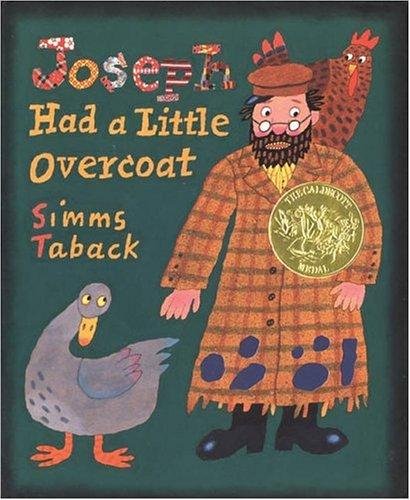
by Simms Taback
Picture book · ages 4–8 · grades K–3
A Caldecott winner with genuine visual wit and a sneaky economics lesson — kids trace the transformation, parents notice Joseph's refusal to waste and his creative persistence.
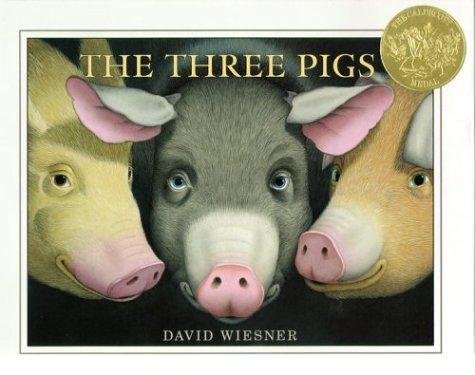
by David Wiesner
Picture book · ages 4–8 · grades K–3
A wordless masterpiece that teaches iteration and agency through anarchic visual storytelling—kids laugh at the absurdity while absorbing how failure leads to better solutions.
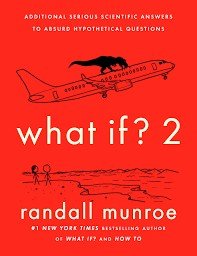
by Randall Munroe
Nonfiction · 1050L
A legitimately smart book disguised as humor — kids discover that rigorous thinking is funnier than jokes, and accidentally develop comfort with math and physics.
We'd skip — for now
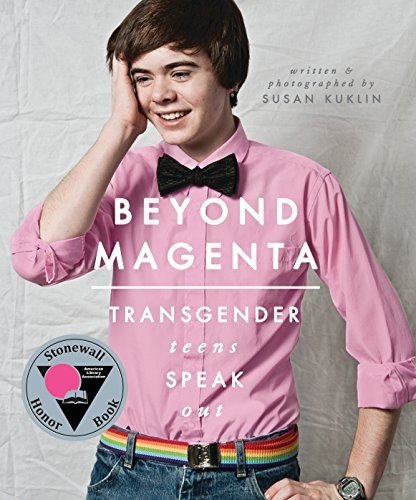
by Susan Kuklin
A step up — ages 14–18 · grades 9–12
Skip it if your family is not ready to discuss gender identity, sexuality, and the lived experience of discrimination; this book does not shy from those conversations.
