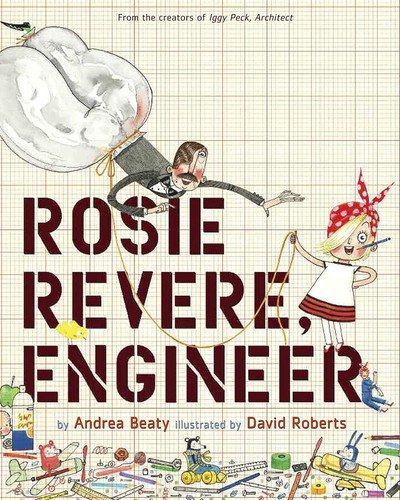
Rosie Revere, Engineer
by Andrea Beaty
Picture book · ages 4–8 · grades K–3 · 620L · 2013
The rare picture book that introduces iteration and failure as *positive forces* without being preachy — Rosie's joy in building matters as much as the lesson.
For a reader who just finished
after Aaron Slater, Illustrator by Andrea Beaty · ages 4–8
Picture book · grades K–3 · 550L
A practical, non-preachy look at the messy middle of creating art that validates a child's own scribbles and drafts.
Same style
by Andrea Beaty
Picture book · ages 4–8 · grades K–3 · 620L · 2013
The rare picture book that introduces iteration and failure as *positive forces* without being preachy — Rosie's joy in building matters as much as the lesson.
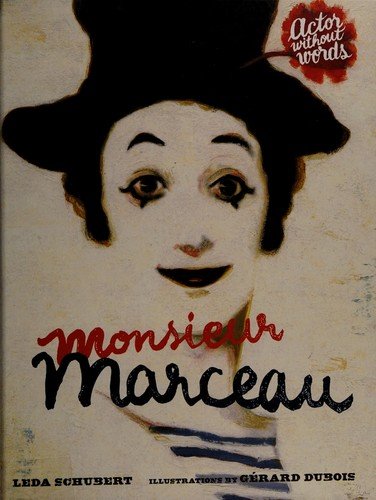
Picture book · ages 6–10 · grades 1–5 · 620L · 2012
A picture-book biography that teaches mime through Marceau's life without being preachy — kids understand what he *did* before they grasp who he was.
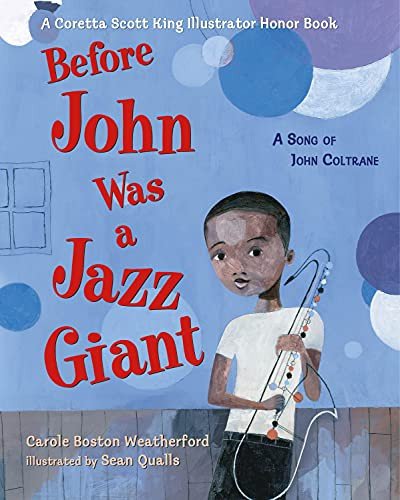
by Sean Qualls
Picture book · ages 5–9 · grades K–4 · 620L · 2022
Qualls's watercolors and lyrical prose turn a music legend's childhood into an intimate portrait of listening and becoming—kids feel Coltrane's hunger for expression, not just his later fame.
Stretch them up

Picture book · ages 4–8 · grades K–3 · 650L · 1996
A picture book that works at 6 and deepens at 9—Ringgold's quilted illustrations and Cassie's dreaming of flight and ownership will stick with your kid for years, and the 1930s Harlem setting opens conversations about racism, class, and what freedom means.
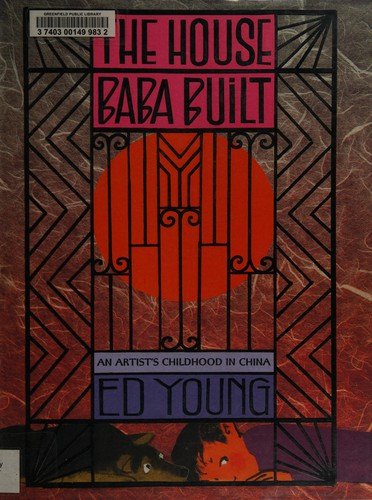
by Ed Young
Picture book · ages 4–8 · grades K–3 · 620L · 2011
A lyrical, elegantly illustrated memoir for young readers that treats childhood displacement and cultural identity with literary depth without condescension—the collage-style art is as much the story as the words.
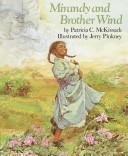
Picture book · ages 4–8 · grades K–3 · 620L
A stunning picture book that weaves African American folklore, Southern rural life, and genuine emotional stakes—Pinkney's illustrations alone are worth revisiting, and Mirandy's problem-solving arc models courage without sentimentality.
Complementing on iteration failure
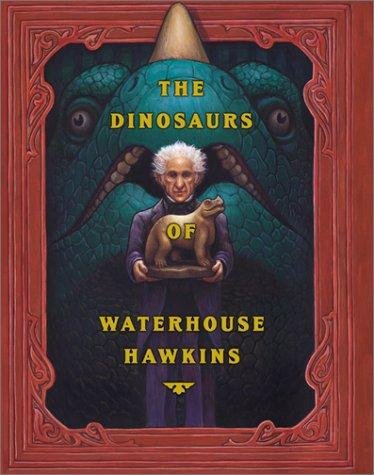
Picture book · ages 6–9 · grades 1–4 · 620L
A biography of a real Victorian artist-scientist that teaches how knowledge evolves through obsessive observation and making—Selznick's illustrations are themselves a masterclass in using image to show process.
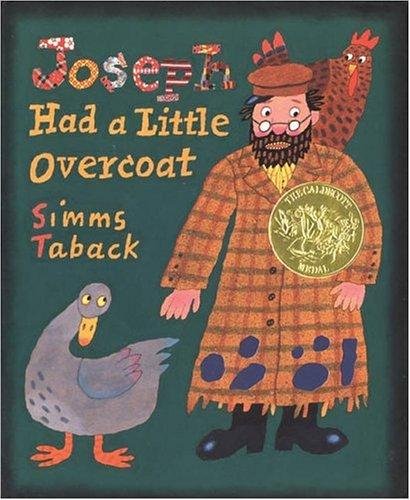
by Simms Taback
Picture book · ages 4–8 · grades K–3 · 1999
A Caldecott winner with genuine visual wit and a sneaky economics lesson — kids trace the transformation, parents notice Joseph's refusal to waste and his creative persistence.
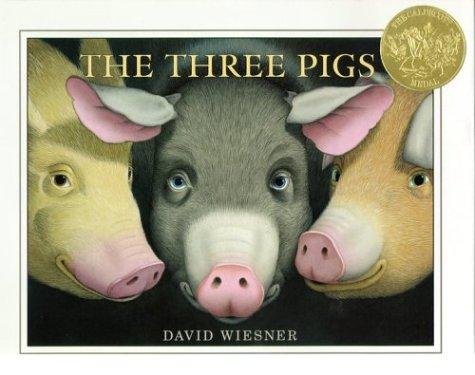
Picture book · ages 4–8 · grades K–3 · 2012
A wordless masterpiece that teaches iteration and agency through anarchic visual storytelling—kids laugh at the absurdity while absorbing how failure leads to better solutions.
We'd skip — for now
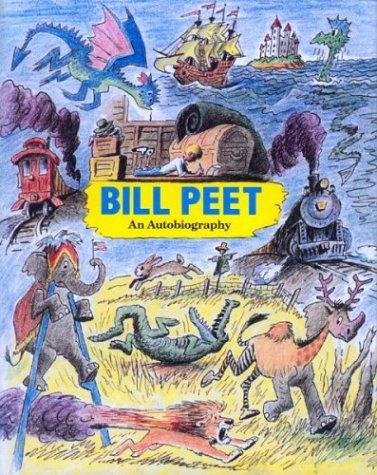
by Bill Peet
A step up — ages 8–12 · grades 3–7
Skip it if your child has no interest in drawing or animation, or if they find long picture books (chronological rather than episodic) tedious.