
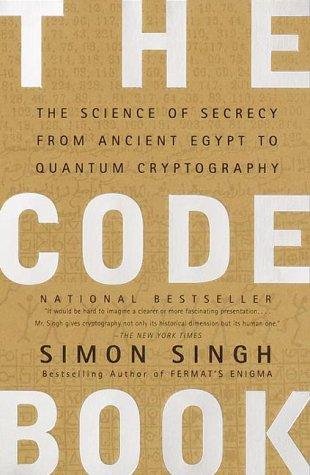
The Code Book
by Simon Singh
Nonfiction · age 10+ · grade 5+ · 1050L
The rare nonfiction book that reads like a thriller — kids who love puzzles or spy stories get hooked on the real mathematics and history without noticing they're learning.
For a reader who just finished
after 1929 by Andrew Ross Sorkin
Same style
by Simon Singh
Nonfiction · age 10+ · grade 5+ · 1050L
The rare nonfiction book that reads like a thriller — kids who love puzzles or spy stories get hooked on the real mathematics and history without noticing they're learning.
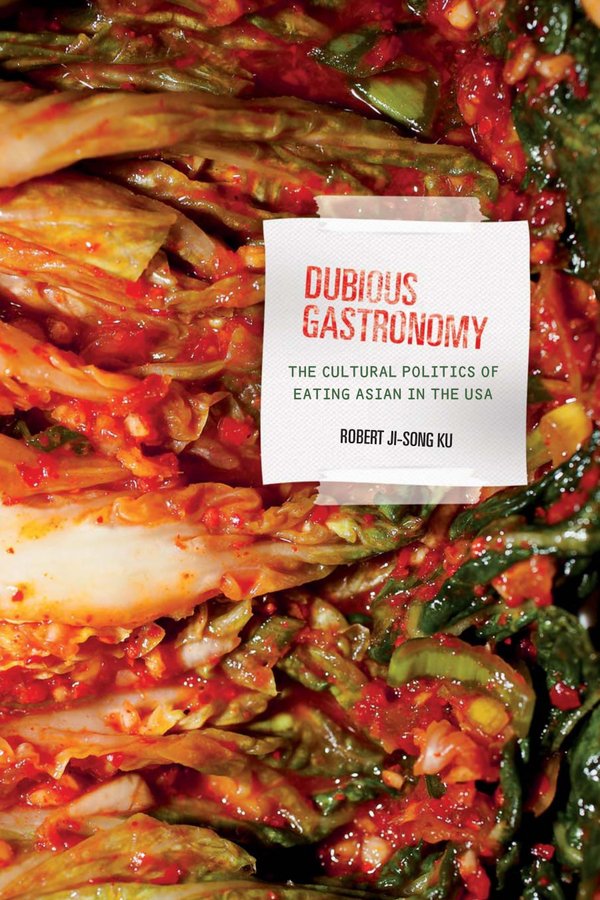
by Robert Ji-Song Ku
Nonfiction · 1200L
A sophisticated cultural history that teaches older teens to read food—and American culture—as contested political terrain; dense but essential for kids ready to question assimilation narratives.
by Cindy I-Fen Cheng
Nonfiction · 1200L
Rigorous, accessible scholarship that fills a real gap in Cold War curricula; best for motivated teen readers or advanced high schoolers doing research on civil rights and immigration.
Complementing on supply demand
by Barbara Cooney
Picture book · ages 4–8 · grades K–3 · 620L
A Caldecott triumph that teaches supply-and-demand economics and seasonal patience through lyrical understatement—Cooney's watercolors make the repetition sing, not bore.
by Barbara Cooney
Picture book · ages 4–8 · grades K–3 · 620L
A Caldecott triumph that teaches supply-and-demand economics and seasonal patience through lyrical understatement—Cooney's watercolors make the repetition sing, not bore.
by Barbara Cooney
Picture book · ages 4–8 · grades K–3 · 620L
A Caldecott triumph that teaches supply-and-demand economics and seasonal patience through lyrical understatement—Cooney's watercolors make the repetition sing, not bore.