
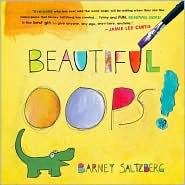
Beautiful Oops!
by Barney Saltzberg
Picture book · ages 3–7 · grades K–2
A near-perfect picture book that genuinely teaches growth mindset through example rather than lecture — kids internalize that mistakes are invitations, not disasters.
For a reader who just finished
after 1 is one by Tasha Tudor · ages 1–3
Same style
by Barney Saltzberg
Picture book · ages 3–7 · grades K–2
A near-perfect picture book that genuinely teaches growth mindset through example rather than lecture — kids internalize that mistakes are invitations, not disasters.
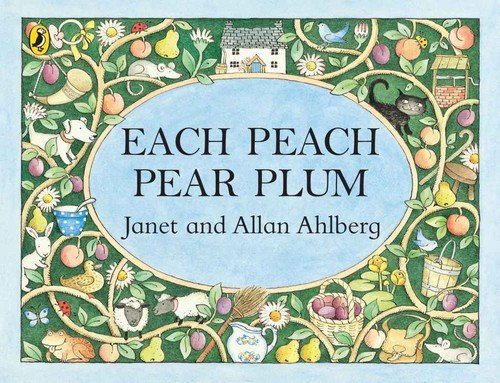
by Janet Ahlberg
Picture book · ages 2–5 · grade K
A Caldecott winner that's genuinely clever—each spread is a visual scavenger hunt hidden inside a rhymed narrative, and kids ask to read it repeatedly without tiring of the search.
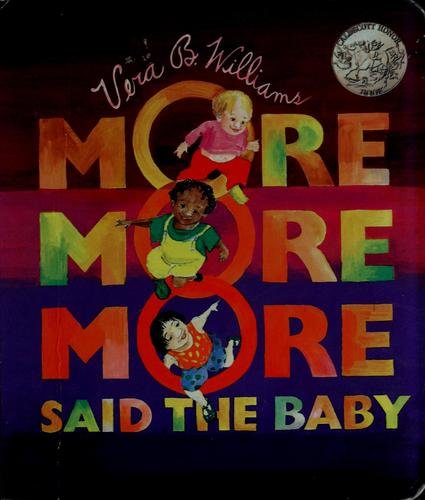
by Vera B. Williams
Board book · ages 0–4 · grade K
A Caldecott Medal winner that works as pure mood for babies and toddlers—the repetition and rhythmic language are soothing, the illustrations are joyful, and the message is unambiguous: you are loved and worthy of affection.
Stretch them up
by Pamela Zagarenski
Picture book · ages 2–5 · grade K · 560L
A bedtime book that actually teaches self-awareness instead of just singing kids into sleep — gorgeous watercolor art and a simple truth: your body knows what it needs.
by Mo Willems
Picture book · ages 3–7 · grades K–2 · 480L
Willems nails the toddler logic of ownership and friendship; the mistaken-bunny premise is genuinely funny for kids and parents, and Trixie's bilingual speech patterns feel authentically lived-in.
by Mo Willems
Picture book · ages 3–7 · grades K–2 · 480L
Willems nails the toddler logic of ownership and friendship; the mistaken-bunny premise is genuinely funny for kids and parents, and Trixie's bilingual speech patterns feel authentically lived-in.
Complementing on cause effect
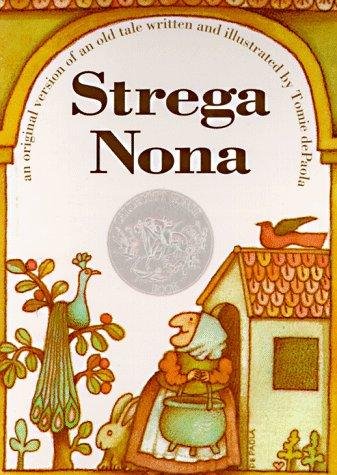
by Tomie dePaola
Picture book · ages 3–8 · grades K–3 · 560L
A masterpiece of visual storytelling that teaches cause-and-effect through pure comedy—kids remember Big Anthony's humiliation and the pasta flood for years, and the illustrations tell half the story.
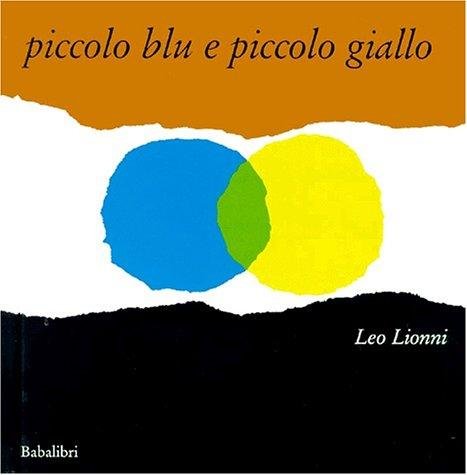
by Leo Lionni
Picture book · ages 3–7 · grades K–2
A masterpiece of economy — colored tissue paper, two dots for eyes, and a profound idea about friendship and transformation told without a single unnecessary word.
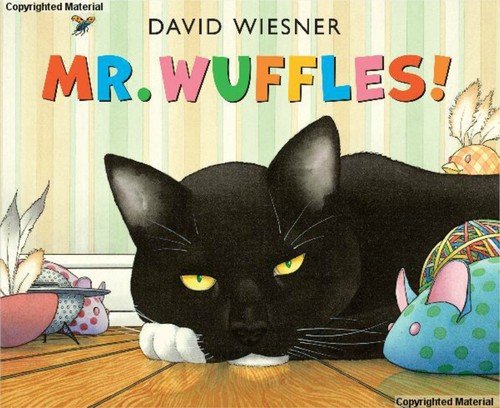
by David Wiesner
Picture book · ages 3–7 · grades K–2
A wordless Caldecott winner where you need to track three simultaneous stories and their collision; kids love the puzzle, and the visual storytelling is genuinely sophisticated without being didactic.
We'd skip — for now
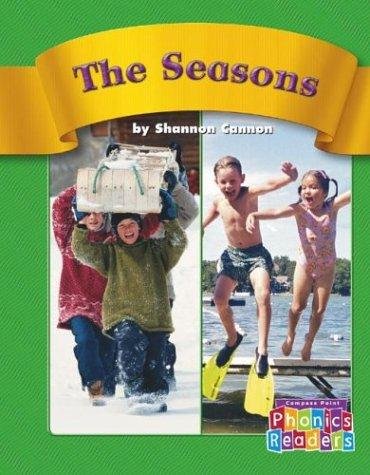
by Shannon Cannon
A step up — ages 3–7 · grades K–2
Skip it if you need narrative arc or character development—this is a concept book, not a story.