For a reader who just finished
Books like Beautiful Oops!
after Beautiful Oops! by Barney Saltzberg · ages 3–7
Same style
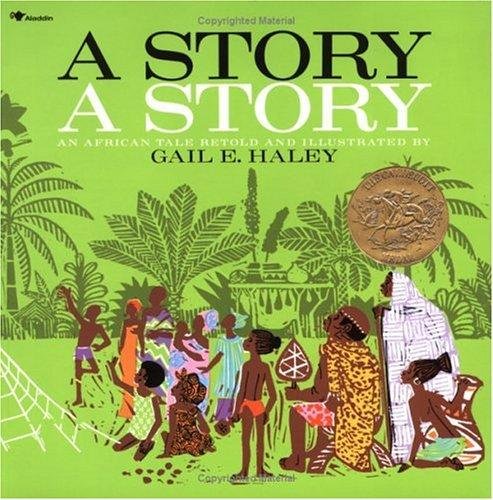
by Gail E. Haley
Picture book · ages 4–8 · grades K–3 · 620L
A Caldecott winner that works as folklore entry point, visual feast, and celebration of cleverness over brute strength—the illustrations anchor the oral tradition on the page without deadening it.
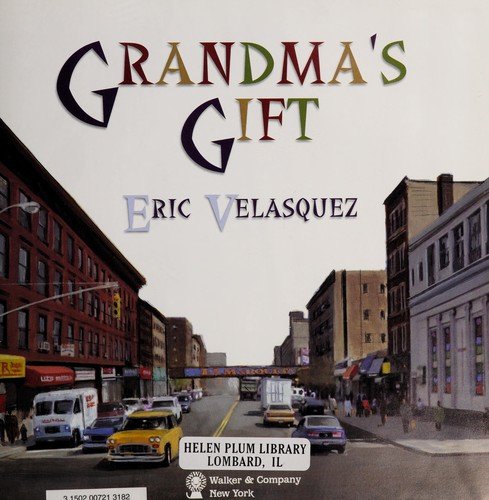
by Eric Velasquez
Picture book · ages 4–8 · grades K–3 · 620L
A quiet, beautifully illustrated portrait of a grandmother passing down her artistic gift—understated and genuinely moving, with Velasquez's own art doing the emotional heavy lifting.
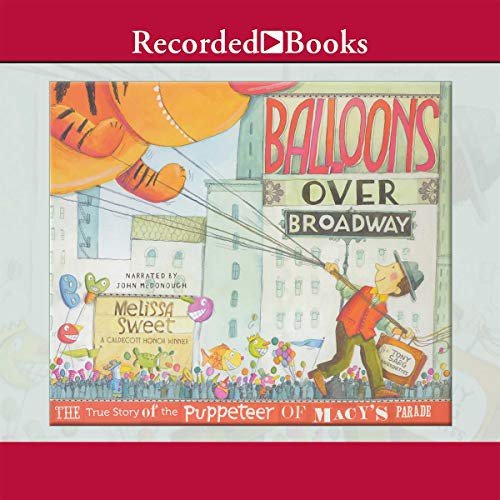
by Melissa Sweet
Picture book · ages 5–9 · grades K–4 · 620L
A picture book that genuinely teaches how invention works—Melissa Sweet's collage art mirrors Sarg's experimental process, and kids leave understanding that parades didn't always have giant balloons because someone decided to invent them.
Stretch them up
by Ashley Bryan
Picture book · ages 4–8 · grades K–3 · 620L
Ashley Bryan's illustrations and oral storytelling rhythm make these Ghanaian and West African tales unforgettable; the humor lands on multiple levels and kids absorb cultural worldview without sermon.

by William Steig
Picture book · ages 4–8 · grades K–3 · 620L
A quietly haunting picture book that handles loss and separation without melodrama — the magic pebble is just a frame for the real story about wanting to come home.
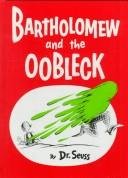
by Dr. Seuss
Picture book · ages 4–8 · grades K–3 · 620L
Seuss at his most serious: a kid solves a crisis by speaking up when adults won't listen, the king learns humility through apology, and the language is so playful it carries thematic weight without preaching.
Complementing on iteration failure
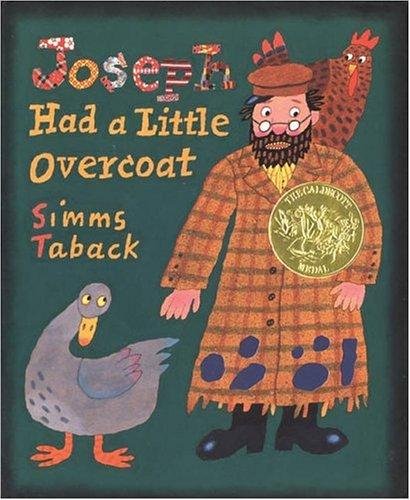
by Simms Taback
Picture book · ages 4–8 · grades K–3
A Caldecott winner with genuine visual wit and a sneaky economics lesson — kids trace the transformation, parents notice Joseph's refusal to waste and his creative persistence.
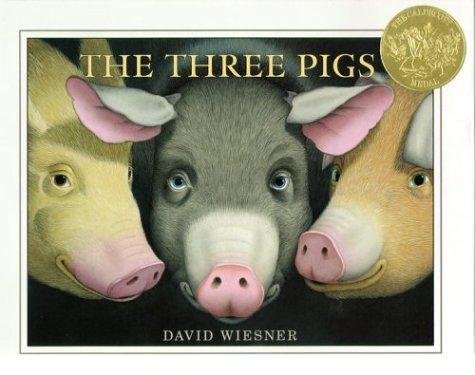
by David Wiesner
Picture book · ages 4–8 · grades K–3
A wordless masterpiece that teaches iteration and agency through anarchic visual storytelling—kids laugh at the absurdity while absorbing how failure leads to better solutions.
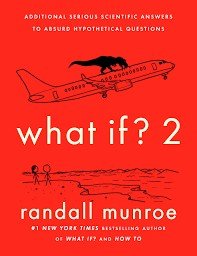
by Randall Munroe
Nonfiction · 1050L
A legitimately smart book disguised as humor — kids discover that rigorous thinking is funnier than jokes, and accidentally develop comfort with math and physics.
We'd skip — for now
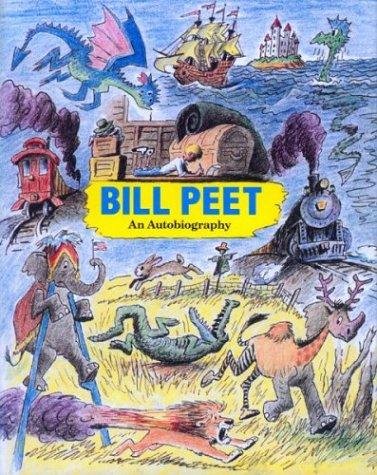
by Bill Peet
A step up — ages 8–12 · grades 3–7
Skip it if your child has no interest in drawing or animation, or if they find long picture books (chronological rather than episodic) tedious.
