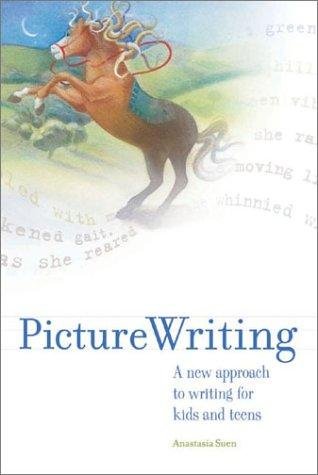
Picture Writing
Nonfiction · ages 8–12 · grades 3–7 · 680L · 2003
A smart, accessible primer on how writing systems evolved across cultures—combines history, art, and practical linguistics without talking down to kids.
For a reader who just finished
after Who Was Michelangelo? by Kirsten Anderson · ages 7–10
Nonfiction · grades 2–5 · 650L
A solid, accessible entry point for kids interested in art history, though the 'Who Was' series format can feel a bit dry compared to narrative nonfiction.
Same style
Nonfiction · ages 8–12 · grades 3–7 · 680L · 2003
A smart, accessible primer on how writing systems evolved across cultures—combines history, art, and practical linguistics without talking down to kids.
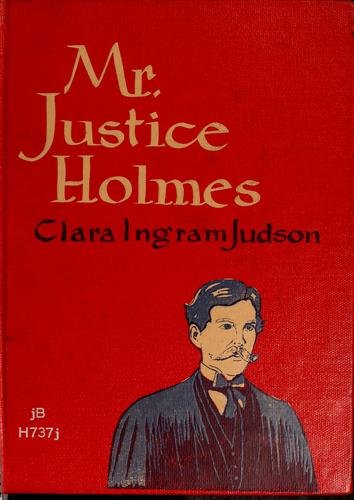
Nonfiction · ages 8–12 · grades 3–7 · 650L
Earnest mid-century biography that introduces a towering legal mind; dry by modern standards and Holmes's actual legal reasoning will sail over most 8–10-year-olds' heads, but solid for history-curious kids who like nonfiction.
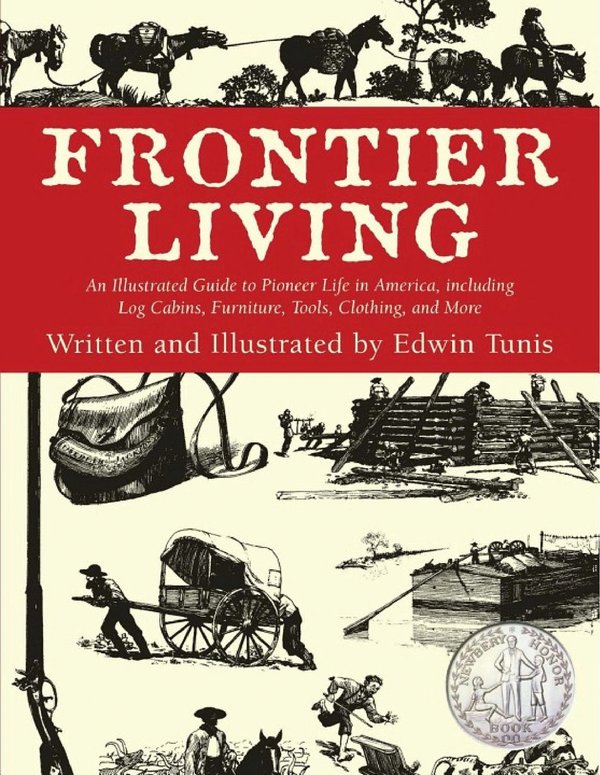
by Edwin Tunis
Nonfiction · ages 8–12 · grades 3–7 · 720L · 2023
Beautifully illustrated architectural and domestic detail from the American frontier—a primary-source feel that rewards slow, curious looking and teaches how people actually lived.
Complementing on biography arts
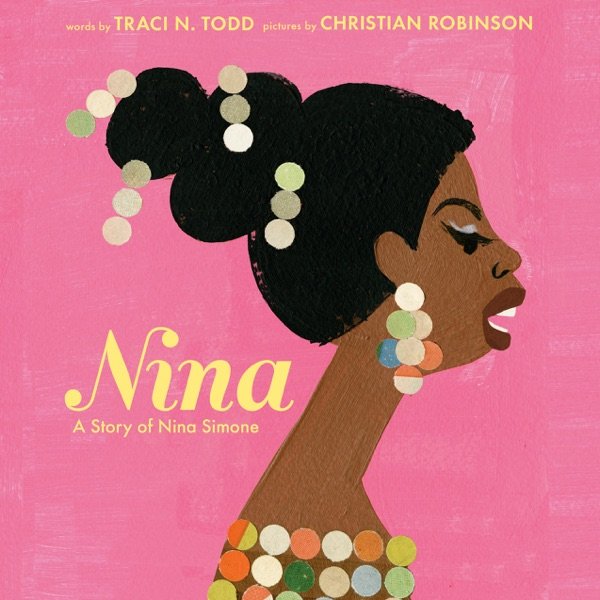
Picture book · ages 6–10 · grades 1–5 · 620L · 2021
A lyrical biography that pairs exquisite illustration with genuine narrative tension — Nina's refusal to be anything other than herself feels urgent and lived, not sanitized.
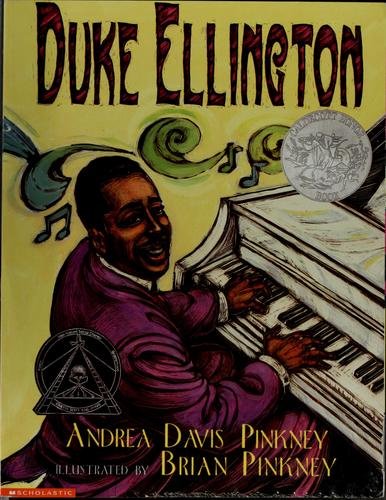
Picture book · ages 4–8 · grades K–3 · 620L · 1999
Pinkney's scratchboard illustrations are luminous and rhythmic—they do half the storytelling work, making this the best visual entry to Duke Ellington for early readers.
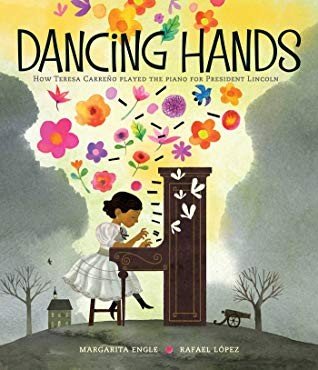
by Rafael López
Picture book · ages 4–8 · grades K–3 · 620L · 2019
A luminous picture-book biography with Rafael López's signature watercolor style; introduces kids to a remarkable pianist most have never heard of, and the historical detail (Civil War, Lincoln) anchors it genuinely rather than sentimentally.
We'd skip — for now
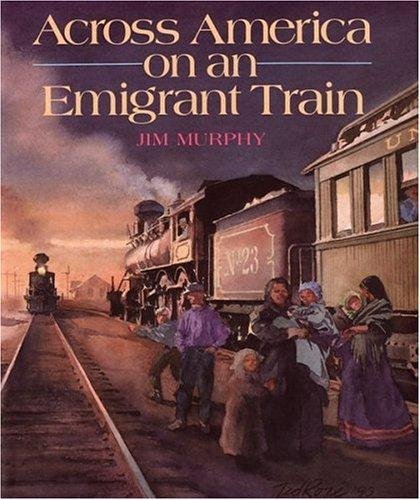
by Jim Murphy
A step up — ages 10–14 · grades 5–9
Skip it if your child is unsettled by descriptions of crowding, illness, or death in transit—the book treats hardship matter-of-factly and includes some passenger mortality.