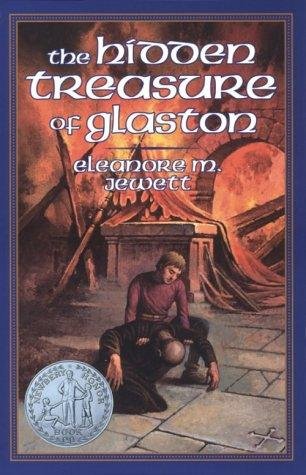
The Hidden Treasure of Glaston
Middle grade · ages 8–12 · grades 3–7 · 750L · 2000
A Newbery Honor book that genuinely rewards careful reading—historical adventure that treats mysteries as solvable through observation and research, not luck.
For a reader who just finished
after Who Is Neil deGrasse Tyson? by Pamela Pollack · ages 7–12
Middle grade · grades 2–7 · 600L
A solid, accessible entry point for kids who want to know how a kid from the Bronx became the face of modern astronomy.
Same style
Middle grade · ages 8–12 · grades 3–7 · 750L · 2000
A Newbery Honor book that genuinely rewards careful reading—historical adventure that treats mysteries as solvable through observation and research, not luck.
Middle grade · ages 8–12 · grades 3–7 · 720L · 1941
A solid mid-century adventure that rewards patient readers interested in nature and exploration, though the pacing is gentler and the stakes lower than modern middle-grade fare.
by Christy Mandin
Middle grade · ages 8–12 · grades 3–7 · 650L · 2024
A clever blend of botanical fact and mystery that rewards kids who like to dig deeper than the surface story.
Stretch them up
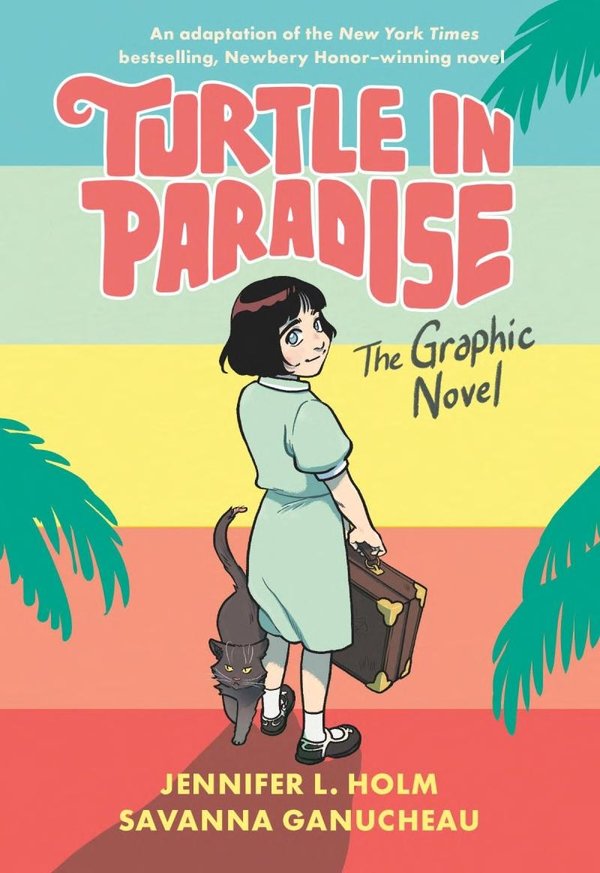
Middle grade · ages 8–12 · grades 3–7 · 760L · 2021
A Depression-era jewel that doesn't lecture—Turtle's scrappiness and the vividness of Key West make history immediate, and the message (belonging is something you find, not something you inherit) lands quietly and hard.
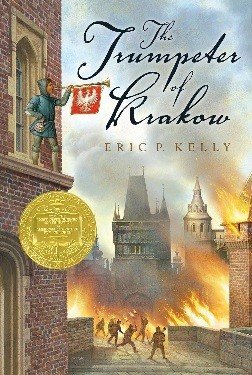
Middle grade · ages 8–12 · grades 3–7 · 800L · 1992
A Newbery winner that feels genuinely historical without being a slog — the mystery of the trumpet and the boy's quiet bravery make it memorable for kids who can handle older prose.
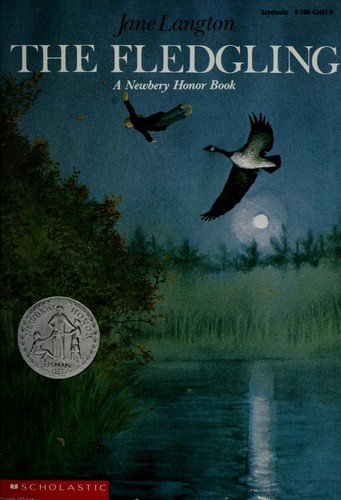
by Jane Langton
Middle grade · ages 8–12 · grades 3–7 · 780L · 1990
A lyrical, Newbery-winning fantasy that trusts kids to sit with ambiguity and philosophy—Langton's prose is gorgeous, but the pacing meanders and modern kids may find the mythology slower to grip than contemporary series.
Complementing on scientific method
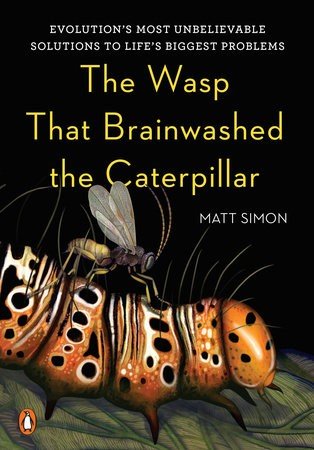
by Matt Simon
Nonfiction · ages 8–12 · grades 3–7 · 780L · 2017
The funniest animal-science book for this age—Simon's deadpan voice makes parasitism and manipulation genuinely thrilling, and kids walk away actually understanding how coevolution works.
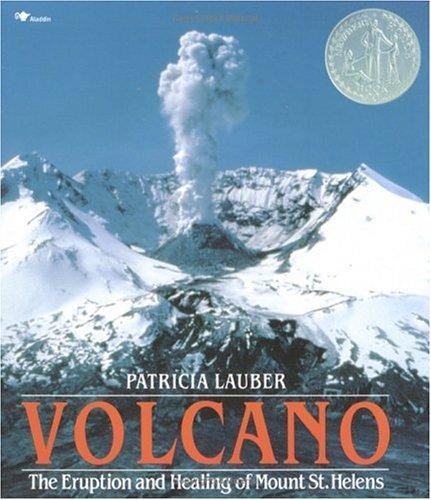
Nonfiction · ages 6–10 · grades 1–5 · 760L · 1993
Stunning photographic documentation of a real natural disaster and its aftermath—kids grasp cause-and-effect at landscape scale, and the healing narrative is genuinely hopeful without being saccharine.
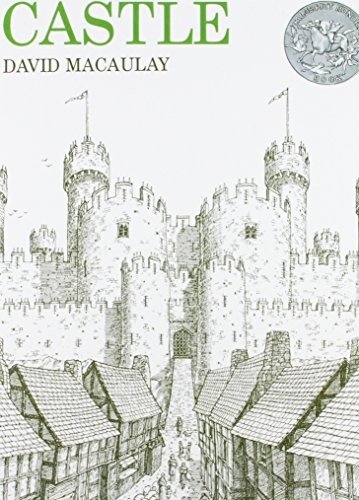
Nonfiction · ages 8–12 · grades 3–7 · 720L · 2007
Macaulay's masterpiece — architectural history made visceral through illustration and narrative; kids who engage deeply will ask real questions about how things are built.
We'd skip — for now
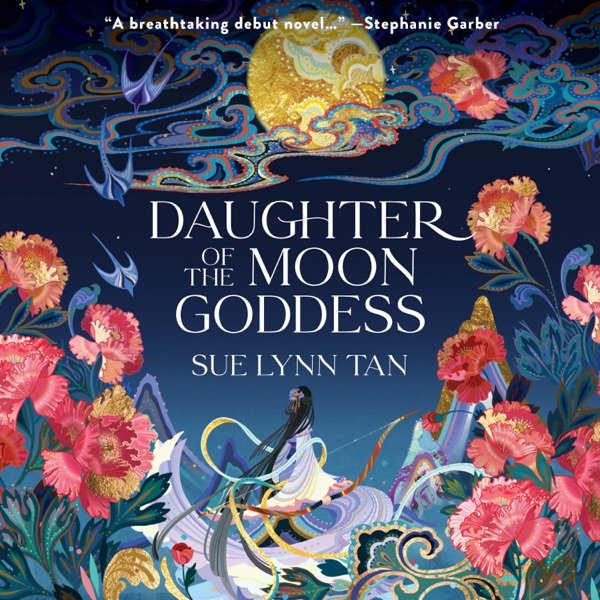
by Sue Lynn Tan
A step up — ages 14–18 · grades 9–12
Skip it if your teen has been spooked by sustained magical threat or combat; there are extended battle scenes and genuine peril to beloved characters.