For a reader who just finished
Books like White Fang
after White Fang by Jack London · ages 8–12
Same style
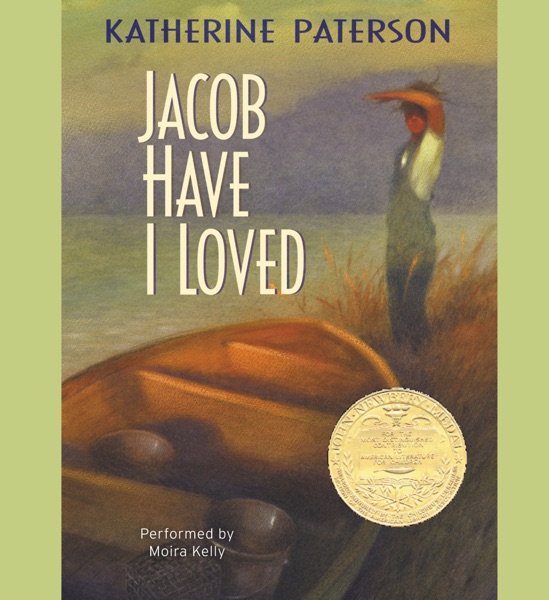
by Katherine Paterson
Middle grade · ages 10–14 · grades 5–9 · 820L
A Newbery winner that actually deserves it—Paterson writes sibling resentment and reconciliation with such honesty that kids recognize their own families, and the 1941 Chesapeake setting carries real historical weight without preaching.
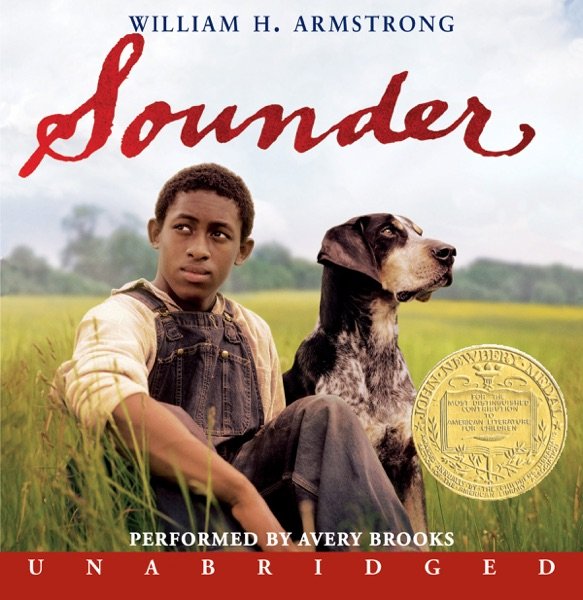
by William H. Armstrong
Middle grade · ages 10–14 · grades 5–9 · 820L
A Newbery winner that earns its reputation—sparse, emotionally precise, and unflinching about rural poverty and its costs; the bond between boy and dog grounds big themes in concrete feeling.
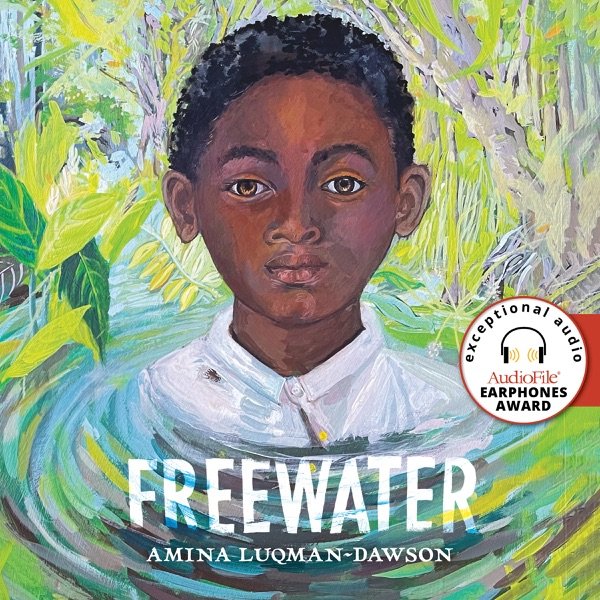
by Amina Luqman-Dawson
Middle grade · ages 10–14 · grades 5–9 · 780L
A rare middle-grade novel that treats slavery and Black resistance with intellectual and emotional honesty—no sanitizing, no triumph-narrative shortcuts, but genuine complexity and beauty.
Stretch them up
by J. K. Rowling
Middle grade · ages 9–12 · grades 4–7 · 880L
The book that redefined children's fiction — richly imagined world, genuine stakes, prose that respects young readers, and a protagonist's journey from isolation to belonging that doesn't feel saccharine.
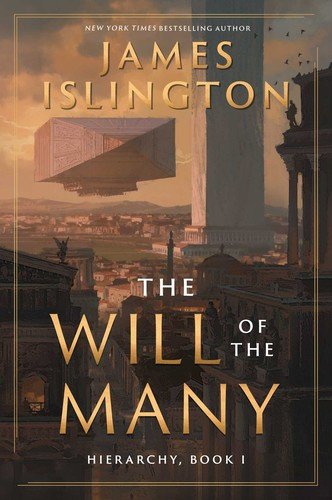
by James Islington
Middle grade · ages 10–14 · grades 5–9 · 890L
A genuinely sophisticated magic system wrapped in a mystery about identity — harder than typical middle grade but rewarding for strong readers who don't need constant humor.
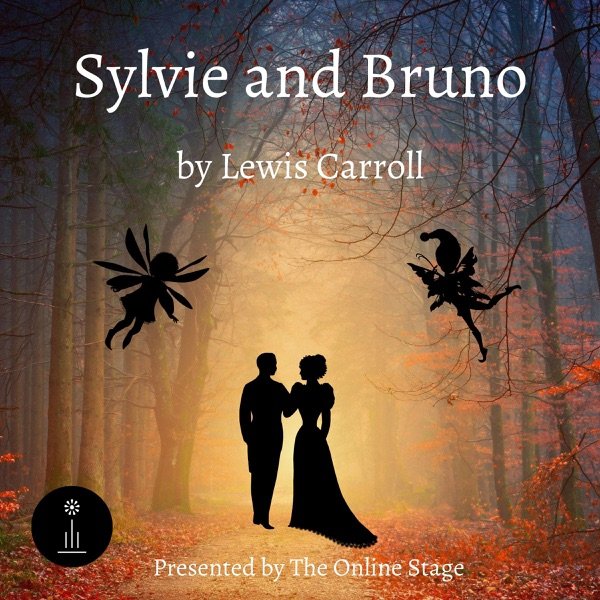
by Lewis Carroll
Middle grade · ages 10–14 · grades 5–9 · 1050L
Carroll's most structurally ambitious work and genuinely strange—the dual-timeline narrative and philosophical digressions demand real attention, but kids who love language puzzles and moral fables will find it rewarding.
Complementing on a good life
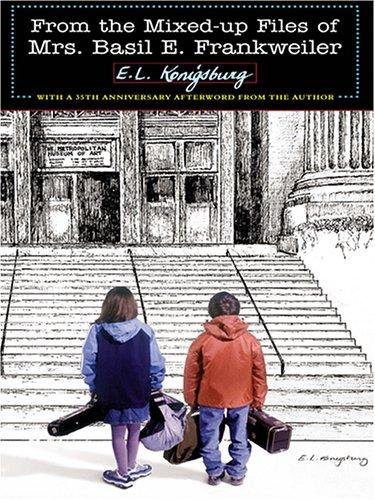
by E. L. Konigsburg
Middle grade · ages 8–12 · grades 3–7 · 790L
A book that trusts kids to be intellectually bored and emotionally complex—Claudia's runaway isn't melodrama, it's a quiet reckoning with identity that lands harder on rereads.
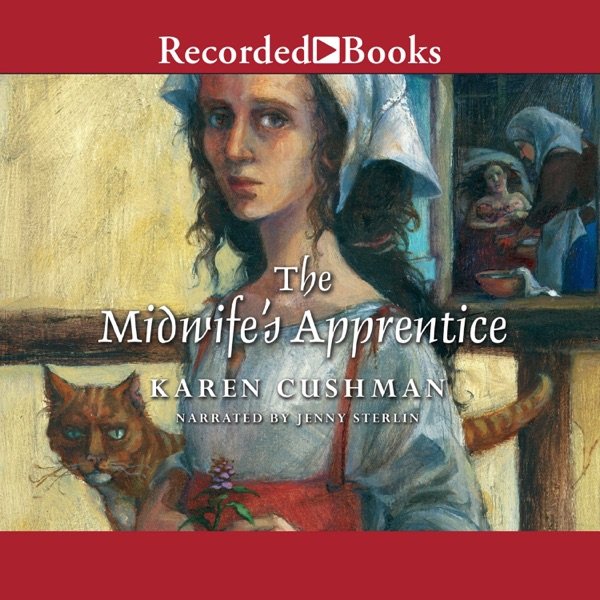
by Karen Cushman
Middle grade · ages 10–14 · grades 5–9 · 780L
A Newbery winner that earns it: a girl with no name becomes herself through honest work and adult recognition; the medieval setting and childbirth apprenticeship feel urgent and real, not decorative.
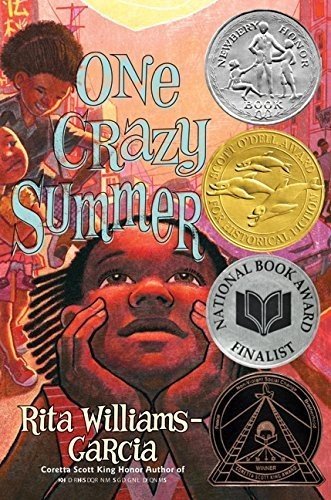
by Rita Williams-Garcia
Middle grade · ages 8–12 · grades 3–7 · 750L
A richly layered book about sisterhood, identity, and reckoning with parental complexity that treats kids' emotional intelligence seriously—the ending doesn't tidy up, which is exactly why it stays with them.
We'd skip — for now
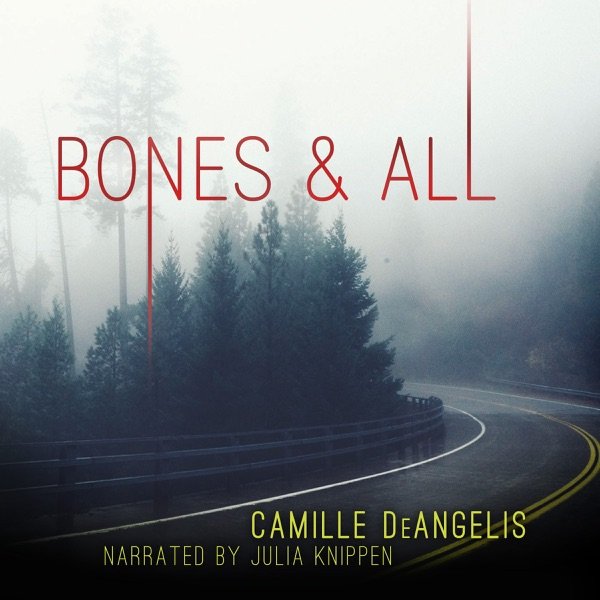
by Camille DeAngelis
A step up — ages 14–18 · grades 9–12
Skip it if your teen is disturbed by cannibalism (even as metaphor/practice) or if they're not yet ready for literary darkness without clear moral resolution.
