For a reader who just finished
Books like Sounder
after Sounder by William H. Armstrong · ages 10–14
Same style
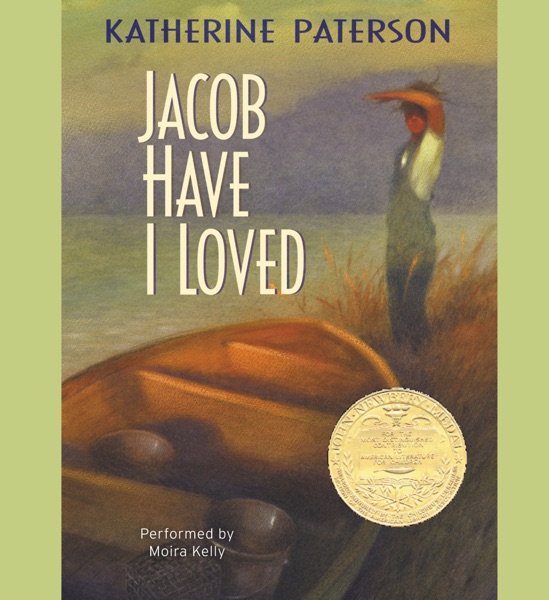
by Katherine Paterson
Middle grade · ages 10–14 · grades 5–9 · 820L
A Newbery winner that actually deserves it—Paterson writes sibling resentment and reconciliation with such honesty that kids recognize their own families, and the 1941 Chesapeake setting carries real historical weight without preaching.
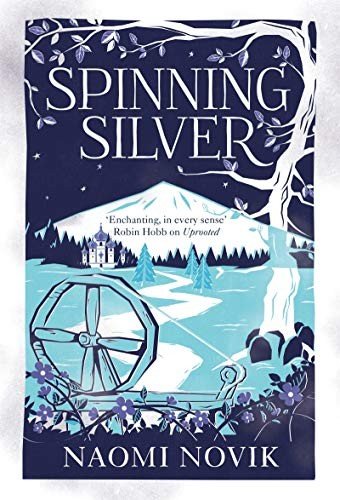
by Naomi Novik
Middle grade · ages 10–14 · grades 5–9 · 820L
A stunning, linguistically rich fantasy that treats cultural identity and girlhood seriously — Novik's best standalone, and kids who read it reread it.
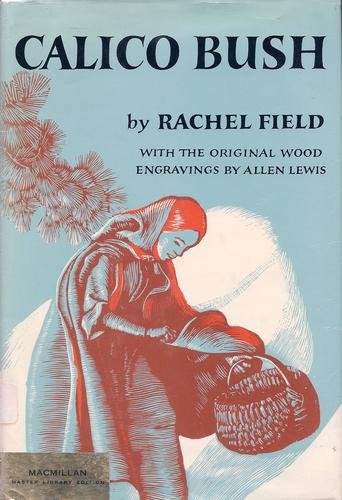
by Rachel Field
Middle grade · ages 10–14 · grades 5–9 · 820L
A Newbery winner that deserves recovery—rich, unsentimental historical fiction about a girl learning to belong after loss, with prose that holds up and a frontier that feels real, not romanticized.
Stretch them up
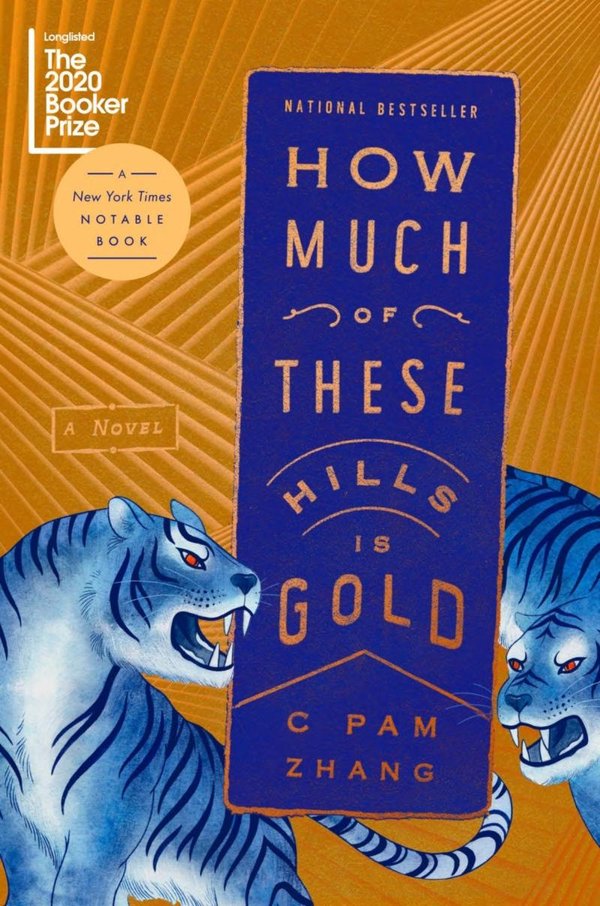
by C Pam Zhang
Young adult · 1020L
A lyrical, historically ambitious novel about Chinese-American siblings during the Gold Rush that refuses sentimentality; rich on immigration and labor, but the fragmented structure and heavy themes demand a mature, patient reader.
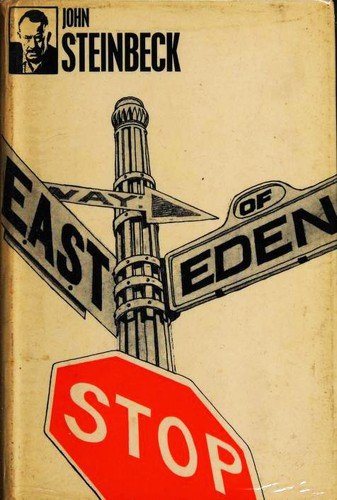
by John Steinbeck
Young adult · 1050L
The most philosophically rigorous American family saga; demands intellectual maturity but rewards it with a genuinely moral argument about choice and human nature that lands harder at 15–16 than at 12.
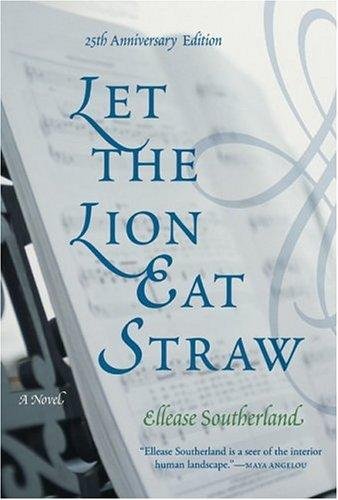
by Ellease Southerland
Young adult · 1010L
A demanding, unflinching portrait of a Black woman navigating mental illness, family obligation, and the Great Migration; literary and historically grounded, but emotionally raw.
Complementing on perspective taking
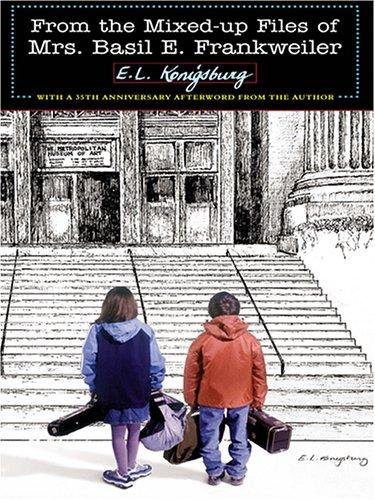
by E. L. Konigsburg
Middle grade · ages 8–12 · grades 3–7 · 790L
A book that trusts kids to be intellectually bored and emotionally complex—Claudia's runaway isn't melodrama, it's a quiet reckoning with identity that lands harder on rereads.
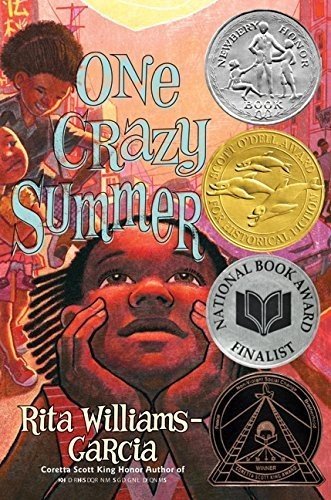
by Rita Williams-Garcia
Middle grade · ages 8–12 · grades 3–7 · 750L
A richly layered book about sisterhood, identity, and reckoning with parental complexity that treats kids' emotional intelligence seriously—the ending doesn't tidy up, which is exactly why it stays with them.
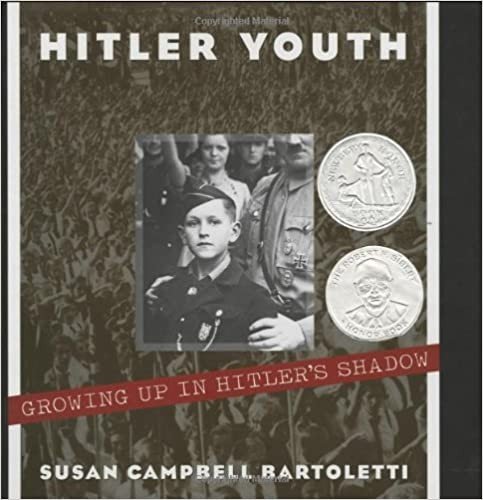
by Susan Campbell Bartoletti
Nonfiction · age 10+ · grade 5+ · 1050L
The most honest, unflinching introduction to how propaganda works on young minds—essential reading for understanding WWII and how democracies stay vigilant.
We'd skip — for now
by Camille DeAngelis
A step up — ages 14–18 · grades 9–12
Skip it if your teen is disturbed by cannibalism (even as metaphor/practice) or if they're not yet ready for literary darkness without clear moral resolution.
