
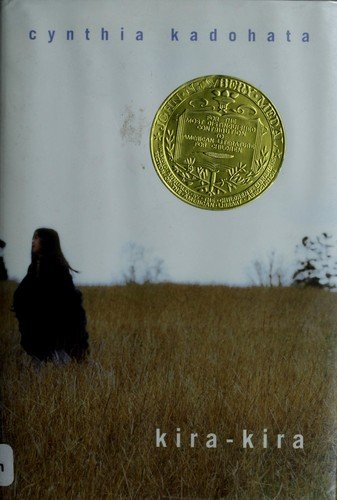
Kira-Kira
by Cynthia Kadohata
Middle grade · ages 9–12 · grades 4–7 · 760L
A Newbery Medal winner that earns it—luminous, unsentimental, and genuinely about how love and small moments sustain a family facing real hardship and loss.
For a reader who just finished
after Where the Red Fern Grows by Wilson Rawls · ages 10–14
Same style
by Cynthia Kadohata
Middle grade · ages 9–12 · grades 4–7 · 760L
A Newbery Medal winner that earns it—luminous, unsentimental, and genuinely about how love and small moments sustain a family facing real hardship and loss.
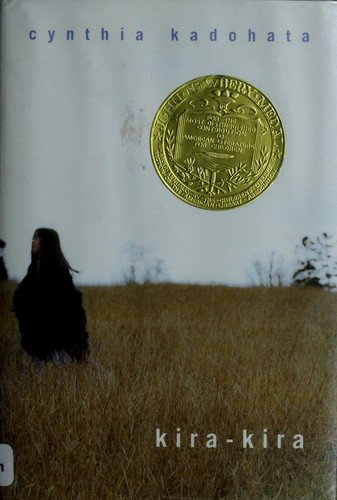
by Cynthia Kadohata
Middle grade · ages 10–14 · grades 5–9 · 730L
A Newbery winner that earns it—poignant without sentimentality, and the only book in this age range that teaches a child what it means to grieve a sibling while honoring their legacy.
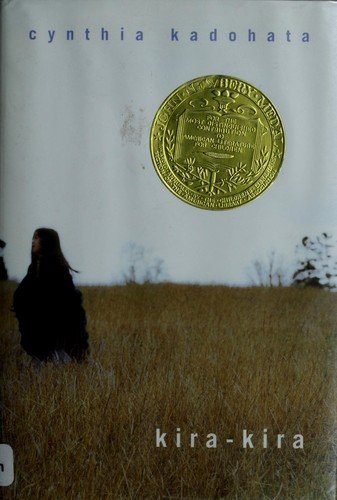
by Cynthia Kadohata
Middle grade · ages 10–14 · grades 5–9 · 730L
A Newbery winner that earns it—poignant without sentimentality, and the only book in this age range that teaches a child what it means to grieve a sibling while honoring their legacy.
Stretch them up
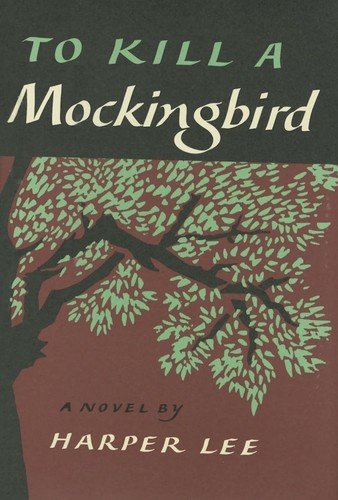
by Harper Lee
Middle grade · ages 10–14 · grades 5–9 · 870L
The most important American novel for this age—not because it's easy, but because Atticus's quiet model of conscience shapes how children think about justice and courage for decades.
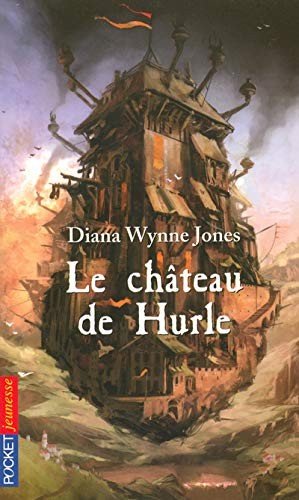
by Diana Wynne Jones
Young adult · ages 10–14 · grades 5–9 · 920L
A sly, emotionally satisfying fantasy that feels like a literary prize-winner disguised as a romp — Sophie's growth from cursed hat-maker to witch is the real magic.
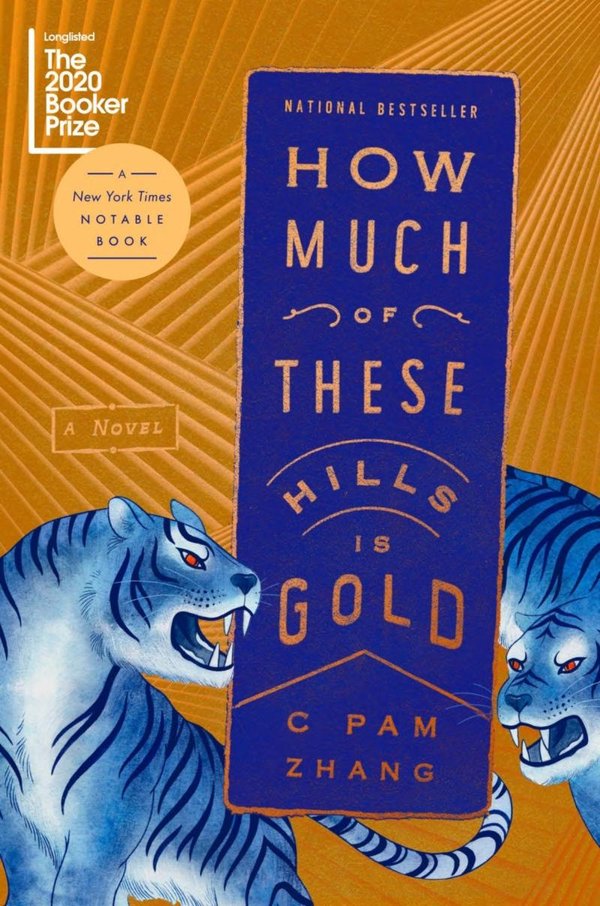
by C Pam Zhang
Young adult · 1020L
A lyrical, historically ambitious novel about Chinese-American siblings during the Gold Rush that refuses sentimentality; rich on immigration and labor, but the fragmented structure and heavy themes demand a mature, patient reader.
Complementing on a good life
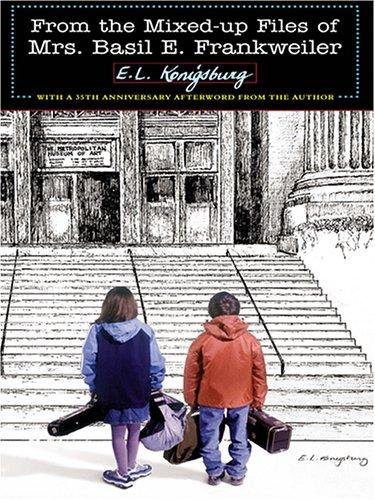
by E. L. Konigsburg
Middle grade · ages 8–12 · grades 3–7 · 790L
A book that trusts kids to be intellectually bored and emotionally complex—Claudia's runaway isn't melodrama, it's a quiet reckoning with identity that lands harder on rereads.
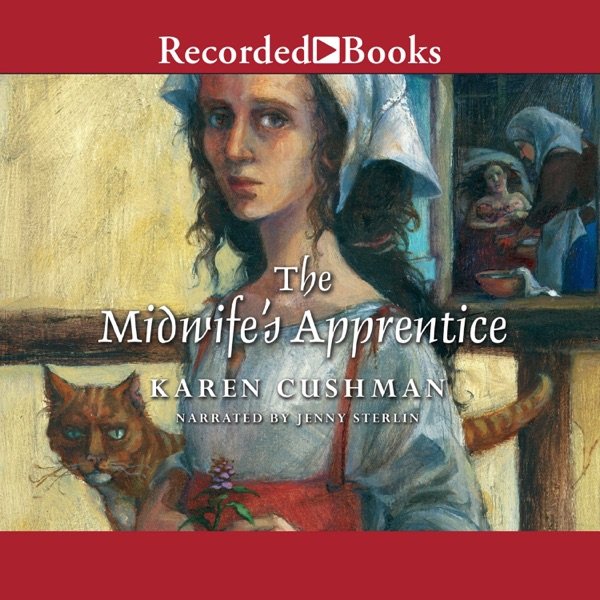
by Karen Cushman
Middle grade · ages 10–14 · grades 5–9 · 780L
A Newbery winner that earns it: a girl with no name becomes herself through honest work and adult recognition; the medieval setting and childbirth apprenticeship feel urgent and real, not decorative.
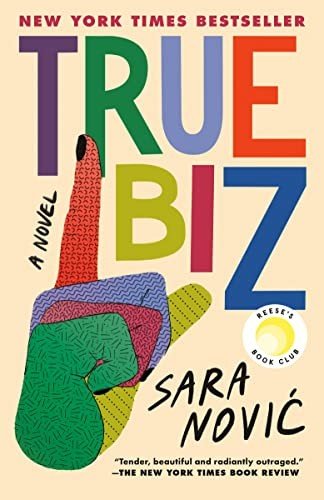
by Sara Nović
Middle grade · ages 10–14 · grades 5–9 · 820L
A genuinely original YA-crossover novel that treats Deaf culture as protagonist, not obstacle—kids learn to think in sign while wrestling with identity questions that feel urgent, not didactic.
We'd skip — for now
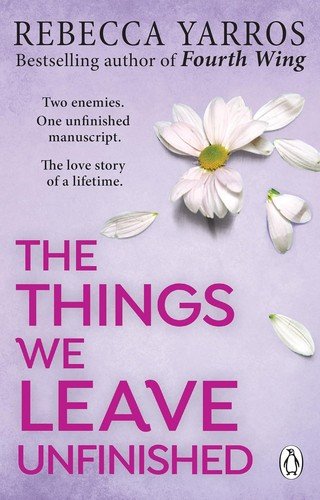
by Rebecca Yarros
A step up — ages 14–18 · grades 9–12
Skip it if your teen finds sustained war themes too heavy, or if depictions of WWII aerial combat and loss-of-life distress them beyond productive sadness.