For a reader who just finished
Books like The Hundred Penny Box
after The Hundred Penny Box by Sharon Bell Mathis · ages 5–9
Same style
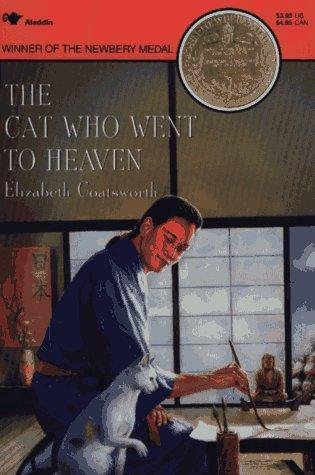
by Elizabeth Coatsworth
Picture book · ages 6–9 · grades 1–4 · 620L
A quiet, almost haiku-like meditation on loyalty and grace; the cat's arc lands with genuine emotional weight, and the Japanese art context gives kids access to a wholly different aesthetic tradition.
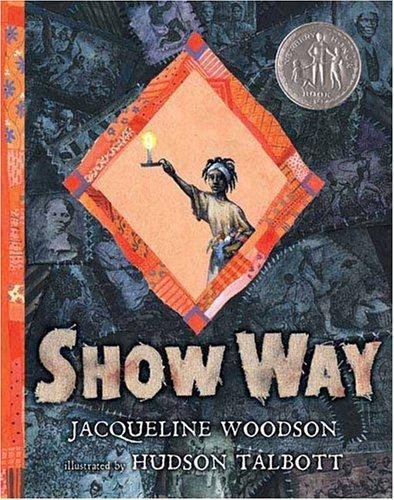
by Jacqueline Woodson
Picture book · ages 5–10 · grades K–5 · 620L
Woodson's poetry and Hudson's illustrations transform quilting into a living metaphor for inherited strength across slavery, Jim Crow, and present-day activism—dense enough for parent-child discussion, lyrical enough to reread.
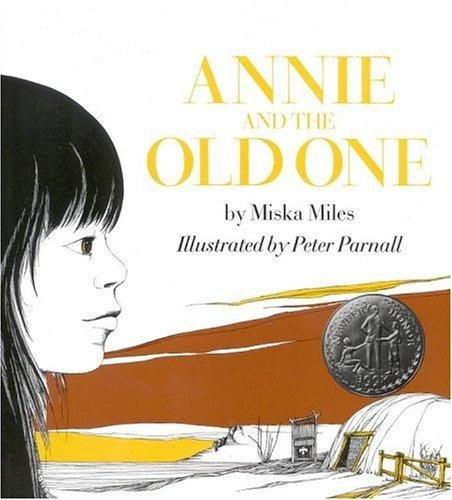
by Miska Miles
Picture book · ages 5–9 · grades K–4 · 620L
A quietly devastating and honest book about mortality—the Old One's acceptance and the weaving metaphor stick with kids for years, and it doesn't sugarcoat grief or pretend death is anything other than what it is.
Stretch them up
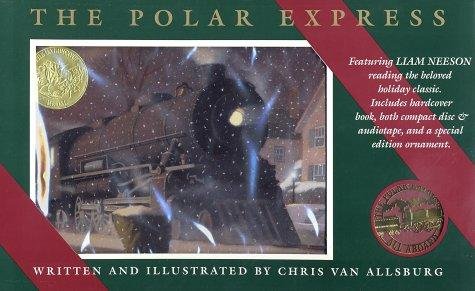
by Chris Van Allsburg
Picture book · ages 4–8 · grades K–3 · 740L
Van Allsburg's most enduring picture book — the prose is literary and the illustrations carry genuine atmosphere; read it aloud to catch the layered melancholy beneath the magic.
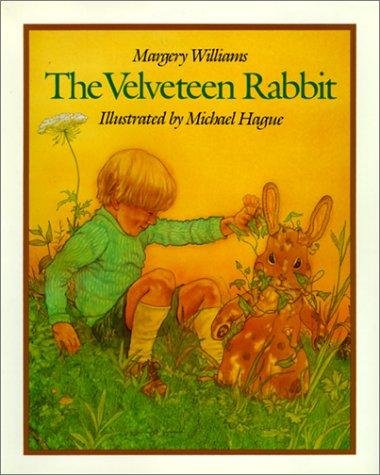
by Margery Williams Bianco
Picture book · ages 4–8 · grades K–3 · 750L
A quiet meditation on what makes something—or someone—real that lands as hard on kids as on adults; the prose is dense but the illustrations carry emotional weight that younger readers absorb without decoding every word.
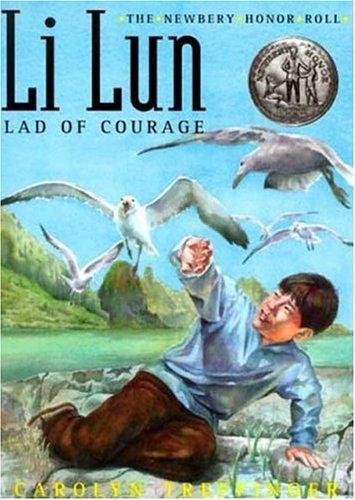
by Carolyn Treffinger
Picture book · ages 5–8 · grades K–3 · 720L
A quiet, genuinely moving intro to immigrant experience and cultural pride—rare among mid-century children's books for its emotional honesty and Cantonese language weaving.
Complementing on naming feelings
by Juan Felipe Herrera
Verse novel · ages 6–10 · grades 1–5 · 520L
A masterwork of bilingual wordplay that reads aloud with infectious energy—kids feel seen in the code-switching, and the poems actively teach that two languages in one mind is a superpower, not a problem.
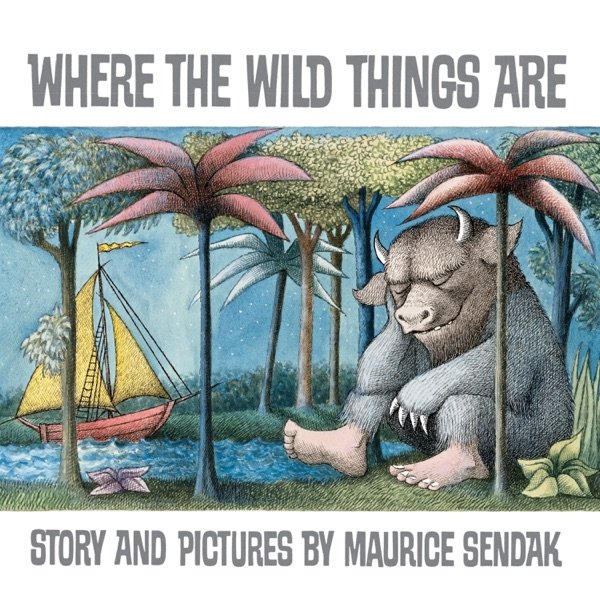
by Maurice Sendak
Picture book · ages 4–8 · grades K–3 · 420L
A masterpiece that works equally well as a raucous romp and a tender study of anger, wildness, and the pull of home—Sendak's illustrations are the co-author.
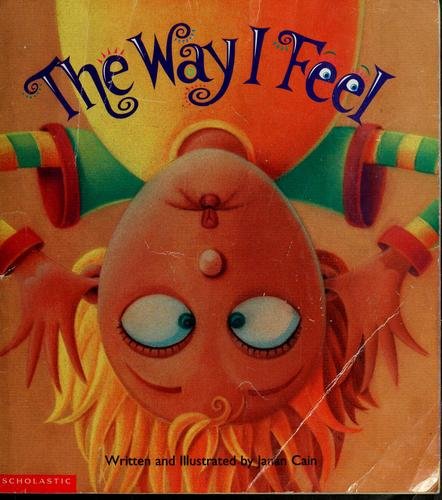
by Janan Cain
Picture book · ages 4–8 · grades K–3 · 300L
The clearest, most actionable emotional-vocabulary reference picture book for young kids—sturdy format, diverse representation, and zero saccharine framing.
We'd skip — for now
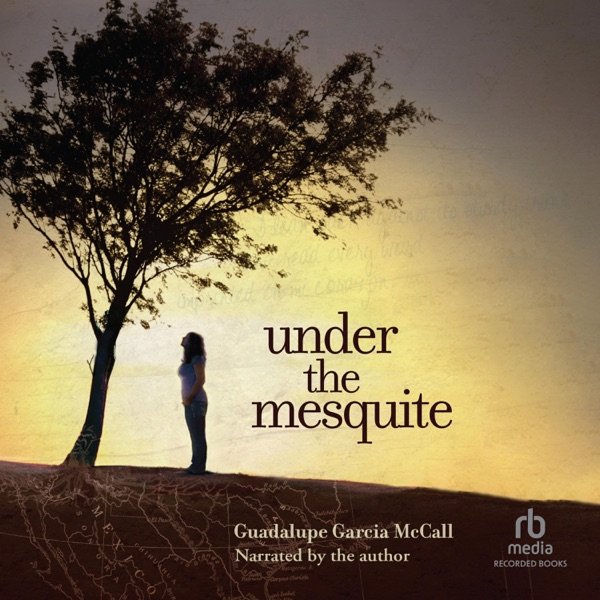
by Guadalupe Garcia McCall
A step up — ages 10–14 · grades 5–9
Skip it if your child is not ready for a book where death is central and grief is the engine, or if they find verse-novel form frustrating rather than freeing.
