For a reader who just finished
Books like What to Do When You Worry Too Much
after What to Do When You Worry Too Much by Dawn Huebner · ages 4–8
Same style
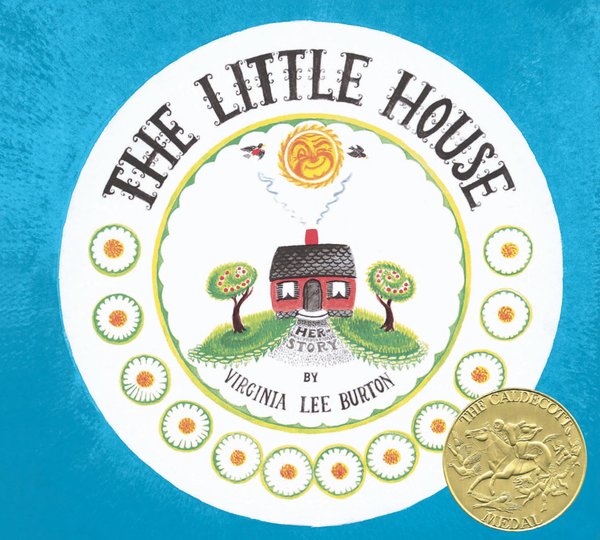
by Virginia Lee Burton
Picture book · ages 4–8 · grades K–3 · 550L
A 1942 Caldecott winner that still teaches environmental awareness and historical perspective without sentimentality—the illustrations do nearly all the storytelling work, making it perfect for nonverbal reflection with young kids.
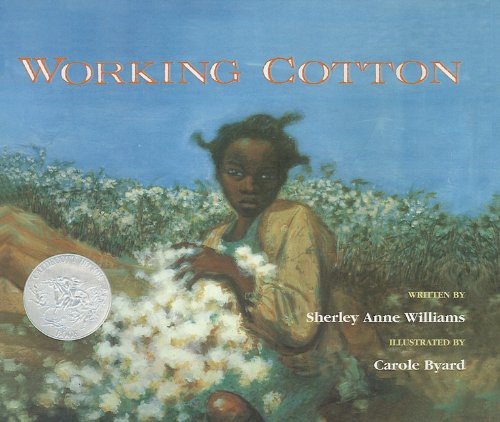
by Carole Byard
Picture book · ages 6–10 · grades 1–5 · 620L
Unflinching, lyrical, and told in the protagonist's own voice — this is the rare picture book that doesn't sentimentalize poverty but doesn't rob children of it either, and Carole Byard's collage art is extraordinary.
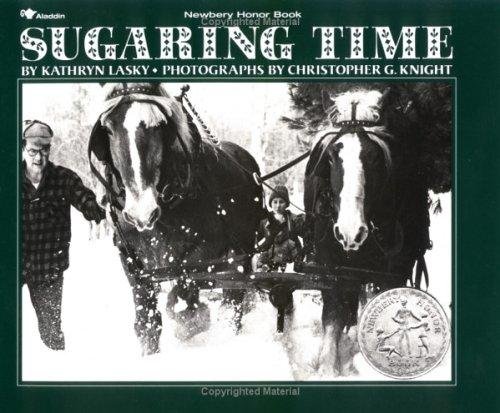
by Kathryn Lasky
Picture book · ages 5–9 · grades K–4 · 620L
A documentary-style picture book that makes process literacy exciting — kids grasp the whole arc from tree to table, and Lasky's matter-of-fact voice models scientific thinking without preaching.
Stretch them up
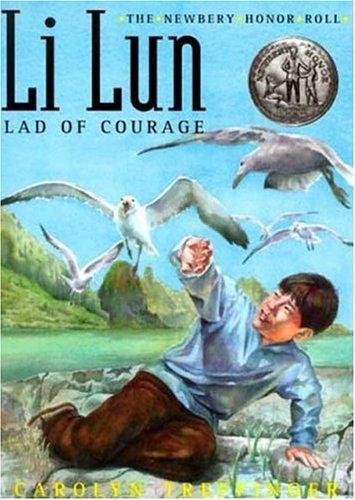
by Carolyn Treffinger
Picture book · ages 5–8 · grades K–3 · 720L
A quiet, genuinely moving intro to immigrant experience and cultural pride—rare among mid-century children's books for its emotional honesty and Cantonese language weaving.
Complementing on naming feelings
by Juan Felipe Herrera
Verse novel · ages 6–10 · grades 1–5 · 520L
A masterwork of bilingual wordplay that reads aloud with infectious energy—kids feel seen in the code-switching, and the poems actively teach that two languages in one mind is a superpower, not a problem.
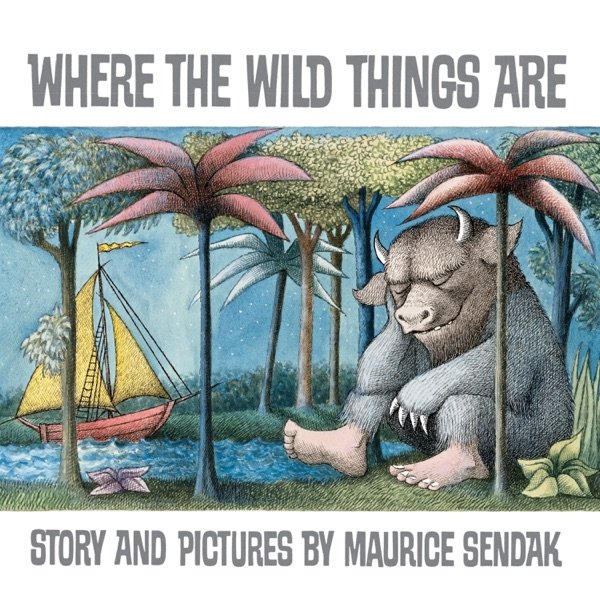
by Maurice Sendak
Picture book · ages 4–8 · grades K–3 · 420L
A masterpiece that works equally well as a raucous romp and a tender study of anger, wildness, and the pull of home—Sendak's illustrations are the co-author.
by Janan Cain
Picture book · ages 4–8 · grades K–3 · 300L
The clearest, most actionable emotional-vocabulary reference picture book for young kids—sturdy format, diverse representation, and zero saccharine framing.
We'd skip — for now
by Scott Nash
A step up — ages 8–12 · grades 3–7
Skip it if your child is in acute crisis mode around the divorce — this book works best after the immediate shock has settled and they're ready to organize their feelings.
