For a reader who just finished
Books like What the Night Sings
after What the Night Sings by Vesper Stamper · ages 10–14
Same style
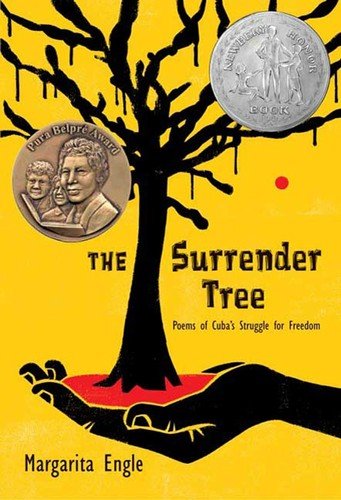
by Margarita Engle
Verse novel · ages 10–14 · grades 5–9 · 820L
A Newbery winner that uses verse to make a hard history emotionally immediate—kids who think they hate poetry often read this in one sitting, and it's the rare war book that makes 10-year-olds feel the moral weight without trauma.
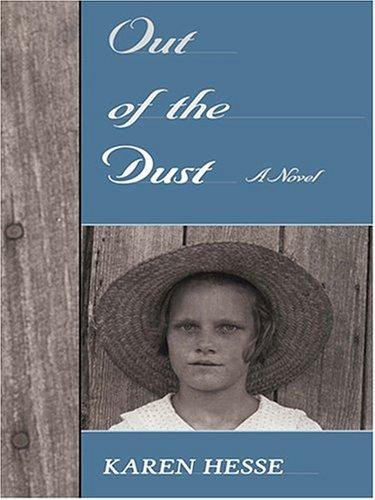
by Karen Hesse
Verse novel · ages 10–14 · grades 5–9 · 750L
A masterpiece of free verse that teaches environmental and economic history through a girl's grief—difficult, achingly human, and the rare middle-grade novel that doesn't soften its subject matter.
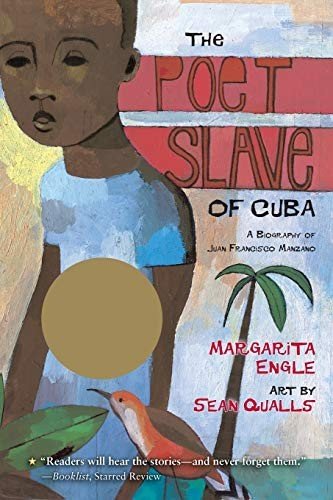
by Margarita Engle
Verse novel · ages 10–14 · grades 5–9 · 780L
A luminous, necessary biography in verse—Engle's form mirrors Manzano's own claim to poetry as an act of resistance, and the reading challenges are worth the emotional and historical weight.
Complementing on courage
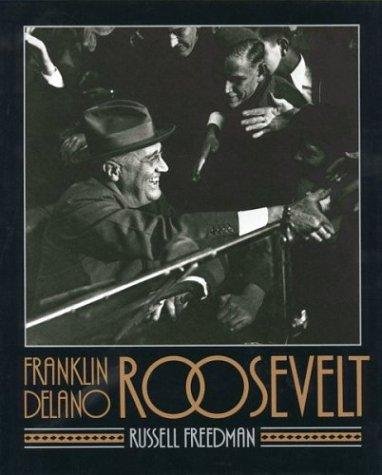
by Russell Freedman
Nonfiction · ages 9–12 · grades 4–7 · 820L
Freedman's accessible, photo-rich biography makes FDR's disability and determination feel immediate without sentimentality; kids grasp both the man and the era.
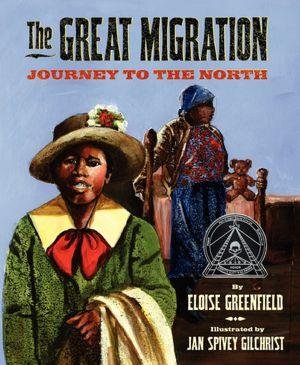
by Eloise Greenfield
Picture book · ages 6–9 · grades 1–4 · 620L
Eloise Greenfield's only children's book about the Great Migration—lyrical, historically grounded, and emotionally honest without being heavy; the illustrations anchor abstract history in real bodies and faces.
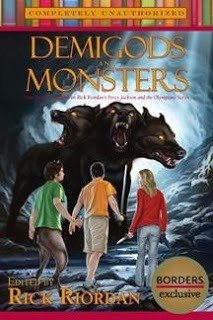
by Rick Riordan
Middle grade · ages 9–12 · grades 4–7 · 740L
The gold standard entry point for myths, quests, and kids who love witty protagonists — the ADHD/dyslexia angle feels earned, not decorative, and Riordan's voice carries slow readers through.
We'd skip — for now
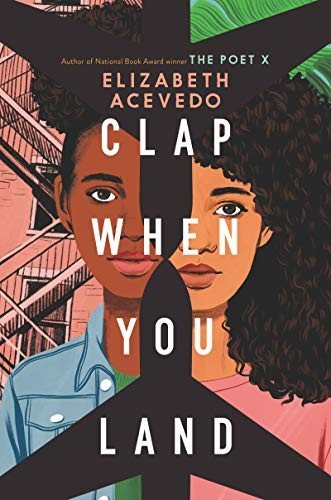
by Elizabeth Acevedo
A step up — ages 14–18 · grades 9–12
Skip it if your teen isn't ready for a book centered on grief and family secrets, or if reading poetry feels like a barrier (the verse form actually accelerates emotional understanding here, but some readers bounce off it).
