
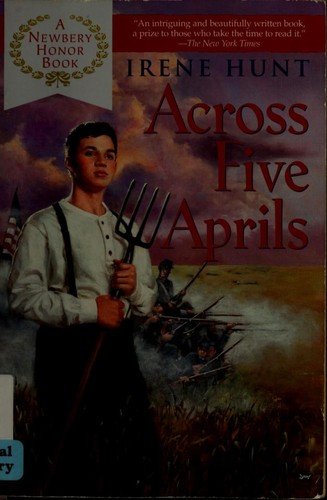
Across Five Aprils
by Irene Hunt
Middle grade · ages 10–14 · grades 5–9 · 780L
The gold standard for introducing the Civil War through a child's eyes—emotionally mature, historically rigorous, and completely unsentimental about the cost of conflict.
For a reader who just finished
after WE WERE LIARS by E. Lockhart · ages 14–18
Same style
by Irene Hunt
Middle grade · ages 10–14 · grades 5–9 · 780L
The gold standard for introducing the Civil War through a child's eyes—emotionally mature, historically rigorous, and completely unsentimental about the cost of conflict.

by Nancy Farmer
Middle grade · ages 10–14 · grades 5–9 · 810L
A genuinely complex coming-of-age novel that treats cloning and identity as philosophical problems, not gimmicks—Farmer builds a vivid dystopian world without talking down to readers.
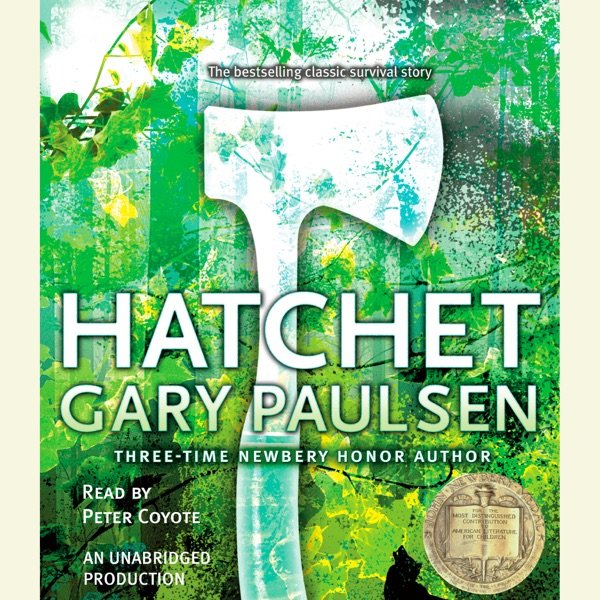
by Gary Paulsen
Middle grade · ages 10–14 · grades 5–9 · 760L
The survival standard: immediate, emotionally honest, and structured around problem-solving and failure-iteration that kids internalize deeply — far more memorable than its competitors because the stakes feel real and the solutions earned.
Stretch them up
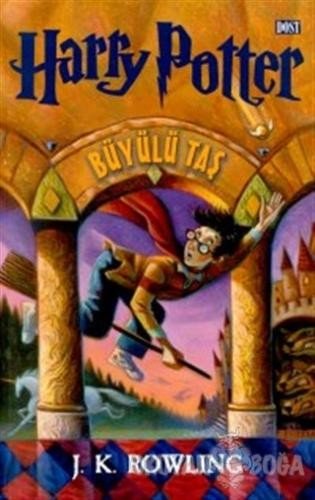
by J. K. Rowling
Middle grade · ages 9–12 · grades 4–7 · 880L
The book that redefined children's fiction — richly imagined world, genuine stakes, prose that respects young readers, and a protagonist's journey from isolation to belonging that doesn't feel saccharine.
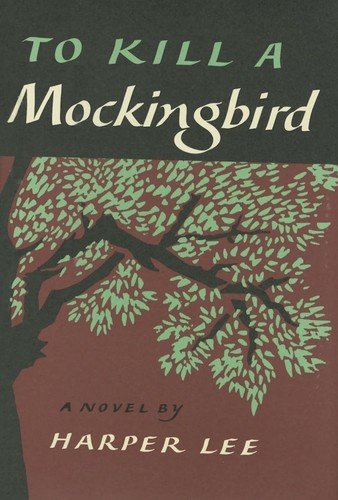
by Harper Lee
Middle grade · ages 10–14 · grades 5–9 · 870L
The most important American novel for this age—not because it's easy, but because Atticus's quiet model of conscience shapes how children think about justice and courage for decades.
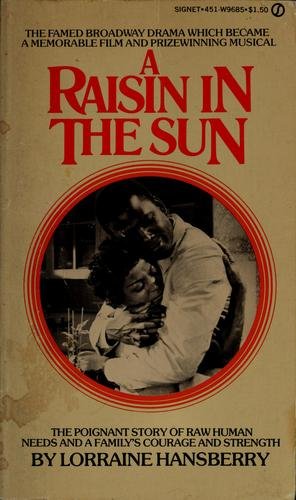
by Lorraine Hansberry
Young adult · ages 14–18 · grades 9–12 · 1020L
The canonical American play about Black family life and the cost of systemic racism—essential reading for teens old enough to hold its complexity and grief, and likely to reshape how they think about class, aspiration, and dignity.
Complementing on truth
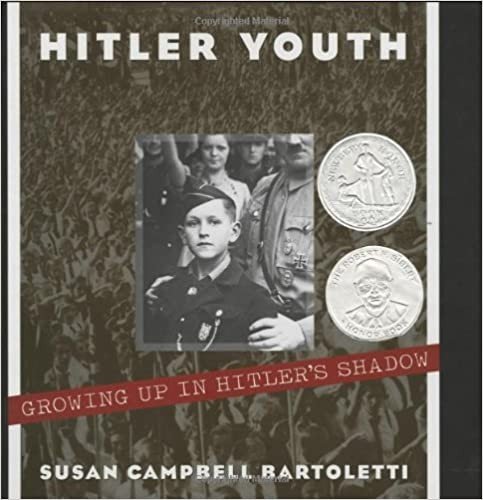
by Susan Campbell Bartoletti
Nonfiction · age 10+ · grade 5+ · 1050L
The most honest, unflinching introduction to how propaganda works on young minds—essential reading for understanding WWII and how democracies stay vigilant.
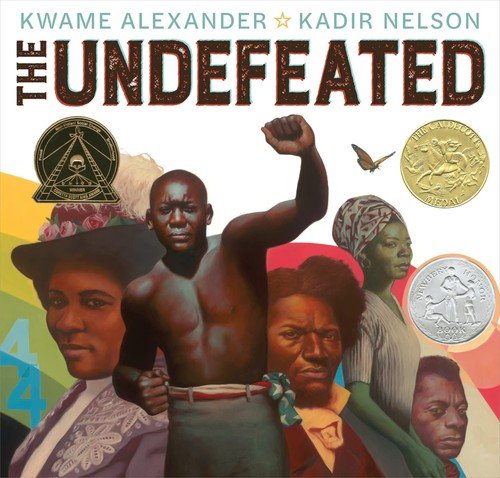
by Kwame Alexander
Verse novel · ages 10–14 · grades 5–9 · 620L
A landmark book that uses verse to make 500 years of Black American history personal and urgent—kids understand their own power within a larger story.
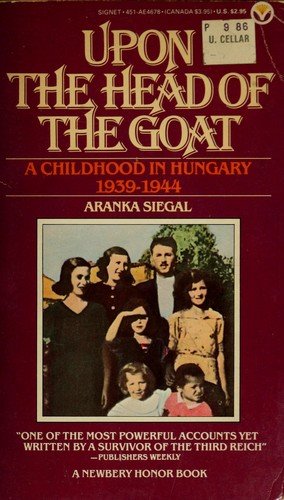
by Aranka Siegal
Nonfiction · ages 10–14 · grades 5–9 · 840L
A masterwork of Holocaust memoir written in a child's voice—unflinching about fear and loss, but grounded in the texture of ordinary summers, school, and family that make the encroaching darkness undeniable.