For a reader who just finished
Books like We Are the Ship: The Story of Negro League Baseball
after We Are the Ship: The Story of Negro League Baseball by Kadir Nelson · ages 8–12
Same style
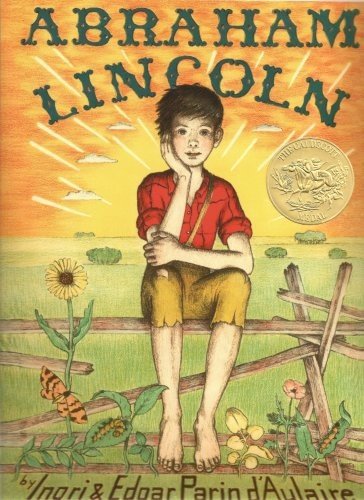
by Ingri and Edgar Parin d'Aulaire
Picture book · ages 6–10 · grades 1–5 · 800L
The d'Aulaires' Lincoln is a masterpiece—sumptuous illustrations and narrative prose that makes a difficult life feel epic and human; kids absorb both the story and a sense of why Lincoln matters.

by Teresa Robeson
Picture book · ages 8–12 · grades 3–7 · 820L
A rigorous, visually compelling introduction to a physicist whose breakthrough experiment changed nuclear physics—told without condescension or sentimentality.
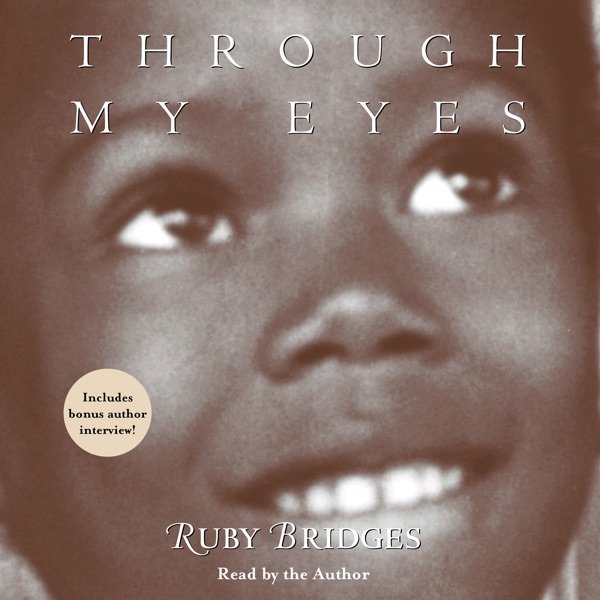
by Ruby Bridges
Picture book · ages 6–10 · grades 1–5 · 620L
The gold standard for introducing desegregation to early readers—Ruby's voice is calm and observant, the pictures are unflinching without being sensationalized, and the book trusts kids to understand why this matters.
Complementing on justice
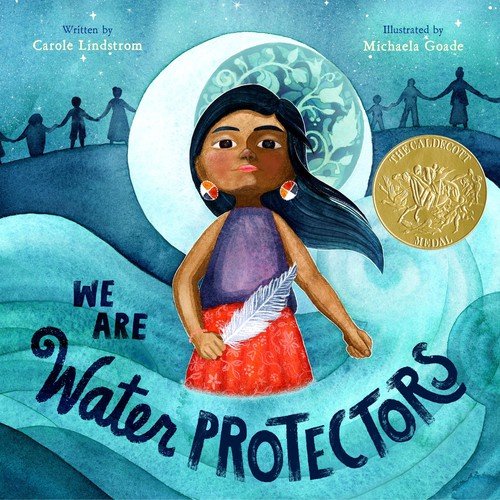
by Michaela Goade
Picture book · ages 4–8 · grades K–3
A stunning, unapologetic picture book that teaches kids water is alive and worth protecting; Michaela Goade's art transforms activism into something children feel in their bones.
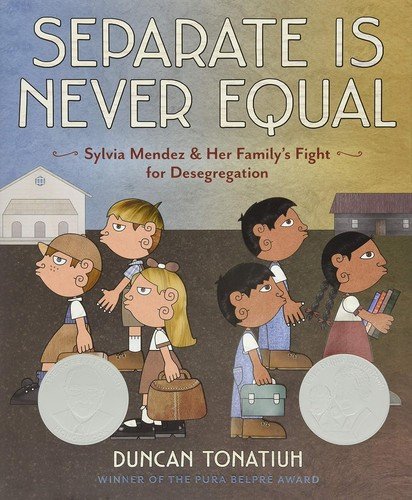
by Duncan Tonatiuh
Picture book · ages 6–10 · grades 1–5 · 680L
A landmark picture-book biography that introduces segregation and civil rights through a specific, winnable legal fight—rare to find this historically significant and emotionally grounded for early elementary.
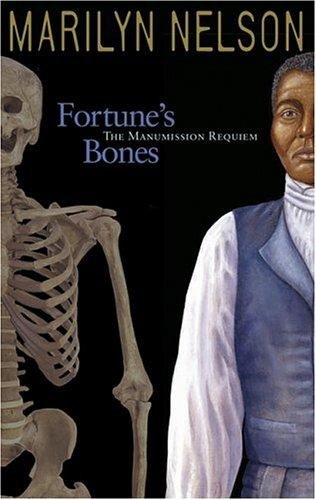
by Marilyn Nelson
Verse novel · ages 10–14 · grades 5–9 · 780L
A profound, formally ambitious poem cycle that treats slavery and its aftermath with dignity and linguistic rigor — kids mature enough for it will return to it for years.
We'd skip — for now
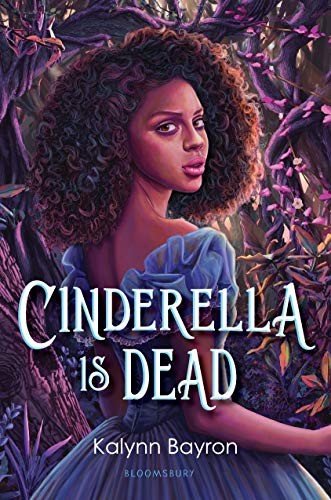
by Kalynn Bayron
A step up — ages 14–18 · grades 9–12
Skip it if your teen hasn't yet had conversations about gender roles and sexuality, or if graphic depictions of patriarchal enforcement (forced debutante balls, surveillance of girls' bodies and behavior) will feel too pointed.
