For a reader who just finished
Books like THE U.S. CONSTITUTION
after THE U.S. CONSTITUTION by Melissa Murray · ages 8–12
Same style
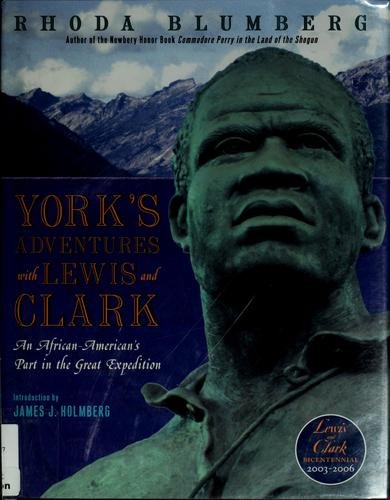
by Rhoda Blumberg
Nonfiction · ages 8–12 · grades 3–7 · 790L
The only children's biography that treats York as a thinking subject rather than a sidecar to Lewis and Clark; Blumberg's honesty about historical gaps models what real scholarship looks like.
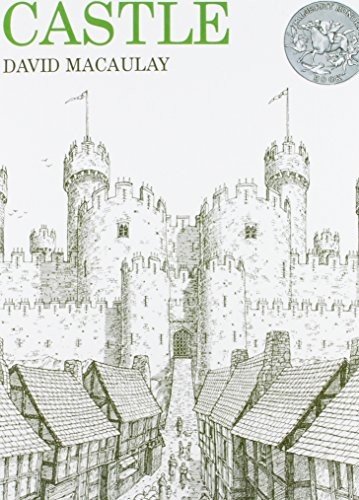
by David Macaulay
Nonfiction · ages 8–12 · grades 3–7 · 720L
Macaulay's masterpiece — architectural history made visceral through illustration and narrative; kids who engage deeply will ask real questions about how things are built.
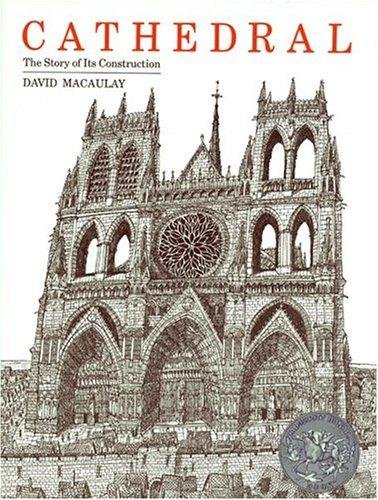
by David Macaulay
Nonfiction · ages 8–12 · grades 3–7 · 720L
The gold standard for teaching kids that buildings are solved problems—Macaulay's pen drawings are so clear that 8-year-olds grasp why cathedrals are built the way they are, and curious kids will return to it for years.
Complementing on rule of law
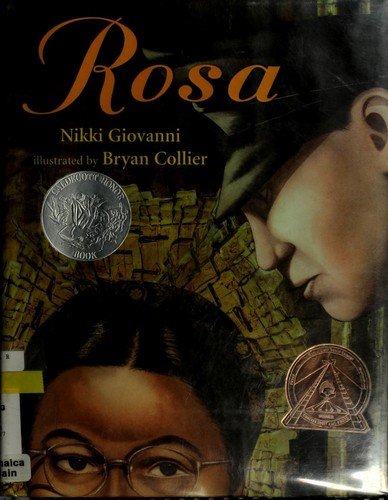
by Bryan Collier
Picture book · ages 4–8 · grades K–3 · 630L
The most honest picture-book account of Rosa Parks for this age—spare, dignified prose and collage art that honors rather than sentimentalizes; kids grasp both the everyday strength and the historical weight.
by '''Bad News for Outlaws: The Remarkable Life of Bass Reeves, Deputy U.S. Marshal'''
Picture book · ages 7–10 · grades 2–5 · 680L
A visually stunning biography that reclaims a footnote of American history and answers a child's question ('Can one person change things?') with one unforgettable answer.
by '''Bad News for Outlaws: The Remarkable Life of Bass Reeves, Deputy U.S. Marshal'''
Picture book · ages 7–10 · grades 2–5 · 680L
A visually stunning biography that reclaims a footnote of American history and answers a child's question ('Can one person change things?') with one unforgettable answer.
We'd skip — for now
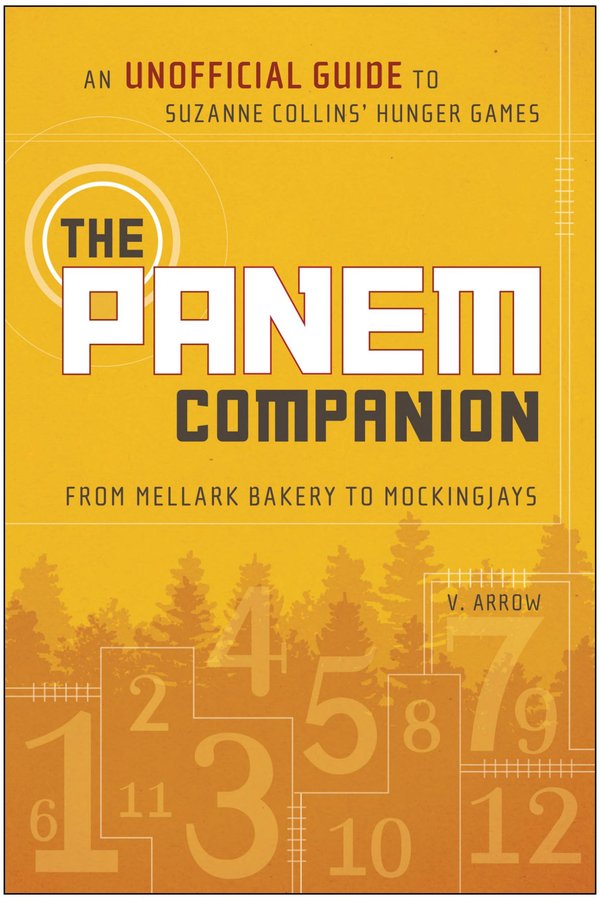
by V. Arrow
A step up — ages 13–18 · grades 8–12
Skip it if your teen hasn't read *The Hunger Games* or isn't interested in the series; this is entirely companion material with no standalone narrative.
