
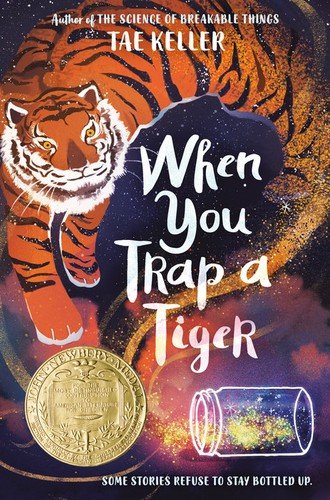
When You Trap a Tiger
by Tae Keller
Middle grade · ages 8–12 · grades 3–7 · 750L
A rare middle-grade book that treats grief and cultural identity with real weight—the magic is a metaphor, not an escape, and Lily's growth is earned, not gifted.
For a reader who just finished
after THE THINGS WE NEVER SAY by Elizabeth Strout · ages 8–12
Same style
by Tae Keller
Middle grade · ages 8–12 · grades 3–7 · 750L
A rare middle-grade book that treats grief and cultural identity with real weight—the magic is a metaphor, not an escape, and Lily's growth is earned, not gifted.
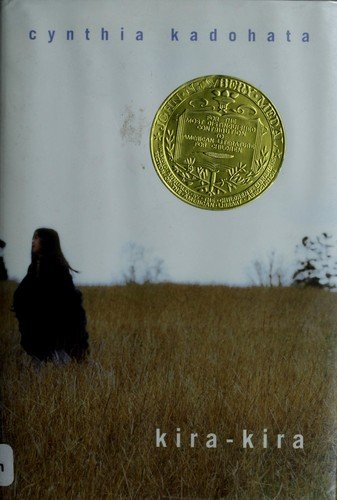
by Cynthia Kadohata
Middle grade · ages 9–12 · grades 4–7 · 760L
A Newbery Medal winner that earns it—luminous, unsentimental, and genuinely about how love and small moments sustain a family facing real hardship and loss.
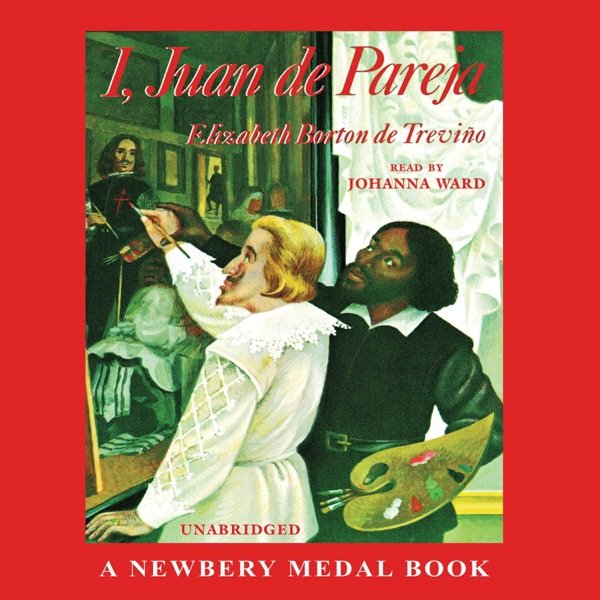
by Elizabeth Borton de Treviño
Middle grade · ages 10–14 · grades 5–9 · 750L
A historically grounded, moving portrait of an actual apprentice to Velázquez—teaches art history, identity, and kindness through a real relationship, not didacticism; the sparse, honest prose asks kids to sit with complexity.
Stretch them up
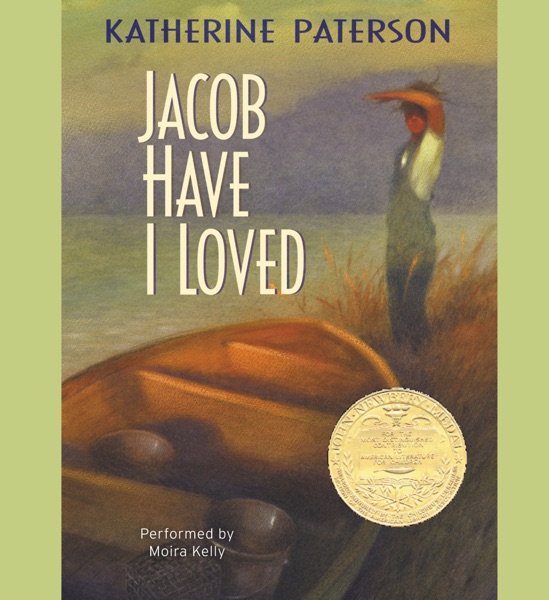
by Katherine Paterson
Middle grade · ages 10–14 · grades 5–9 · 820L
A Newbery winner that actually deserves it—Paterson writes sibling resentment and reconciliation with such honesty that kids recognize their own families, and the 1941 Chesapeake setting carries real historical weight without preaching.
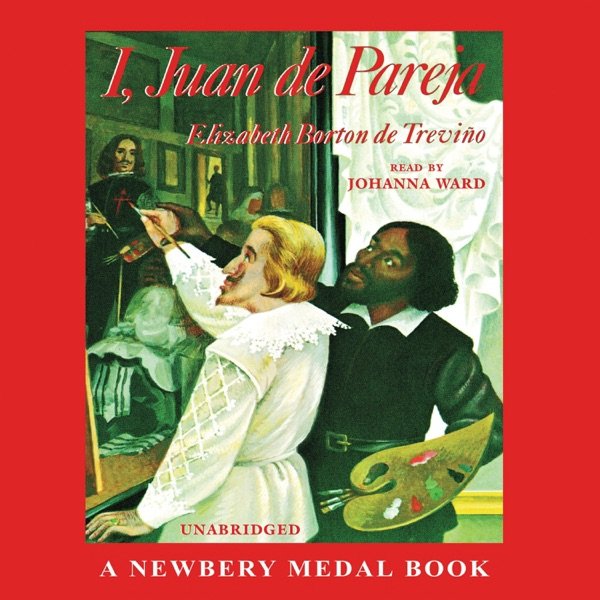
by Elizabeth Borton de Treviño
Middle grade · ages 10–14 · grades 5–9 · 820L
A Newbery winner that doesn't condescend—serious, historically grounded, and genuinely about how one person's refusal to accept powerlessness can remake a life; the prose is elegant and the emotional core is real.
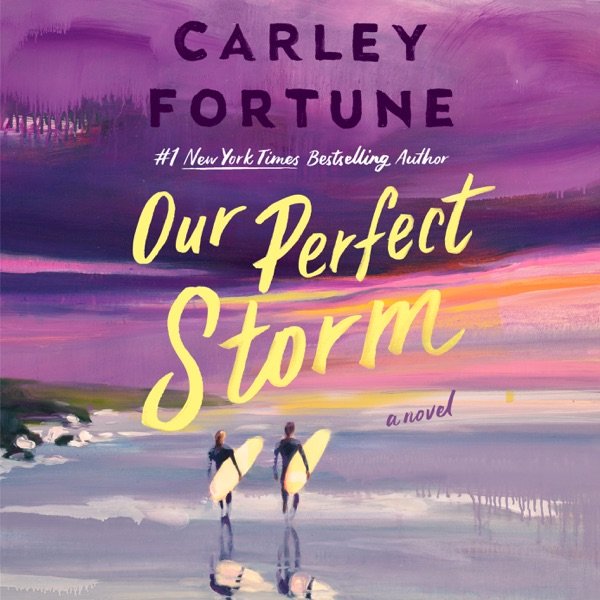
by Carley Fortune
Middle grade · ages 9–12 · grades 4–7 · 820L
A genuinely smart dual-POV friendship story that takes neurodivergence seriously without making it the whole personality—the hurricane is real tension, not metaphor.
Complementing on friendship
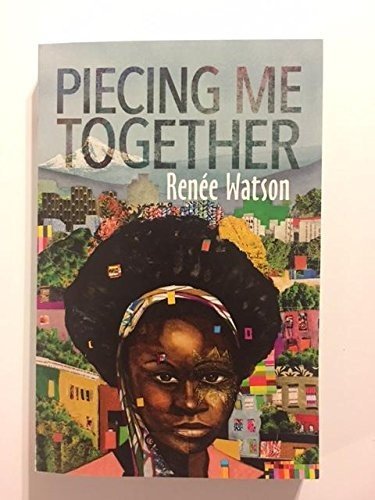
by Renée Watson
Middle grade · ages 10–14 · grades 5–9 · 780L
Quiet, unflinching portrait of a girl learning to trust her own vision—both literal (through collage) and metaphorical—when adults and peers constantly frame her through their own biases; the collage illustrations are structural, not decorative.
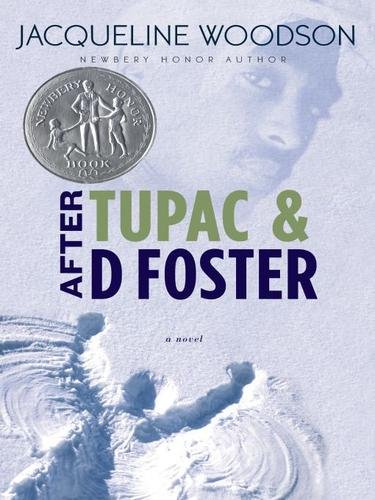
by Jacqueline Woodson
Middle grade · ages 10–14 · grades 5–9 · 720L
Woodson's lyrical prose and unflinching portrayal of 1990s Black girlhood make this a quiet masterpiece—the kind of book that stays with kids long after they finish, reshaping how they think about friendship and loss.
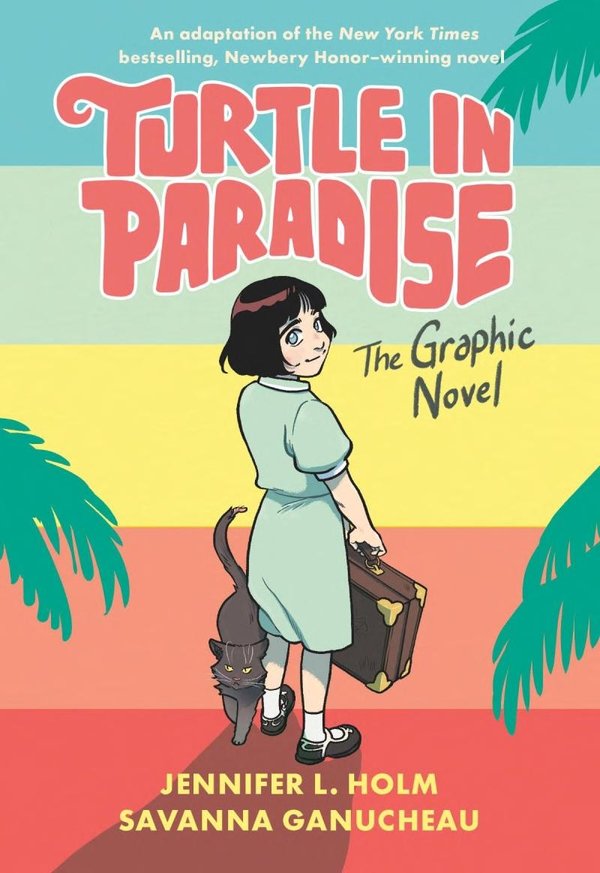
by Jennifer L. Holm
Middle grade · ages 8–12 · grades 3–7 · 760L
A Depression-era jewel that doesn't lecture—Turtle's scrappiness and the vividness of Key West make history immediate, and the message (belonging is something you find, not something you inherit) lands quietly and hard.
We'd skip — for now
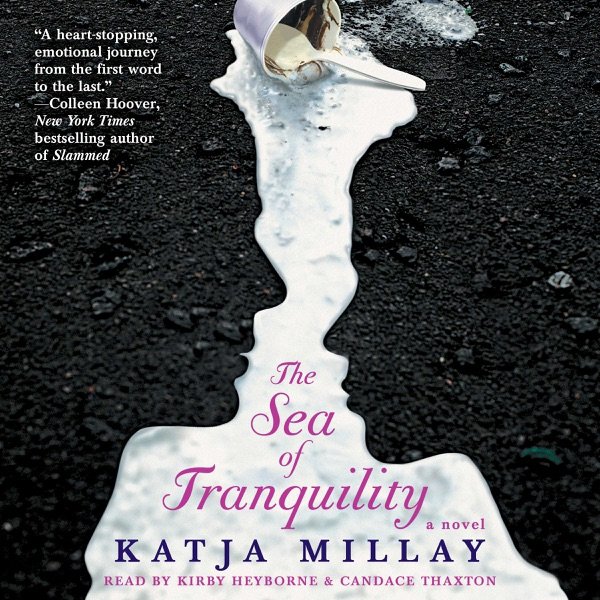
by Katja Millay
A step up — ages 12–16 · grades 7–11
Skip it if your teen has been triggered by selective mutism or social anxiety portrayed as pathology rather than identity; the framing is mostly sympathetic but clinically lean.