
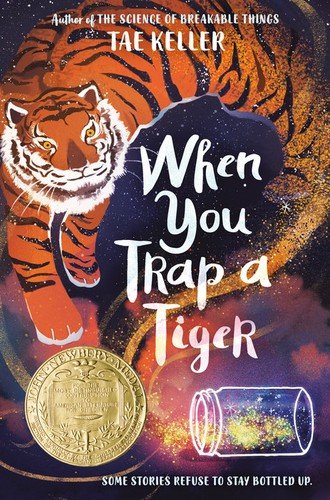
When You Trap a Tiger
by Tae Keller
Middle grade · ages 8–12 · grades 3–7 · 750L
A rare middle-grade book that treats grief and cultural identity with real weight—the magic is a metaphor, not an escape, and Lily's growth is earned, not gifted.
For a reader who just finished
after The Tale of Despereaux by Kate DiCamillo · ages 8–12
Same style
by Tae Keller
Middle grade · ages 8–12 · grades 3–7 · 750L
A rare middle-grade book that treats grief and cultural identity with real weight—the magic is a metaphor, not an escape, and Lily's growth is earned, not gifted.
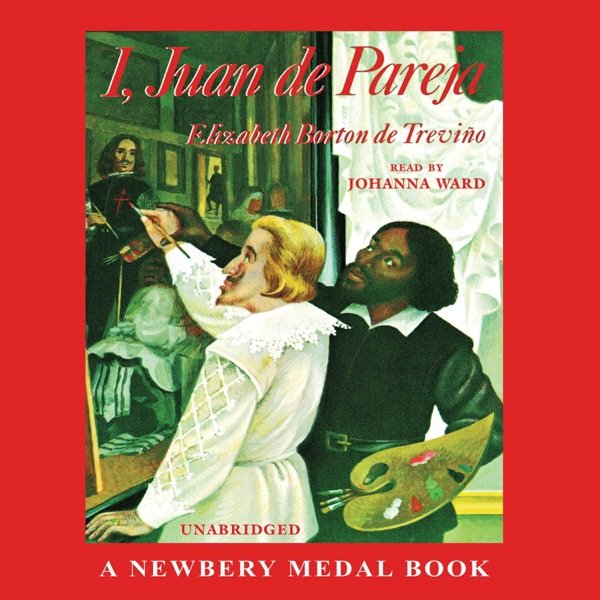
by Elizabeth Borton de Treviño
Middle grade · ages 10–14 · grades 5–9 · 750L
A historically grounded, moving portrait of an actual apprentice to Velázquez—teaches art history, identity, and kindness through a real relationship, not didacticism; the sparse, honest prose asks kids to sit with complexity.
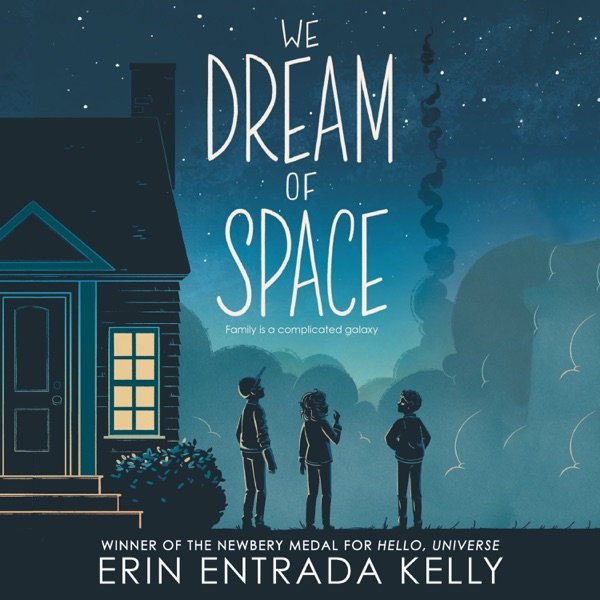
by Erin Entrada Kelly
Middle grade · ages 8–12 · grades 3–7 · 750L
A rare middle-grade novel that uses the Challenger disaster as backdrop for genuine interior lives—the three narrators are distinct and complex enough that kids recognize themselves in unexpected places.
Stretch them up
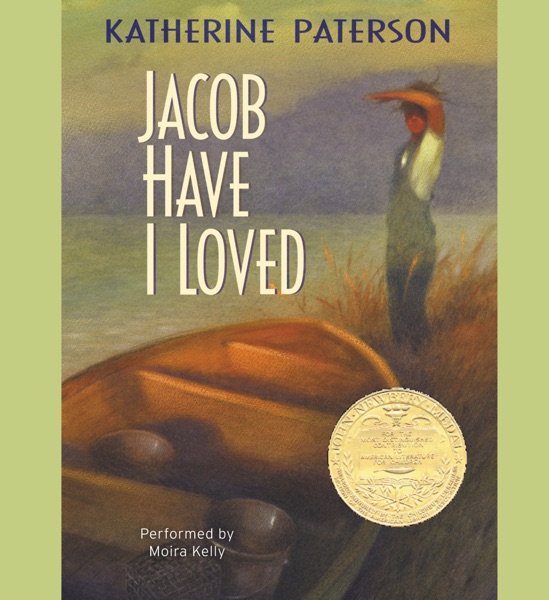
by Katherine Paterson
Middle grade · ages 10–14 · grades 5–9 · 820L
A Newbery winner that actually deserves it—Paterson writes sibling resentment and reconciliation with such honesty that kids recognize their own families, and the 1941 Chesapeake setting carries real historical weight without preaching.
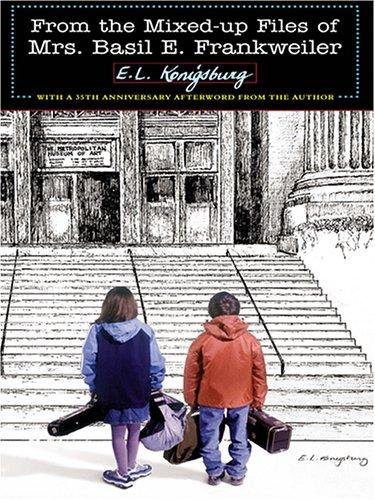
by E. L. Konigsburg
Middle grade · ages 8–12 · grades 3–7 · 790L
A book that trusts kids to be intellectually bored and emotionally complex—Claudia's runaway isn't melodrama, it's a quiet reckoning with identity that lands harder on rereads.
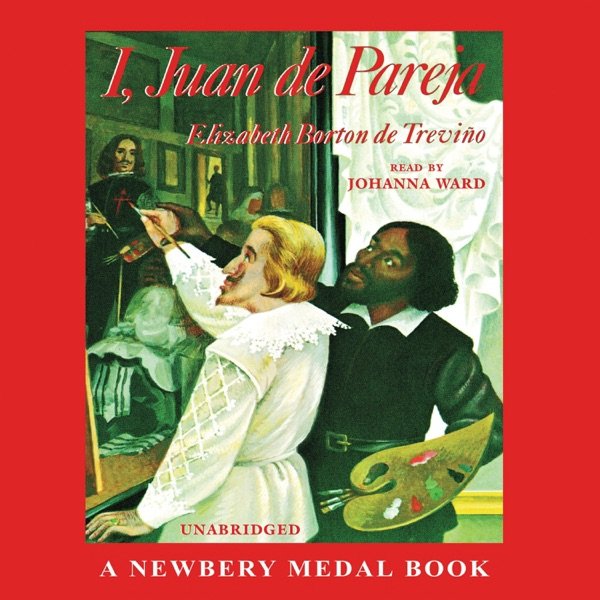
by Elizabeth Borton de Treviño
Middle grade · ages 10–14 · grades 5–9 · 820L
A Newbery winner that doesn't condescend—serious, historically grounded, and genuinely about how one person's refusal to accept powerlessness can remake a life; the prose is elegant and the emotional core is real.
Complementing on courage
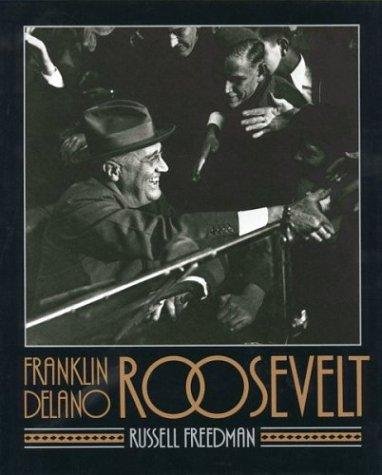
by Russell Freedman
Nonfiction · ages 9–12 · grades 4–7 · 820L
Freedman's accessible, photo-rich biography makes FDR's disability and determination feel immediate without sentimentality; kids grasp both the man and the era.
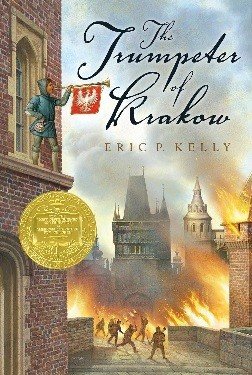
by Eric P. Kelly
Middle grade · ages 8–12 · grades 3–7 · 800L
A Newbery winner that feels genuinely historical without being a slog — the mystery of the trumpet and the boy's quiet bravery make it memorable for kids who can handle older prose.
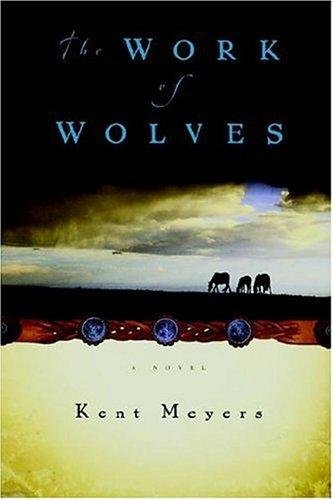
by Kent Meyers
Middle grade · ages 10–14 · grades 5–9 · 780L
Quiet, grounded coming-of-age where a Nebraska kid learns to trust observation over inherited fear—Meyers' prose is deliberate and the wolf ecology is genuinely taught, not romanticized.
We'd skip — for now
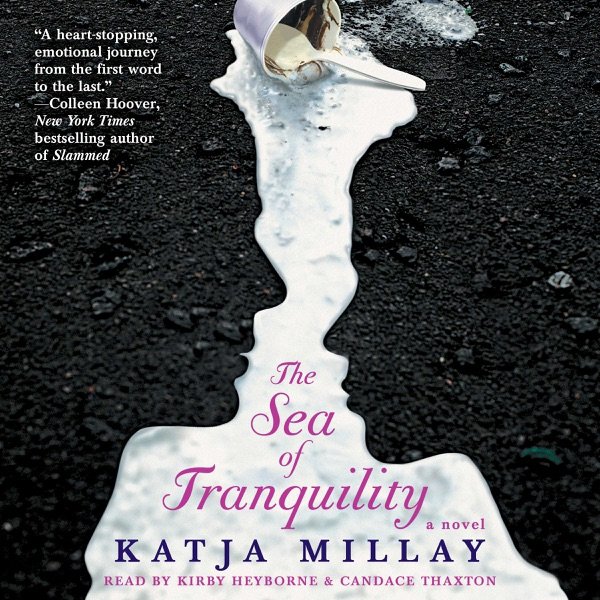
by Katja Millay
A step up — ages 12–16 · grades 7–11
Skip it if your teen has been triggered by selective mutism or social anxiety portrayed as pathology rather than identity; the framing is mostly sympathetic but clinically lean.