For a reader who just finished
Books like The People Could Fly: American Black Folktales
after The People Could Fly: American Black Folktales by Leo and Diane Dillon · ages 6–10
Same style
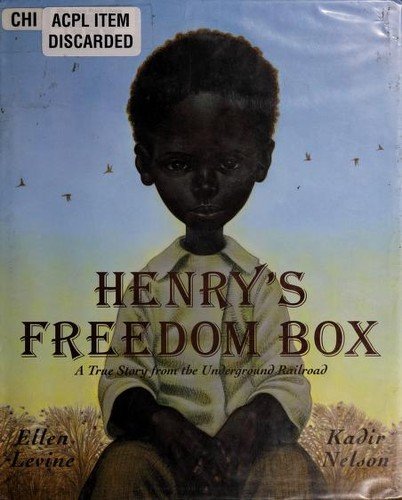
by Kadir Nelson
Picture book · ages 6–9 · grades 1–4 · 620L
A historically grounded, emotionally powerful introduction to slavery and resistance—Nelson's art makes Henry's humanity and terror equally visible, and the true-story frame anchors conversations without preaching.
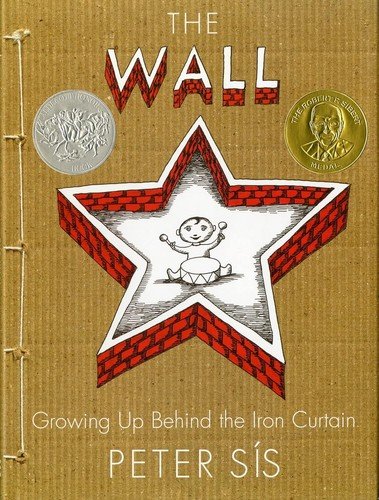
by Peter Sís
Picture book · ages 8–12 · grades 3–7 · 620L
A masterwork of visual autobiography that teaches Cold War history through lived experience, not textbook; Sís's intricate, layered illustrations reward rereading and conversation with an adult.
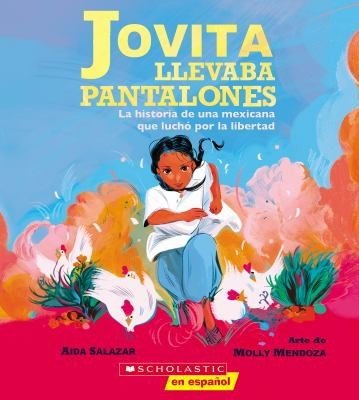
by Molly Mendoza
Picture book · ages 6–9 · grades 1–4 · 620L
A historically grounded, unsentimental picture-book biography that treats a 10-year-old reader as ready for both gender identity and war — the illustrations are respectful and the narrative refuses to sand down the stakes.
Stretch them up
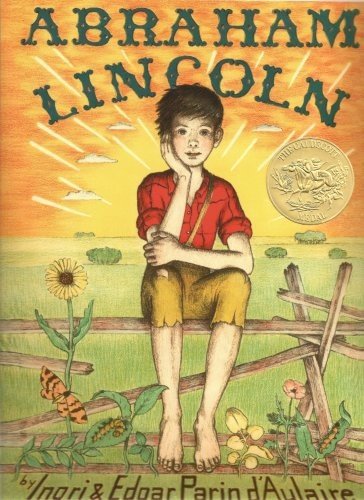
by Ingri and Edgar Parin d'Aulaire
Picture book · ages 6–10 · grades 1–5 · 800L
The d'Aulaires' Lincoln is a masterpiece—sumptuous illustrations and narrative prose that makes a difficult life feel epic and human; kids absorb both the story and a sense of why Lincoln matters.
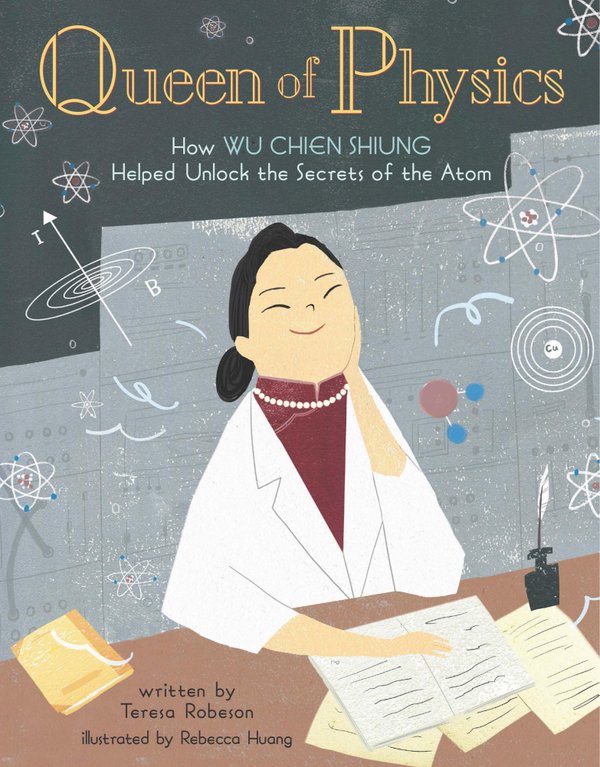
by Teresa Robeson
Picture book · ages 8–12 · grades 3–7 · 820L
A rigorous, visually compelling introduction to a physicist whose breakthrough experiment changed nuclear physics—told without condescension or sentimentality.
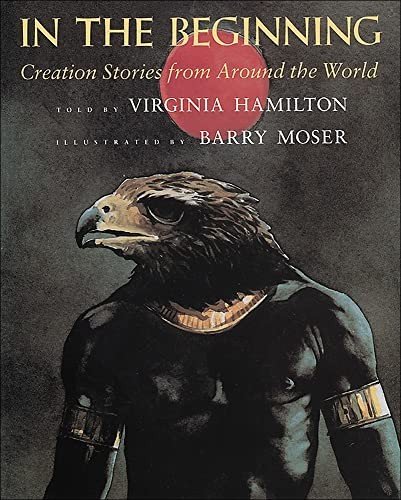
by Virginia Hamilton
Picture book · ages 5–9 · grades K–4 · 820L
Gorgeous, sophisticated, and genuinely restful — Hamilton's prose elevates world mythology without condescension, and Barry Moser's illustrations deepen the dreamlike authority of each story.
Complementing on courage
by Teresa Robeson
Picture book · ages 8–12 · grades 3–7 · 820L
A rigorous, visually compelling introduction to a physicist whose breakthrough experiment changed nuclear physics—told without condescension or sentimentality.
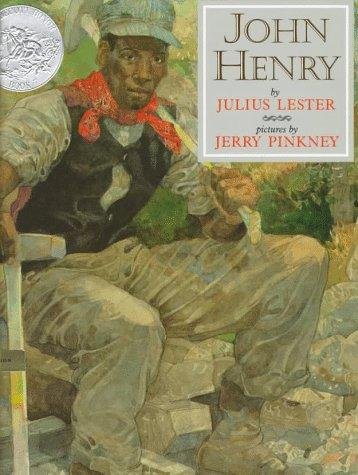
by Jerry Pinkney
Picture book · ages 4–8 · grades K–3
Pinkney's watercolors transform the folk ballad into a visually luminous, emotionally serious meditation on dignity and human worth—the kind of picture book that deepens with rereading and holds up for adult readers.
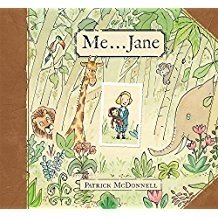
by Patrick McDonnell
Picture book · ages 4–8 · grades K–3 · 620L
McDonnell's watercolor dreaming captures the tender obsession of a girl with animals — this is how most naturalists start, and the book honors that without sentimentality.
We'd skip — for now
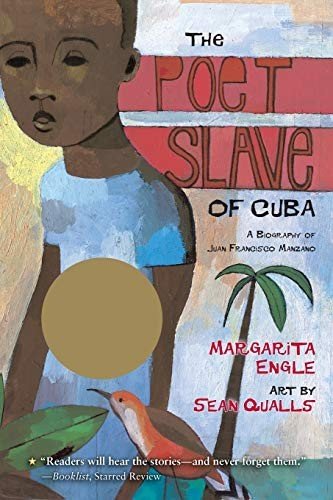
by Margarita Engle
A step up — ages 10–14 · grades 5–9
Skip it if your child hasn't encountered slavery as a topic before; this is unflinching about abuse and degradation, and requires maturity to hold the historical context without trauma.
