For a reader who just finished
Books like The Most Magnificent Thing
after The Most Magnificent Thing by Ashley Spires · ages 4–8
Same style
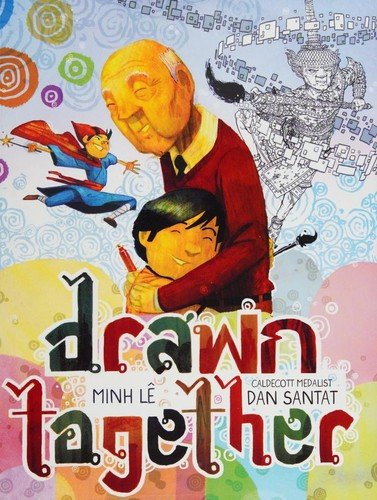
by Minh Lê
Picture book · ages 4–8 · grades K–3 · 500L
A quietly perfect friendship origin story — wordless dialogue and illustration do the heavy lifting, making this work equally well for emerging and fluent readers, and normalizing cross-cultural friendship without preaching.
by Melissa Sweet
Picture book · ages 5–9 · grades K–4 · 620L
Melissa Sweet's love letter to words and precision—luminous illustrations and a real biography that makes linguistic obsession feel like the greatest adventure, perfect for kids who already love language or need to discover they do.
by Melissa Sweet
Picture book · ages 5–9 · grades K–4 · 620L
Melissa Sweet's love letter to words and precision—luminous illustrations and a real biography that makes linguistic obsession feel like the greatest adventure, perfect for kids who already love language or need to discover they do.
Stretch them up
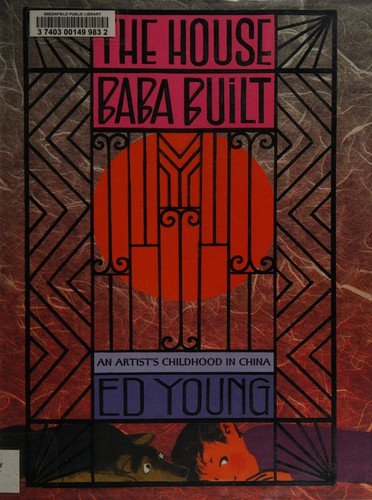
by Ed Young
Picture book · ages 4–8 · grades K–3 · 620L
A lyrical, elegantly illustrated memoir for young readers that treats childhood displacement and cultural identity with literary depth without condescension—the collage-style art is as much the story as the words.
by Trombone Shorty
Picture book · ages 4–8 · grades K–3 · 620L
A vibrant, authentic introduction to New Orleans jazz culture and a kid who chose music; Collier's collage art pulses with joy and the first-person voice feels genuinely lived-in.
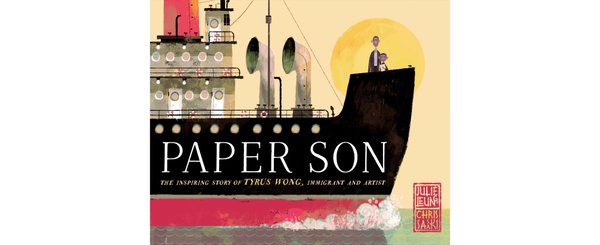
by Julie Leung
Picture book · ages 6–10 · grades 1–5 · 620L
A vivid picture-book biography that centers an overlooked artist's refusal to abandon his culture; the illustrations honor Tyrus's own artistic eye and give younger kids a concrete, stirring entry to immigration stories.
Complementing on iteration failure
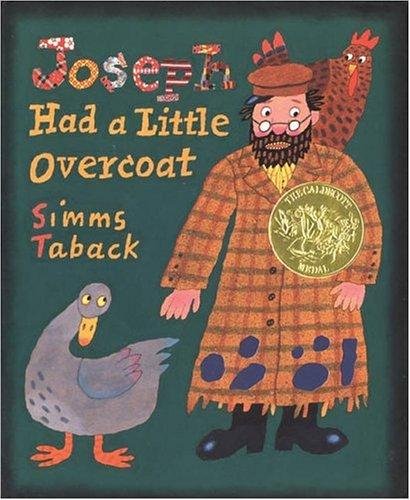
by Simms Taback
Picture book · ages 4–8 · grades K–3
A Caldecott winner with genuine visual wit and a sneaky economics lesson — kids trace the transformation, parents notice Joseph's refusal to waste and his creative persistence.
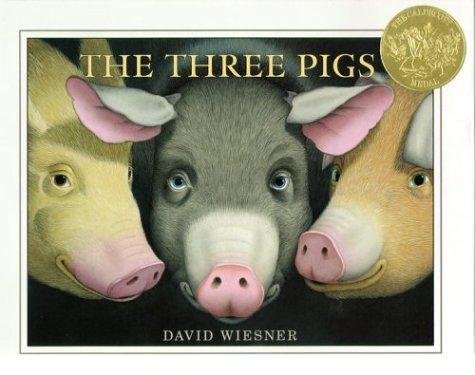
by David Wiesner
Picture book · ages 4–8 · grades K–3
A wordless masterpiece that teaches iteration and agency through anarchic visual storytelling—kids laugh at the absurdity while absorbing how failure leads to better solutions.
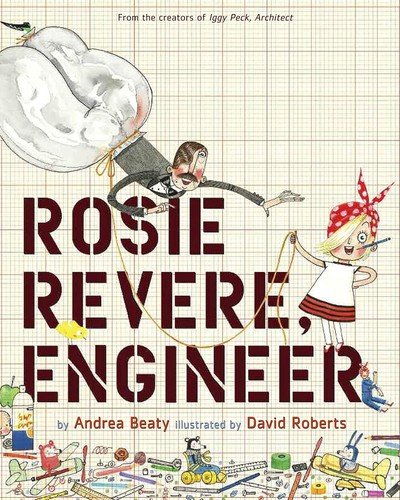
by Andrea Beaty
Picture book · ages 4–8 · grades K–3 · 620L
The rare picture book that introduces iteration and failure as *positive forces* without being preachy — Rosie's joy in building matters as much as the lesson.
We'd skip — for now
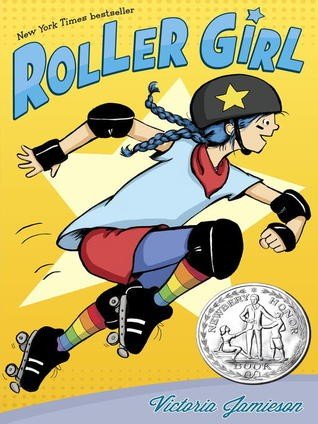
by Victoria Jamieson
A step up — ages 8–12 · grades 3–7
Skip it if your daughter is currently in a conflict with a best friend; the tension may feel too raw before enough time has passed.
