For a reader who just finished
Books like The Empty Pot
after The Empty Pot by Demi · ages 4–8
Same style
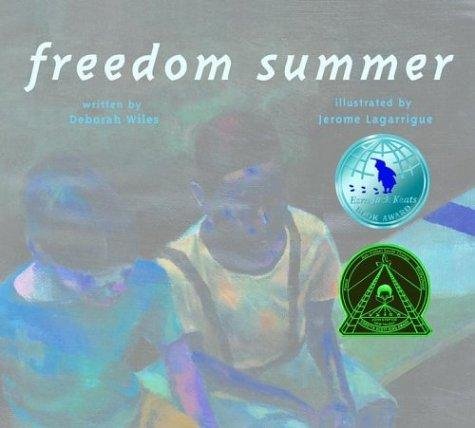
by Deborah Wiles
Picture book · ages 6–10 · grades 1–5 · 620L
Essential historical picture book that refuses to soften the machinery of segregation while centering a child's moral awakening—illustrated in a way that makes systemic racism visible without being traumatizing.
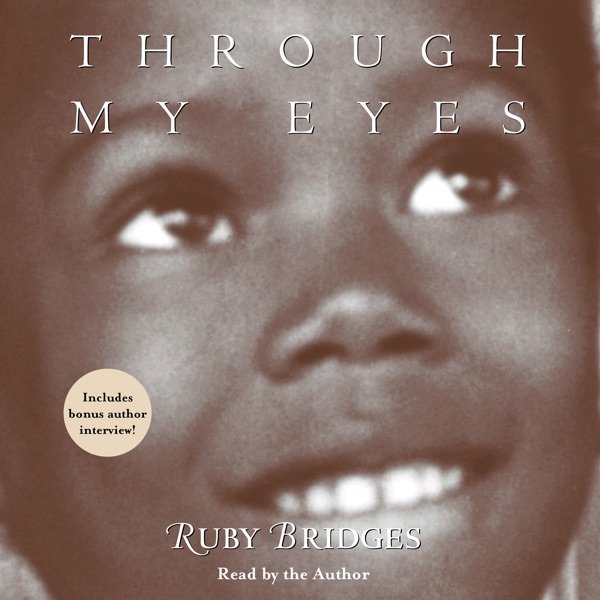
by Ruby Bridges
Picture book · ages 6–10 · grades 1–5 · 620L
The gold standard for introducing desegregation to early readers—Ruby's voice is calm and observant, the pictures are unflinching without being sensationalized, and the book trusts kids to understand why this matters.
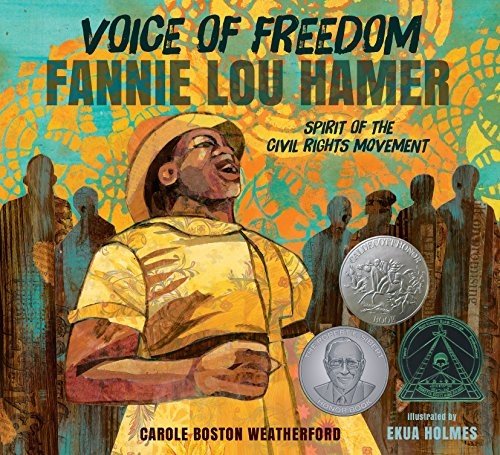
by Ekua Holmes
Picture book · ages 6–9 · grades 1–4 · 620L
A picture book that does not talk down to kids about racism or courage—Holmes's collage art and Hamer's own voice (via quotations) make her resilience vivid and real, not sanitized.
Stretch them up
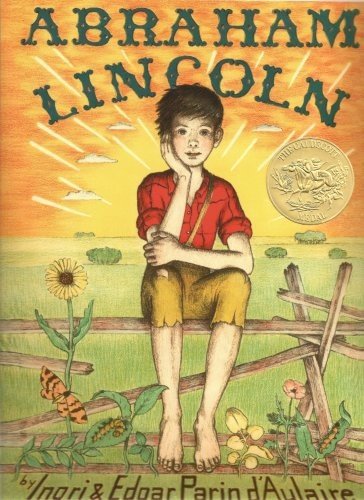
by Ingri and Edgar Parin d'Aulaire
Picture book · ages 6–10 · grades 1–5 · 800L
The d'Aulaires' Lincoln is a masterpiece—sumptuous illustrations and narrative prose that makes a difficult life feel epic and human; kids absorb both the story and a sense of why Lincoln matters.
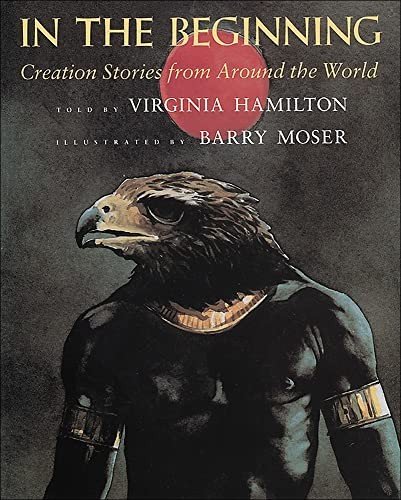
by Virginia Hamilton
Picture book · ages 5–9 · grades K–4 · 820L
Gorgeous, sophisticated, and genuinely restful — Hamilton's prose elevates world mythology without condescension, and Barry Moser's illustrations deepen the dreamlike authority of each story.
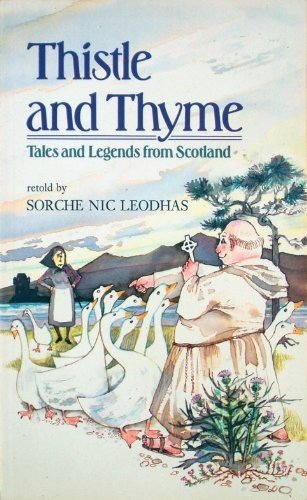
by Sorche Nic Leodhas
Picture book · ages 6–10 · grades 1–5 · 750L
Nic Leodhas is a master of folkloric voice—these Scottish tales are funny, strange, and told with a cadence that makes them feel lived-in; read aloud for maximum enchantment.
We'd skip — for now
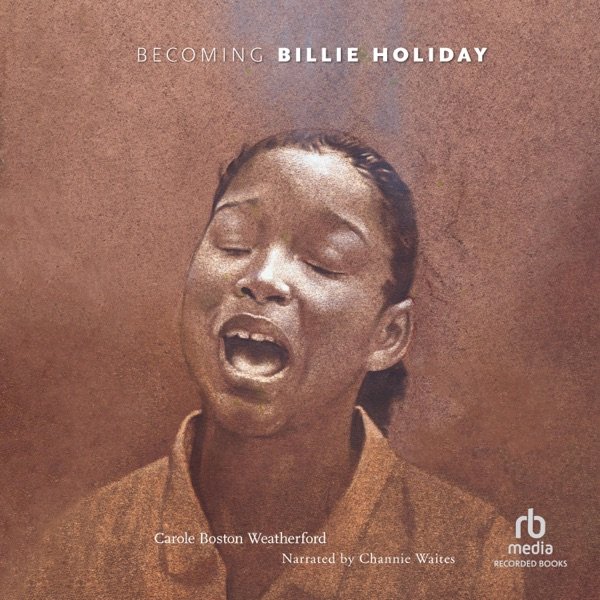
by Carole Boston Weatherford
A step up — ages 8–12 · grades 3–7
Skip it if your child hasn't discussed racism and poverty yet, or if depictions of child abuse and substance use (even handled with dignity) would be overwhelming.
