For a reader who just finished
Books like The Diary of a Young Girl
after The Diary of a Young Girl by Anne Frank · age 10+
Same style
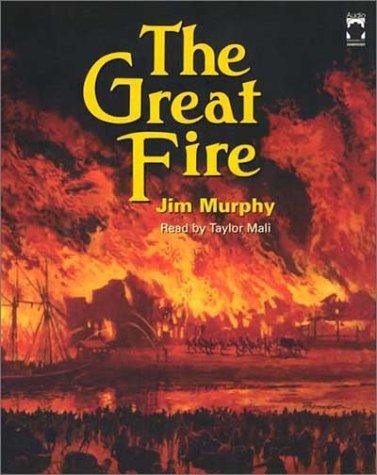
by Jim Murphy
Nonfiction · ages 9–12 · grades 4–7 · 800L
The gold standard for elementary history—Murphy weaves eyewitness accounts and period illustrations into a page-turner that teaches research method without feeling like a textbook.

by Jim Murphy
Nonfiction · ages 10–14 · grades 5–9 · 820L
Gripping, historically rigorous account that models how evidence overturns expert consensus—kids emerge understanding both the horror and the intellectual detective work of epidemiology.
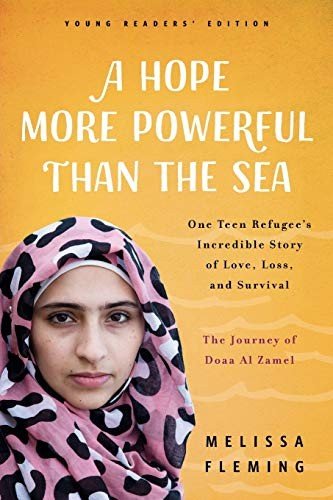
by Melissa Fleming
Nonfiction · ages 10–14 · grades 5–9 · 820L
Essential, age-appropriate introduction to the Syrian refugee crisis through a real teen's voice—unflinching about loss and fear, but anchored in Doaa's dignity and love for her family.
Complementing on courage
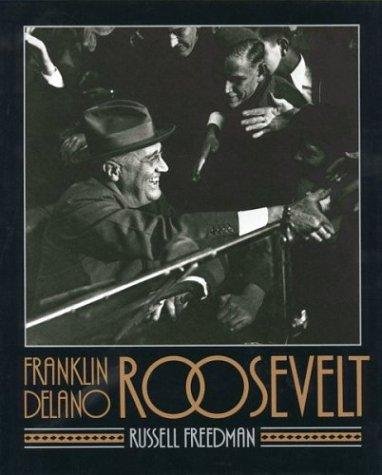
by Russell Freedman
Nonfiction · ages 9–12 · grades 4–7 · 820L
Freedman's accessible, photo-rich biography makes FDR's disability and determination feel immediate without sentimentality; kids grasp both the man and the era.
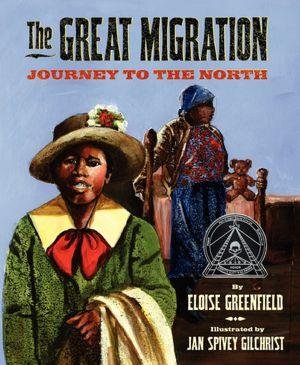
by Eloise Greenfield
Picture book · ages 6–9 · grades 1–4 · 620L
Eloise Greenfield's only children's book about the Great Migration—lyrical, historically grounded, and emotionally honest without being heavy; the illustrations anchor abstract history in real bodies and faces.
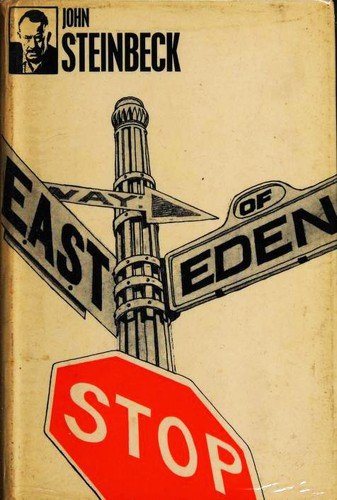
by John Steinbeck
Young adult · 1050L
The most philosophically rigorous American family saga; demands intellectual maturity but rewards it with a genuinely moral argument about choice and human nature that lands harder at 15–16 than at 12.
We'd skip — for now
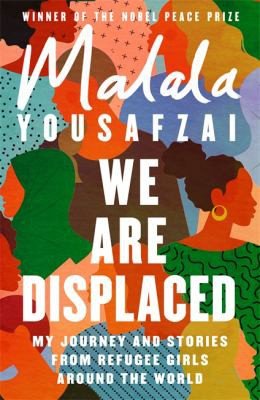
by Malala Yousafzai
A step up — ages 10–18 · grades 5–12
Skip it if your child has been traumatized by war or displacement themselves—the specificity and cumulative weight of these narratives can be retraumatizing rather than connective.
