For a reader who just finished
Books like The Book of Lost Things
after The Book of Lost Things by John Connolly · ages 10–14
Same style
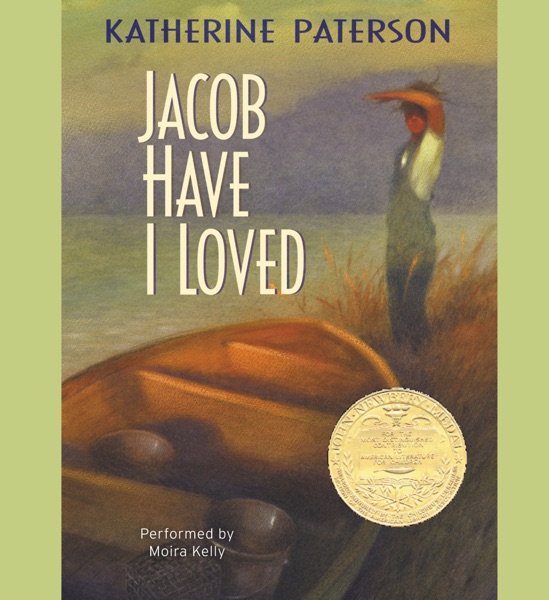
by Katherine Paterson
Middle grade · ages 10–14 · grades 5–9 · 820L
A Newbery winner that actually deserves it—Paterson writes sibling resentment and reconciliation with such honesty that kids recognize their own families, and the 1941 Chesapeake setting carries real historical weight without preaching.
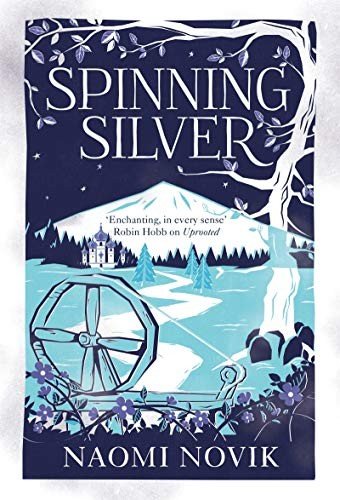
by Naomi Novik
Middle grade · ages 10–14 · grades 5–9 · 820L
A stunning, linguistically rich fantasy that treats cultural identity and girlhood seriously — Novik's best standalone, and kids who read it reread it.
by David Kherdian
Middle grade · ages 10–14 · grades 5–9 · 820L
A Newbery Honor book that treats the Armenian genocide with gravity and child-centered perspective; exceptionally well-written historical fiction that doesn't talk down or shy from real loss.
Stretch them up
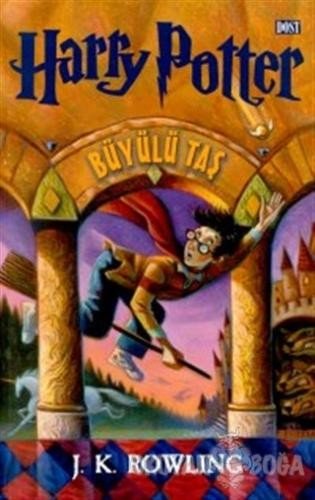
by J. K. Rowling
Middle grade · ages 9–12 · grades 4–7 · 880L
The book that redefined children's fiction — richly imagined world, genuine stakes, prose that respects young readers, and a protagonist's journey from isolation to belonging that doesn't feel saccharine.
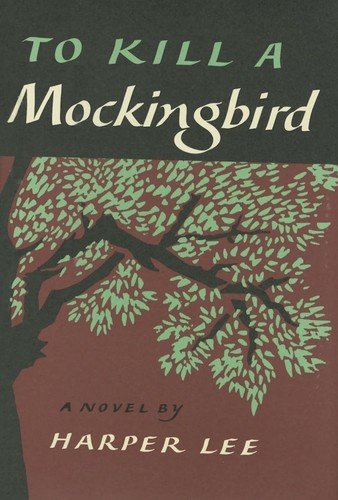
by Harper Lee
Middle grade · ages 10–14 · grades 5–9 · 870L
The most important American novel for this age—not because it's easy, but because Atticus's quiet model of conscience shapes how children think about justice and courage for decades.
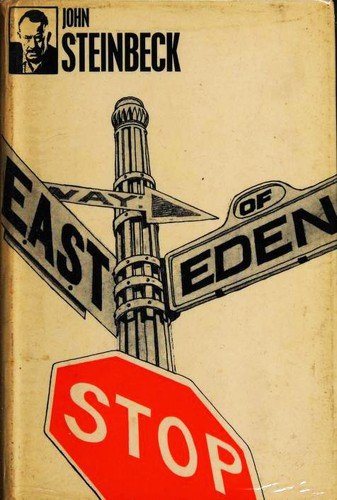
by John Steinbeck
Young adult · 1050L
The most philosophically rigorous American family saga; demands intellectual maturity but rewards it with a genuinely moral argument about choice and human nature that lands harder at 15–16 than at 12.
Complementing on a good life
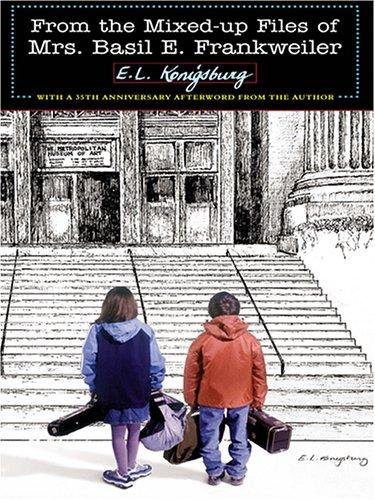
by E. L. Konigsburg
Middle grade · ages 8–12 · grades 3–7 · 790L
A book that trusts kids to be intellectually bored and emotionally complex—Claudia's runaway isn't melodrama, it's a quiet reckoning with identity that lands harder on rereads.
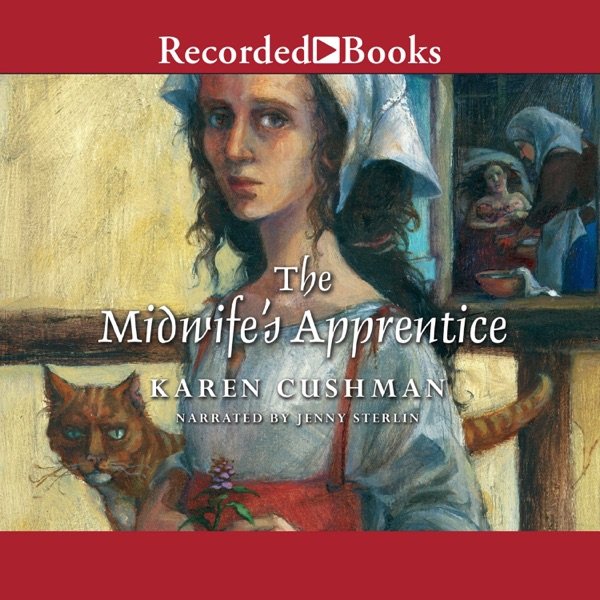
by Karen Cushman
Middle grade · ages 10–14 · grades 5–9 · 780L
A Newbery winner that earns it: a girl with no name becomes herself through honest work and adult recognition; the medieval setting and childbirth apprenticeship feel urgent and real, not decorative.
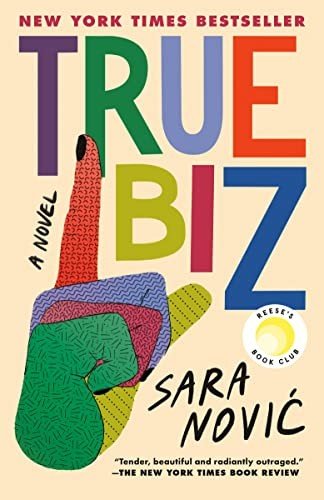
by Sara Nović
Middle grade · ages 10–14 · grades 5–9 · 820L
A genuinely original YA-crossover novel that treats Deaf culture as protagonist, not obstacle—kids learn to think in sign while wrestling with identity questions that feel urgent, not didactic.
We'd skip — for now
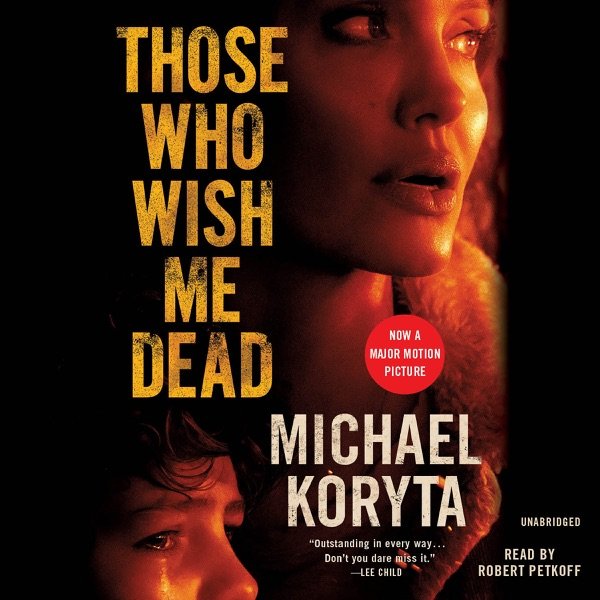
by Michael Koryta
A step up — ages 14–18 · grades 9–12
Skip it if your child is squeamish about injury or sustained threat; there are on-page deaths and real physical peril throughout.
