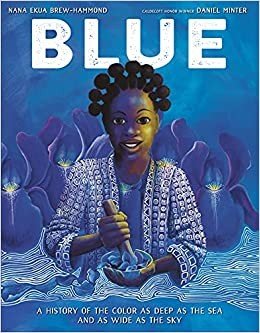
Blue
Picture book · ages 4–8 · grades K–3 · 550L · 2022
A lyrical and visually stunning way to teach cultural heritage without it feeling like a lecture; the 'blue' motif is clever enough for older kids but accessible for toddlers.
For a reader who just finished
after Tejanaland by Teresa Palomo Acosta · ages 4–8
Picture book · grades K–3 · 550L
A vibrant, essential introduction to Tejana identity that turns the border into a place of pride and connection rather than division.
Same style
Picture book · ages 4–8 · grades K–3 · 550L · 2022
A lyrical and visually stunning way to teach cultural heritage without it feeling like a lecture; the 'blue' motif is clever enough for older kids but accessible for toddlers.
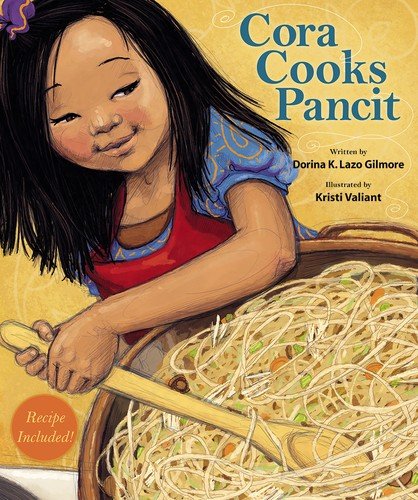
Picture book · ages 4–8 · grades K–3 · 520L · 2014
A genuinely warm kitchen-and-family story that centers Filipino culture without exoticizing it—the recipe is real, the dialogue is natural, and kids ask to help cook afterward.
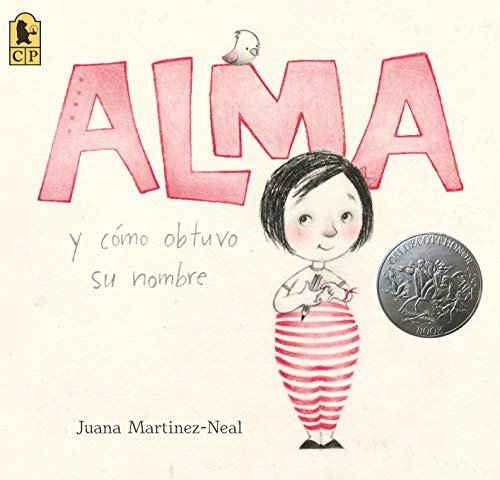
Picture book · ages 4–8 · grades K–3 · 570L · 2018
A genuinely moving name-origin story that makes kids want to ask their own parents about their names—and teaches that identity is a conversation with the past, not something you inherit passively.
Stretch them up
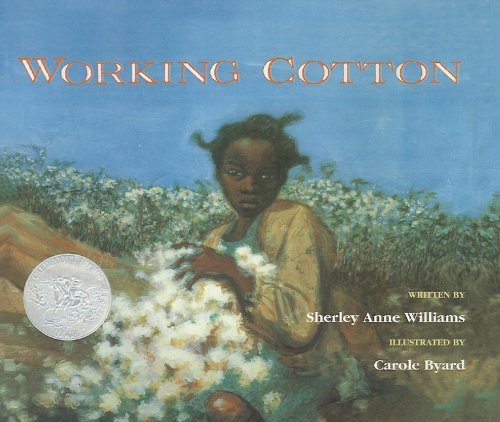
by Carole Byard
Picture book · ages 6–10 · grades 1–5 · 620L · 1997
Unflinching, lyrical, and told in the protagonist's own voice — this is the rare picture book that doesn't sentimentalize poverty but doesn't rob children of it either, and Carole Byard's collage art is extraordinary.

Picture book · ages 4–8 · grades K–3 · 650L · 1996
A picture book that works at 6 and deepens at 9—Ringgold's quilted illustrations and Cassie's dreaming of flight and ownership will stick with your kid for years, and the 1930s Harlem setting opens conversations about racism, class, and what freedom means.
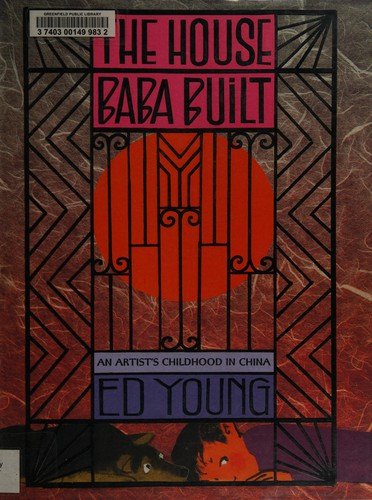
by Ed Young
Picture book · ages 4–8 · grades K–3 · 620L · 2011
A lyrical, elegantly illustrated memoir for young readers that treats childhood displacement and cultural identity with literary depth without condescension—the collage-style art is as much the story as the words.
Complementing on perspective taking
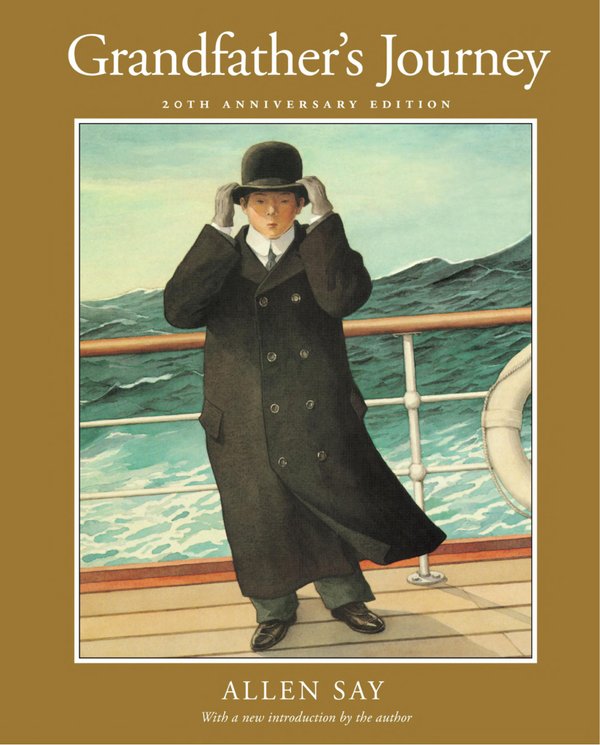
by Allen Say
Picture book · ages 4–8 · grades K–3 · 550L · 2013
A Caldecott winner that earns it—Say's watercolors and mirrored structure teach perspective-taking without sermon, and kids grasp the paradox of home better than most adults.
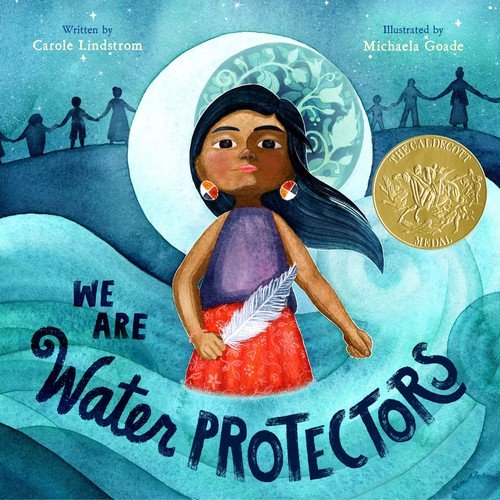
Picture book · ages 4–8 · grades K–3 · 2020
A stunning, unapologetic picture book that teaches kids water is alive and worth protecting; Michaela Goade's art transforms activism into something children feel in their bones.
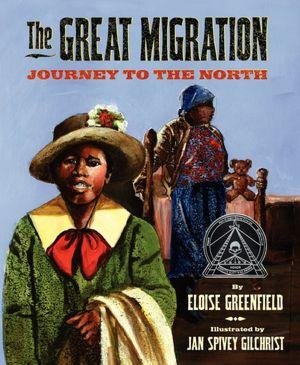
Picture book · ages 6–9 · grades 1–4 · 620L · 2011
Eloise Greenfield's only children's book about the Great Migration—lyrical, historically grounded, and emotionally honest without being heavy; the illustrations anchor abstract history in real bodies and faces.
We'd skip — for now
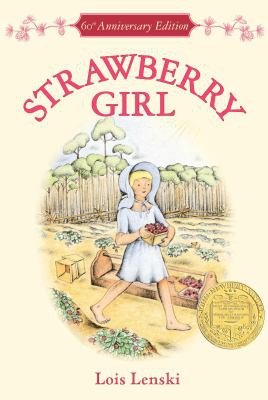
by Lois Lenski
A step up — ages 8–12 · grades 3–7
Skip it if your child finds slow-paced, landscape-focused narratives boring — there's little plot momentum, mostly sensory immersion in farm seasons.